
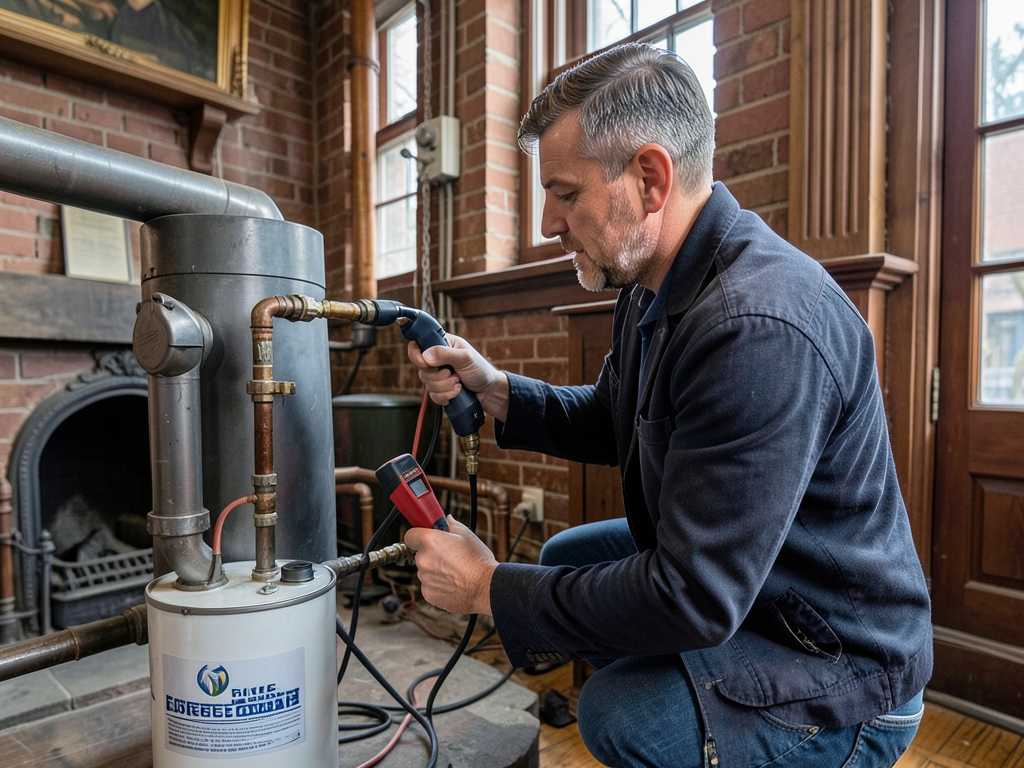
What to Expect During a Gas Line Inspection for Your Fireplace in Wesley Heights
Gas fireplace inspections in Wesley Heights require a methodical approach that combines safety protocols with local code compliance. Homeowners often schedule these inspections before winter or when preparing a property for sale. The process typically takes 60 to 90 minutes and involves multiple diagnostic steps that protect both your family and your investment.
During a professional inspection, a licensed plumber will examine every component of your gas fireplace system. This includes pressure testing the gas lines, checking the shut-off valve accessibility, and verifying that all venting meets current Washington DC building standards. The inspection also covers the pilot assembly, thermocouple function, and any sediment traps that prevent debris from entering the gas line. DC Department of Consumer and Regulatory Affairs.
Wesley Heights homes built before 1980 often contain original gas infrastructure that may not meet current safety standards. The neighborhood’s mix of historic and mid-century construction means inspectors must be familiar with various pipe materials and connection types. This local expertise ensures that your inspection addresses the specific vulnerabilities of your home’s construction era.
The inspection process begins with a visual assessment of the fireplace exterior and surrounding area. Technicians look for signs of corrosion, improper clearances, or modifications that could create safety hazards. They also check for the characteristic sulfur smell that indicates a gas leak, though specialized equipment provides more accurate detection than human senses alone.
Emergency Safety Protocol for Gas Leaks
If you suspect a gas leak during your inspection or at any other time, immediate action is critical. Gas leaks create serious fire and explosion hazards that require evacuation and professional intervention. The distinctive rotten egg odor added to natural gas helps with detection, but by the time you smell it, dangerous concentrations may already exist.
Upon detecting a gas odor, leave the building immediately without using any electrical devices, light switches, or phones inside. These actions can create sparks that ignite accumulated gas. Once outside at a safe distance, call 911 and Washington Gas at their emergency number. Do not return to the building until emergency responders declare it safe. Washington Gas emergency services.
Professional inspectors use combustible gas detectors that can identify leaks at concentrations as low as 10 parts per million. These handheld devices provide quantitative readings that help determine the severity of any issues found. The technology has evolved significantly since the early 2000s, with modern sensors offering greater accuracy and faster response times.
Washington Gas maintains emergency response teams throughout the District of Columbia, including dedicated units for the Wesley Heights area. Their response time averages 20 to 30 minutes during peak hours, though this can extend during major weather events or system-wide emergencies. Having their emergency number readily available provides peace of mind for homeowners with gas appliances. Who to Call When You Need an Emergency Plumber in Georgetown Right Away.
DC Building Code Requirements for Gas Fireplaces
The District of Columbia has adopted the International Fuel Gas Code (IFGC) with local amendments that govern gas fireplace installations and inspections. These regulations require specific clearances, venting configurations, and safety devices that protect occupants from carbon monoxide and other hazards. Compliance with these codes is mandatory for both new installations and existing systems undergoing modification.
DC Municipal Regulations (DCMR) Title 12E, Chapter 31 outlines the specific requirements for gas piping systems. The code mandates that all gas lines be pressure tested at 1.5 times the working pressure for a minimum of 15 minutes without pressure drop. This testing must be documented and available for inspection by the Department of Buildings.
Wesley Heights falls within DC Water’s service area, which means all gas line installations must comply with both gas code requirements and local water authority standards. This dual compliance ensures that gas lines do not interfere with water mains or create cross-connection hazards. The proximity to the Potomac River also influences soil conditions that affect underground gas line installation.
Carbon monoxide detectors are required in all DC homes with gas appliances, including fireplaces. The code specifies placement within 15 feet of sleeping areas and on every level of the home. Inspectors verify that these detectors are properly installed, functioning, and within their expiration dates, typically five to seven years from manufacture.
Our 10-Point Gas Line Inspection Process
A comprehensive gas line inspection follows a systematic approach that examines every safety-critical component. This process begins with documentation of the existing system and ends with a detailed report of findings and recommendations. Each step builds upon the previous one to create a complete picture of system health.
The first step involves shutting off the gas supply and depressurizing the lines. This allows safe access to all components without risk of gas release. Technicians then visually inspect all accessible piping for corrosion, damage, or improper support. They pay particular attention to areas where pipes pass through walls or floors, as these are common failure points. Common Plumbing Problems in Historic Capitol Hill Rowhouses (and How We Fix Them).
Pressure testing follows the visual inspection. Using a calibrated manometer, technicians pressurize the system with air or nitrogen to the required test pressure. They monitor the gauge for at least 15 minutes, watching for any pressure drop that would indicate a leak. Even small leaks that don’t produce an odor can pose long-term safety risks.
The shut-off valve assessment examines accessibility, functionality, and proper labeling. DC code requires that gas shut-off valves be easily accessible and clearly marked. Technicians test the valve operation to ensure it can completely stop gas flow when needed. They also verify that the valve is the correct type for the pipe material and application.
Pilot light and thermocouple inspection focuses on proper flame characteristics and safety shutdown capability. The pilot flame should be blue with a well-defined inner cone. Technicians measure flame temperature and verify that the thermocouple generates sufficient voltage to keep the gas valve open when heated. This prevents gas flow if the pilot light extinguishes.
Vent clearance verification ensures that all combustion byproducts can safely exit the building. This includes checking vent pipe integrity, proper slope for condensate drainage, and clearances from combustible materials. In Wesley Heights’ older homes, original venting may not meet current standards, requiring modification or replacement. Safely Installing New Gas Lines for Your DC Kitchen Remodel.
Gas line material identification helps determine remaining service life and code compliance. Older homes may contain black iron pipe, copper tubing, or even galvanized steel. Each material has different corrosion characteristics and code requirements. Modern installations typically use CSST (Corrugated Stainless Steel Tubing) or approved plastic piping for underground applications.
Sediment trap examination ensures that debris cannot enter gas controls and cause malfunction. These traps must be installed in the correct orientation and location to function properly. Technicians clean any accumulated sediment and verify that the trap meets code requirements for size and installation.
Appliance connection inspection verifies that all gas appliances are properly connected to the distribution system. This includes checking flexible connector integrity, proper fitting tightness, and appropriate appliance shut-off valves. Each connection point represents a potential leak location that requires careful examination.
Final documentation provides a complete record of the inspection findings, including pressure test results, any deficiencies found, and recommendations for remediation. This documentation serves multiple purposes, from insurance requirements to real estate transactions and future maintenance planning.
Real Estate Transaction Requirements in DC
Gas fireplace inspections play a crucial role in Washington DC real estate transactions. Home buyers often include inspection contingencies that require professional evaluation of all gas systems before closing. These inspections protect buyers from inheriting safety hazards and ensure that systems meet current code requirements.
The DC Department of Consumer and Regulatory Affairs (DCRA) maintains specific requirements for gas system inspections during property transfers. Sellers must disclose known gas system issues, and buyers have the right to independent verification of system safety. Failure to address identified issues can delay or prevent property transfers. Emergency Sump Pump Failure.
Wesley Heights’ historic district status adds another layer of complexity to gas system modifications. The Old Georgetown Board reviews exterior changes, including gas line routing and venting configurations. Inspectors must balance modern safety requirements with preservation guidelines, often requiring creative solutions that satisfy both sets of requirements.
Insurance companies frequently require documentation of gas system inspections for coverage approval. Some policies may exclude coverage for gas-related incidents if proper maintenance and inspection records are not available. This documentation becomes particularly important for older homes where system age raises coverage concerns.
Property appraisers consider the condition of gas systems when determining home values. Well-maintained, code-compliant systems can positively impact appraisals, while outdated or unsafe systems may reduce property values. The cost of bringing systems up to current standards should be factored into purchase negotiations.
Signs You Need a Gas Line Inspection
Several warning signs indicate the need for immediate gas line inspection. The most obvious is the smell of gas, which requires emergency response regardless of other factors. Other signs include yellow or flickering pilot lights, soot accumulation around the fireplace, or unusual sounds from gas appliances.
Physical symptoms in occupants can also indicate gas system problems. Headaches, dizziness, nausea, or fatigue that improve when leaving the home may suggest carbon monoxide exposure. These symptoms require immediate evacuation and professional inspection, as carbon monoxide is odorless and potentially fatal.
Age is another critical factor in determining inspection needs. Gas lines and appliances have typical service lives, with many components requiring replacement after 15 to 20 years. Homes in Wesley Heights often contain original gas infrastructure from the 1950s or earlier, making regular inspection essential for safety.
Recent home modifications can compromise gas system integrity. Adding new appliances, finishing basements, or making structural changes may affect gas line routing or create new hazards. Any modification to a home with gas systems should trigger a comprehensive inspection of the affected areas. Don’t Let Your Basement Flood—Expert Sump Pump Repair and Maintenance in Northwest DC.
Seasonal changes can also impact gas system performance. Temperature fluctuations cause pipe expansion and contraction, potentially loosening connections over time. The freeze-thaw cycles common in Washington DC winters can be particularly hard on outdoor gas lines and connections.
Frequency and Maintenance Recommendations
Annual gas line inspections provide the best protection against system failures and safety hazards. This frequency allows technicians to identify developing issues before they become emergencies. Many homeowners schedule inspections in early fall, before the heating season begins, ensuring systems are ready for winter use.
High-use fireplaces may require more frequent inspection. Units that operate daily throughout the winter season experience more wear than those used occasionally. The additional stress on components like thermocouples and gas valves can accelerate deterioration, making biannual inspection advisable for heavy-use systems.
Professional cleaning should accompany inspections every few years, depending on usage patterns. Soot and debris accumulation can affect system efficiency and create fire hazards. Cleaning also provides an opportunity to inspect internal components that may not be visible during standard pressure testing.
DIY maintenance between professional inspections includes keeping the area around the fireplace clear of combustible materials, testing carbon monoxide detectors monthly, and watching for changes in system performance. However, these tasks complement rather than replace professional inspection services.
Documentation of all inspections and maintenance creates a valuable record for future reference. This documentation helps track system age, identify recurring issues, and provide proof of proper maintenance for insurance or real estate purposes. Many homeowners keep digital records that include photos and test results from each inspection.
Common Issues Found in Wesley Heights Homes
Wesley Heights’ diverse housing stock presents unique inspection challenges. Many homes built between 1930 and 1960 contain galvanized steel gas lines that corrode from the inside out. This internal corrosion is not visible during visual inspection and requires pressure testing to detect. These pipes often fail between 40 and 60 years of age.
CSST (Corrugated Stainless Steel Tubing) installation issues are common in homes built after 1990. This flexible tubing simplifies installation but requires proper bonding to prevent damage from electrical surges. Many older CSST installations lack the bonding required by current code, creating a safety hazard that inspectors must identify and correct.
Improper venting is another frequent issue in Wesley Heights’ historic homes. Original venting may not meet current code requirements for clearance or materials. Inspectors often find vent pipes that terminate too close to windows, roof vents, or other openings, potentially allowing combustion gases to re-enter the home.
Gas meter location problems affect many older DC homes. Meters installed inside basements or closets create safety hazards and code violations. Current code requires meters to be outdoors in accessible locations. Relocating meters involves coordination with Washington Gas and often requires permits from the Department of Buildings.
Appliance compatibility issues arise when homeowners upgrade fireplaces without considering gas supply adequacy. Modern high-efficiency units often require different gas pressures or volumes than older models. Inspectors must verify that existing gas lines can support new appliances or recommend upgrades when necessary.
Cost Factors for Gas Line Inspections
Gas line inspection costs vary based on several factors specific to each property. The size and complexity of the gas system significantly impact inspection time and cost. A simple fireplace inspection might take 60 minutes, while a whole-house inspection with multiple appliances could require several hours.
Accessibility affects inspection costs in older Wesley Heights homes. Finished basements, finished ceilings, and finished walls can limit access to gas lines, requiring additional time to inspect accessible portions or recommend demolition for complete evaluation. Some homeowners choose partial inspections to manage costs, though this may miss hidden issues.
Permit requirements can add to inspection costs in certain situations. If the inspection reveals code violations requiring correction, permits may be necessary for repairs. The permit process involves additional fees and inspection scheduling, extending the overall timeline and cost of bringing systems into compliance.
Emergency inspections typically cost more than scheduled appointments. After-hours calls, weekend service, or immediate response to suspected gas leaks all command premium rates. However, the safety benefits often justify the additional cost, particularly when dealing with potential gas hazards.
Preventive inspections generally cost less than emergency repairs. Identifying and addressing issues during routine inspection prevents the more expensive emergency service calls that often occur when systems fail unexpectedly. Many homeowners find that annual inspection contracts provide cost savings compared to individual service calls.
Choosing a Qualified Inspector
Gas line inspection requires specific qualifications and experience that not all plumbers possess. In Washington DC, gas work must be performed by licensed Master Plumbers with gas fitting endorsements. These licenses require extensive training, testing, and continuing education to maintain.
Certification from the National Fireplace Institute (NFI) provides additional assurance of inspector competence. NFI certification requires passing rigorous exams covering gas fireplace installation, maintenance, and safety. Inspectors with both plumbing licenses and NFI certification offer the highest level of expertise for gas fireplace systems.
Local experience matters significantly in Wesley Heights. Inspectors familiar with the neighborhood’s housing stock understand the common issues and construction methods found in local homes. This experience allows them to work efficiently and identify problems that might be missed by inspectors unfamiliar with the area.
Insurance and bonding provide protection for both the inspector and the homeowner. Professional liability insurance covers errors or omissions during inspection, while workers’ compensation protects homeowners if workers are injured on their property. Always verify that your chosen inspector carries appropriate insurance coverage.
References and reviews offer insight into inspector reliability and quality. Look for consistent positive feedback regarding thoroughness, professionalism, and communication. Be wary of inspectors who consistently receive complaints about missed issues or incomplete work, as gas safety requires meticulous attention to detail.
Frequently Asked Questions
How long does a gas line inspection take?
A typical gas line inspection for a single fireplace takes 60 to 90 minutes. The exact time depends on system complexity, accessibility, and whether any issues are discovered that require further investigation. Whole-house inspections with multiple gas appliances may take several hours.
What does a gas line inspection cost?
Gas line inspection costs typically range from $150 to $400, depending on the scope of work and property characteristics. Simple fireplace inspections cost less than comprehensive whole-house evaluations. Emergency or after-hours service commands premium rates.
Is a permit required for gas line inspection?
Permits are not required for visual inspections or pressure testing. However, if the inspection reveals code violations requiring repair, permits may be necessary for the correction work. Your inspector can advise you on specific permit requirements for any needed repairs.
Can I perform my own gas line inspection?
DIY gas line inspection is not recommended due to safety risks and the specialized equipment required. Professional inspectors use combustible gas detectors, manometers, and other tools that are not available to consumers. Improper inspection could miss dangerous conditions or create new hazards.
What happens if the inspection finds a problem?
If problems are found, your inspector will provide a detailed report with recommended corrections. Minor issues might be corrected immediately if the technician has the necessary parts and tools. Major issues typically require a separate repair visit with proper permits and scheduling.
Conclusion
Gas line inspections provide essential protection for Wesley Heights homeowners, ensuring that fireplace systems operate safely and efficiently. The combination of local building codes, aging housing stock, and Washington DC’s specific climate conditions makes professional inspection a wise investment for any home with gas appliances.
Don’t wait for emergency situations to discover gas system problems. Annual inspections identify issues before they become hazards, potentially saving lives and preventing costly property damage. The peace of mind that comes from knowing your gas systems are safe and compliant is invaluable for homeowners and their families.
Ready to schedule your gas line inspection? Call (771) 223-8111 today to speak with a licensed Master Plumber about protecting your Wesley Heights home. Our experienced technicians understand the unique requirements of DC gas systems and provide thorough, professional inspections that give you confidence in your fireplace safety.
Pick up the phone and call (771) 223-8111 before the next storm hits. Don’t let winter weather catch you with an unsafe or inefficient gas fireplace. Our team is standing by to provide the expert inspection and maintenance your home deserves.
{
“@context”: “https://schema.org”,
“@type”: “BlogPosting”,
“headline”: “What to Expect During a Gas Line Inspection for Your Fireplace in Wesley Heights”,
“description”: “Get expert gas fireplace inspection in Wesley Heights. Learn what DC Master Plumbers check for safety, code compliance, and how to protect your home this winter.”,
“wordCount”: 3044,
“datePublished”: “2026-05-11T06:44:00.000Z”,
“dateModified”: “2026-05-11T06:44:00.000Z”,
“inLanguage”: “en-US”,
“mainEntityOfPage”: {
“@type”: “WebPage”,
“@id”: “https://crestlineplumbingwashingtondc.com”
},
“publisher”: {
“@type”: “LocalBusiness”,
“name”: “Crestline Plumbing Washington DC”,
“url”: “https://crestlineplumbingwashingtondc.com”
},
“author”: {
“@type”: “Organization”,
“name”: “Crestline Plumbing Washington DC”,
“url”: “https://crestlineplumbingwashingtondc.com”
},
“image”: {
“@type”: “ImageObject”,
“url”: “https://crestlineplumbingwashingtondc.com/wp-content/uploads/2026/03/what-to-expect-during-a-gas-line-inspection-for-yo-1.png”
}
}
{
“@context”: “https://schema.org”,
“@type”: “Plumber”,
“name”: “Crestline Plumbing Washington DC”,
“url”: “https://crestlineplumbingwashingtondc.com”,
“address”: {
“@type”: “PostalAddress”,
“addressLocality”: “Washington DC”
},
“areaServed”: {
“@type”: “City”,
“name”: “Washington DC”
}
}
{
“@context”: “https://schema.org”,
“@type”: “FAQPage”,
“mainEntity”: [
{
“@type”: “Question”,
“name”: “How long does a gas line inspection take?”,
“acceptedAnswer”: {
“@type”: “Answer”,
“text”: “A typical gas line inspection for a single fireplace takes 60 to 90 minutes. The exact time depends on system complexity, accessibility, and whether any issues are discovered that require further investigation. Whole-house inspections with multiple gas appliances may take several hours.”
}
},
{
“@type”: “Question”,
“name”: “What does a gas line inspection cost?”,
“acceptedAnswer”: {
“@type”: “Answer”,
“text”: “Gas line inspection costs typically range from $150 to $400, depending on the scope of work and property characteristics. Simple fireplace inspections cost less than comprehensive whole-house evaluations. Emergency or after-hours service commands premium rates.”
}
},
{
“@type”: “Question”,
“name”: “Is a permit required for gas line inspection?”,
“acceptedAnswer”: {
“@type”: “Answer”,
“text”: “Permits are not required for visual inspections or pressure testing. However, if the inspection reveals code violations requiring repair, permits may be necessary for the correction work. Your inspector can advise you on specific permit requirements for any needed repairs.”
}
},
{
“@type”: “Question”,
“name”: “Can I perform my own gas line inspection?”,
“acceptedAnswer”: {
“@type”: “Answer”,
“text”: “DIY gas line inspection is not recommended due to safety risks and the specialized equipment required. Professional inspectors use combustible gas detectors, manometers, and other tools that are not available to consumers. Improper inspection could miss dangerous conditions or create new hazards.”
}
},
{
“@type”: “Question”,
“name”: “What happens if the inspection finds a problem?”,
“acceptedAnswer”: {
“@type”: “Answer”,
“text”: “If problems are found, your inspector will provide a detailed report with recommended corrections. Minor issues might be corrected immediately if the technician has the necessary parts and tools. Major issues typically require a separate repair visit with proper permits and scheduling.”
}
}
]
}
{
“@context”: “https://schema.org”,
“@type”: “BreadcrumbList”,
“itemListElement”: [
{
“@type”: “ListItem”,
“position”: 1,
“name”: “Home”,
“item”: “https://crestlineplumbingwashingtondc.com”
},
{
“@type”: “ListItem”,
“position”: 2,
“name”: “Blog”,
“item”: “https://crestlineplumbingwashingtondc.com/blog”
},
{
“@type”: “ListItem”,
“position”: 3,
“name”: “What to Expect During a Gas Line Inspection for Your Fireplace in Wesley Heights”
}
]
}
{
“@context”: “https://schema.org”,
“@type”: “Service”,
“serviceType”: “Plumbing”,
“provider”: {
“@type”: “LocalBusiness”,
“name”: “Crestline Plumbing Washington DC”,
“url”: “https://crestlineplumbingwashingtondc.com”
},
“areaServed”: {
“@type”: “City”,
“name”: “Washington DC”
},
“description”: “Get expert gas fireplace inspection in Wesley Heights. Learn what DC Master Plumbers check for safety, code compliance, and how to protect your home this winter.”
}