
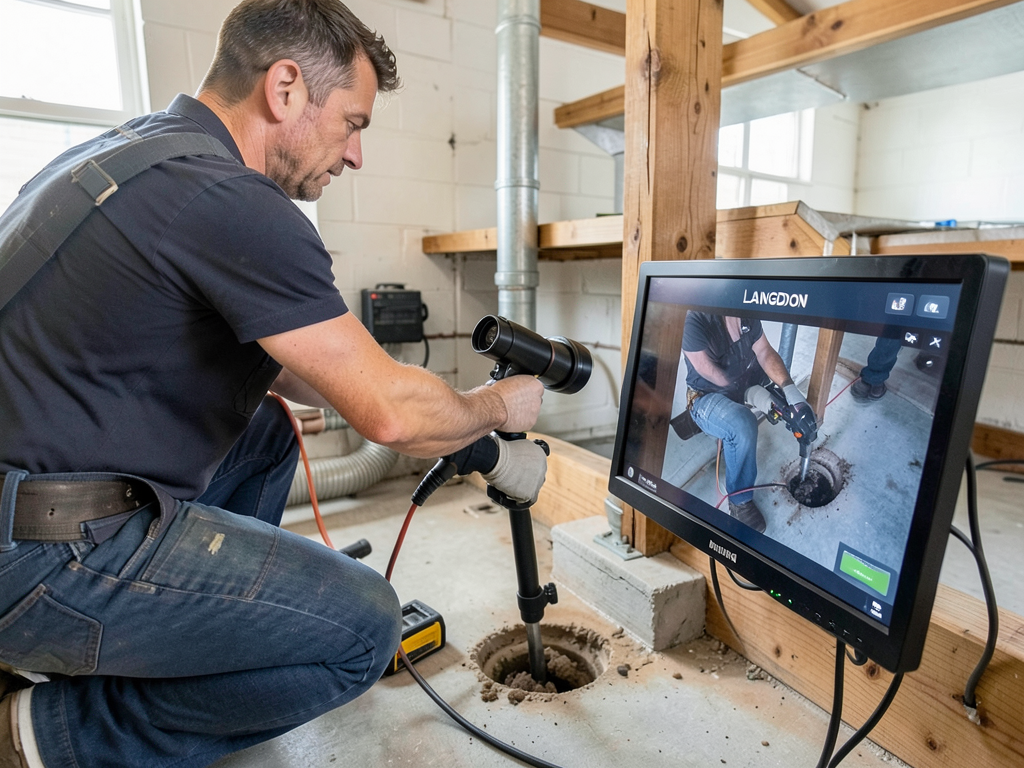
Stopping Sewer Gas from Entering Your Basement Through the Floor Drain in Langdon
That foul odor wafting up from your basement floor drain is more than just unpleasant. It signals sewer gas seeping into your home. In Langdon’s older homes this problem happens often because of dried-out traps clogged vents or damaged sewer lines. The smell of rotten eggs or sewage means hydrogen sulfide and methane are present. These gases create both health hazards and potential fire risks. Don’t Let Your Basement Flood—Expert Sump Pump Repair and Maintenance in Northwest DC.
The good news is many floor drain odors can be fixed quickly with the right diagnosis. Whether it is a simple dry trap that needs priming or a more serious sewer line issue understanding what is happening under your basement floor is the first step to eliminating that smell for good.. Read more about Preventing Basement Flooding with Underground Downspout Extensions in Eastland Gardens.
Why Langdon Homes Are Prone to Floor Drain Sewer Smells
Langdon’s historic character comes with aging infrastructure challenges. Many homes in this Northeast DC neighborhood were built before 1950 with clay sewer pipes that crack over time. The area’s clay soil and high water table create additional pressure on basement drainage systems. During heavy rains the combined sewer system can back up pushing gases through floor drains that lack proper backwater valves. DC Water’s Lateral Line Insurance Program.
DC Water’s aging infrastructure affects neighborhoods like Langdon disproportionately. The sewer laterals connecting your home to the main line are your responsibility. In older areas these pipes often deteriorate from tree root intrusion or ground shifting. The result is a perfect storm for sewer gas infiltration through floor drains. DC Water’s Clean Rivers Project.
The 4 Most Common Causes of Basement Floor Drain Odors
Understanding what is causing your basement to smell like sewage helps you choose the right fix. Here are the four culprits we see most often in Langdon homes:
- Dried Out P-Trap
The U-shaped pipe under your floor drain holds water to block sewer gases. When unused for weeks the water evaporates breaking the seal. This is the #1 cause of basement sewer smells. Emergency Water Shut-Off Service.
- Clogged Vent Stacks
Roof vents allow sewer gases to escape. Leaves bird nests or debris can block these vents forcing gases back through your floor drain instead.
- Damaged Sewer Lines
Cracked clay pipes from tree roots or ground settling let gases escape before reaching the main sewer. You might hear gurgling sounds when flushing toilets.
- Failed Backwater Valves
These one-way valves prevent sewage backup during heavy rain. When they fail contaminated water and gases can enter through floor drains.
DIY Troubleshooting How to Stop the Smell in 5 Minutes
Before calling a professional try these quick fixes to eliminate floor drain odors. Many Langdon homeowners solve the problem with simple maintenance.
- Prime the P-Trap
Pour 2 to 3 gallons of water down the floor drain to refill the trap. Add a tablespoon of mineral oil to slow evaporation if the drain is not used often.
- Baking Soda and Vinegar Flush
Pour 1/2 cup baking soda down the drain followed by 1 cup white vinegar. Let it fizz for 15 minutes then flush with hot water. This removes biofilm buildup.
- Check the Vent Stack
Inspect your roof vent for visible blockages. Never climb on a wet or icy roof. If you see debris clear it carefully or call a professional.
- Clean the Drain Grate
Remove the floor drain cover and clean out any debris hair or buildup around the edges where biofilm collects.
If these steps do not eliminate the odor within 24 hours you likely have a more serious issue requiring professional diagnosis.
When the Smell Signals a Serious Problem The ‘Call a Pro’ Checklist
Some basement sewer smells indicate dangerous conditions that need immediate professional attention. Here is when to stop troubleshooting and call (771) 223-8111:
- You smell persistent sewage even after priming the trap
- You hear gurgling sounds from multiple drains when using plumbing fixtures
- You notice water backing up during heavy rain or when flushing toilets
- The smell intensifies near your main sewer line cleanout
- You see sewage or black water around the floor drain
These symptoms suggest cracked sewer lines main line blockages or failed backwater valves. In Langdon’s older homes tree roots commonly infiltrate clay pipes creating cracks that let gases escape. A sewer camera inspection can identify these problems without destructive digging. Common Plumbing Problems in Historic Capitol Hill Rowhouses (and How We Fix Them).
Washington DC Specific Plumbing Challenges
DC’s unique infrastructure creates specific challenges for Langdon homeowners. The city’s combined sewer system means stormwater and sewage share the same pipes increasing backup risks during heavy rain events.
According to DC Water’s Clean Rivers Project the Anacostia River Tunnel System aims to reduce combined sewer overflows but many older neighborhoods still experience pressure surges during storms. These surges can force gases back through floor drains lacking proper protection.
DC Building Code Section 30 requires floor drains in basements to have proper venting and traps. However many pre-1950 homes were built before these standards leaving them vulnerable to sewer gas infiltration. The code also mandates backwater valves in flood-prone areas though enforcement varies by neighborhood age.
Langdon’s mature tree canopy while beautiful contributes to plumbing problems. Tree roots seek moisture and can penetrate clay sewer pipes through tiny cracks growing larger over time and causing blockages that trap gases. Plumbing Bowie.
Safety First Understanding Sewer Gas Risks
Sewer gas is not just smelly it is dangerous. Hydrogen sulfide the compound causing that rotten egg odor becomes toxic at concentrations above 100 parts per million. At lower levels it causes headaches dizziness and nausea.
Methane another component of sewer gas is highly flammable. Concentrations above 5% in enclosed spaces create explosion hazards. The gas is also an asphyxiant displacing oxygen in poorly ventilated basements.
According to the CDC prolonged exposure to sewer gas can cause respiratory problems eye irritation and in severe cases loss of consciousness. If you experience these symptoms along with sewer odors evacuate the area and call for professional help immediately. CDC information on hydrogen sulfide exposure.
Professional Solutions for Persistent Floor Drain Odors
When DIY fixes fail professional intervention becomes necessary. Here are the solutions we provide for Langdon homeowners:
- Sewer Camera Inspection
We insert a waterproof camera into your sewer line to identify cracks blockages or root intrusion. This diagnostic tool pinpoints problems without destructive digging.
- Hydro-jetting
High-pressure water cleaning removes years of buildup grease and roots from your sewer lines. This often resolves odor issues caused by partial blockages.
- Backwater Valve Installation
We install one-way valves that prevent sewage and gases from backing up through floor drains during heavy rain or main line blockages.
- Pipe Lining or Replacement
For severely damaged clay pipes we offer trenchless pipe lining or traditional replacement to eliminate cracks and root intrusion.
The average cost for professional floor drain odor elimination ranges from $300 to $2500 depending on the underlying cause. Camera inspections typically cost $250 to $400 and can prevent unnecessary repairs by accurately diagnosing the problem.
Prevention Tips for Langdon Homeowners
Once you have eliminated the odor prevent it from returning with these maintenance practices:
- Prime floor drain traps monthly by pouring 2 to 3 gallons of water down the drain
- Install a trap primer device that automatically adds water when the trap level drops
- Schedule annual sewer line inspections if your home is over 50 years old
- Keep roof vents clear of leaves and debris
- Consider installing a backwater valve if your basement has flooded before
For homes with persistent moisture issues a dehumidifier can help prevent the conditions that promote biofilm growth in drains. Keep basement humidity below 60% to discourage bacterial growth.
DC Water Responsibilities vs Homeowner Responsibilities
Understanding who is responsible for what can save you money and frustration. DC Water maintains the main sewer lines in public right-of-ways but homeowners are responsible for the sewer lateral from their property line to their home.
If the problem is in the main line under the street DC Water will repair it at no cost to you. However if the issue is in your lateral line or within your property you are responsible for repairs.
DC Water offers a Lateral Line Insurance Program for eligible homeowners covering up to $4000 for lateral line repairs. Check their website for current eligibility requirements and enrollment periods.
Frequently Asked Questions
Is sewer gas dangerous to my health?
Yes. Sewer gas contains hydrogen sulfide and methane which can cause respiratory problems headaches and in high concentrations can be fatal. The rotten egg smell indicates hydrogen sulfide presence which becomes toxic above 100 parts per million.
How often should I clean my floor drain?
Clean your floor drain grates monthly and flush with water every 2 to 3 months. If the drain is not used regularly pour water down it weekly to maintain the trap seal.
Will DC Water fix my sewer line if it is broken?
DC Water only repairs main sewer lines in public right-of-ways. Your sewer lateral from the property line to your home is your responsibility. However they offer a lateral line insurance program for eligible homeowners.
What is the difference between snaking and hydro-jetting?
Snaking uses a cable to break through blockages while hydro-jetting uses high-pressure water to clean pipe walls thoroughly. Hydro-jetting is more effective for removing roots and grease buildup that cause recurring odors.
How can I tell if tree roots are causing my sewer problems?
Symptoms include recurring clogs slow drains gurgling sounds and floor drain odors that return after cleaning. A sewer camera inspection can confirm root intrusion and show exactly where it is occurring.
Don’t Wait Until It’s Too Late
That sewer smell in your Langdon basement is not just a nuisance it is your home telling you something is wrong. Whether it is a simple dry trap or a serious sewer line issue ignoring the problem can lead to costly water damage health hazards and even structural problems.
Most floor drain odor issues can be diagnosed and resolved within a day often for less than you might expect. The key is catching problems early before they escalate into emergencies.
Pick up the phone and call (771) 223-8111 today to schedule your inspection. Our licensed plumbers serve Langdon and all of Northeast DC with fast reliable service. Don’t let that smell linger your family’s health and your home’s integrity depend on it. Who to Call When You Need an Emergency Plumber in Georgetown Right Away.
You may also find this helpful. Preparing Your Riggs Park Home for Sale with a Pre-Listing Plumbing Inspection.
You may also find this helpful. Properly Routing Your Sump Pump Discharge to Prevent Foundation Issues in Barnaby Woods.
{
“@context”: “https://schema.org”,
“@type”: “BlogPosting”,
“headline”: “Stopping Sewer Gas from Entering Your Basement Through the Floor Drain in Langdon”,
“description”: “Eliminate sewer gas odors from your Langdon basement floor drain with proven solutions for DC’s historic homes and aging infrastructure.”,
“wordCount”: 1759,
“datePublished”: “2026-05-10T08:29:00.000Z”,
“dateModified”: “2026-05-10T08:29:00.000Z”,
“inLanguage”: “en-US”,
“mainEntityOfPage”: {
“@type”: “WebPage”,
“@id”: “https://crestlineplumbingwashingtondc.com”
},
“publisher”: {
“@type”: “LocalBusiness”,
“name”: “Crestline Plumbing Washington DC”,
“url”: “https://crestlineplumbingwashingtondc.com”
},
“author”: {
“@type”: “Organization”,
“name”: “Crestline Plumbing Washington DC”,
“url”: “https://crestlineplumbingwashingtondc.com”
},
“image”: {
“@type”: “ImageObject”,
“url”: “https://crestlineplumbingwashingtondc.com/wp-content/uploads/2026/03/stopping-sewer-gas-from-entering-your-basement-thr-1.png”
}
}
{
“@context”: “https://schema.org”,
“@type”: “Plumber”,
“name”: “Crestline Plumbing Washington DC”,
“url”: “https://crestlineplumbingwashingtondc.com”,
“address”: {
“@type”: “PostalAddress”,
“addressLocality”: “Washington DC”
},
“areaServed”: {
“@type”: “City”,
“name”: “Washington DC”
}
}
{
“@context”: “https://schema.org”,
“@type”: “FAQPage”,
“mainEntity”: [
{
“@type”: “Question”,
“name”: “Is sewer gas dangerous to my health?”,
“acceptedAnswer”: {
“@type”: “Answer”,
“text”: “Yes. Sewer gas contains hydrogen sulfide and methane which can cause respiratory problems headaches and in high concentrations can be fatal. The rotten egg smell indicates hydrogen sulfide presence which becomes toxic above 100 parts per million.”
}
},
{
“@type”: “Question”,
“name”: “How often should I clean my floor drain?”,
“acceptedAnswer”: {
“@type”: “Answer”,
“text”: “Clean your floor drain grates monthly and flush with water every 2 to 3 months. If the drain is not used regularly pour water down it weekly to maintain the trap seal.”
}
},
{
“@type”: “Question”,
“name”: “Will DC Water fix my sewer line if it is broken?”,
“acceptedAnswer”: {
“@type”: “Answer”,
“text”: “DC Water only repairs main sewer lines in public right-of-ways. Your sewer lateral from the property line to your home is your responsibility. However they offer a lateral line insurance program for eligible homeowners.”
}
},
{
“@type”: “Question”,
“name”: “What is the difference between snaking and hydro-jetting?”,
“acceptedAnswer”: {
“@type”: “Answer”,
“text”: “Snaking uses a cable to break through blockages while hydro-jetting uses high-pressure water to clean pipe walls thoroughly. Hydro-jetting is more effective for removing roots and grease buildup that cause recurring odors.”
}
},
{
“@type”: “Question”,
“name”: “How can I tell if tree roots are causing my sewer problems?”,
“acceptedAnswer”: {
“@type”: “Answer”,
“text”: “Symptoms include recurring clogs slow drains gurgling sounds and floor drain odors that return after cleaning. A sewer camera inspection can confirm root intrusion and show exactly where it is occurring.”
}
}
]
}
{
“@context”: “https://schema.org”,
“@type”: “HowTo”,
“name”: “Common Causes of Floor Drain Odors”,
“step”: [
{
“@type”: “HowToStep”,
“position”: 1,
“name”: “Dried Out P-Trap”,
“text”: “The U-shaped pipe under your floor drain holds water to block sewer gases. When unused for weeks the water evaporates breaking the seal. This is the #1 cause of basement sewer smells. Emergency Water Shut-Off Service.”
},
{
“@type”: “HowToStep”,
“position”: 2,
“name”: “Clogged Vent Stacks”,
“text”: “Roof vents allow sewer gases to escape. Leaves bird nests or debris can block these vents forcing gases back through your floor drain instead.”
},
{
“@type”: “HowToStep”,
“position”: 3,
“name”: “Damaged Sewer Lines”,
“text”: “Cracked clay pipes from tree roots or ground settling let gases escape before reaching the main sewer. You might hear gurgling sounds when flushing toilets.”
},
{
“@type”: “HowToStep”,
“position”: 4,
“name”: “Failed Backwater Valves”,
“text”: “These one-way valves prevent sewage backup during heavy rain. When they fail contaminated water and gases can enter through floor drains.”
}
],
“image”: “https://crestlineplumbingwashingtondc.com/wp-content/uploads/2026/03/stopping-sewer-gas-from-entering-your-basement-thr-1.png”
}
{
“@context”: “https://schema.org”,
“@type”: “BreadcrumbList”,
“itemListElement”: [
{
“@type”: “ListItem”,
“position”: 1,
“name”: “Home”,
“item”: “https://crestlineplumbingwashingtondc.com”
},
{
“@type”: “ListItem”,
“position”: 2,
“name”: “Blog”,
“item”: “https://crestlineplumbingwashingtondc.com/blog”
},
{
“@type”: “ListItem”,
“position”: 3,
“name”: “Stopping Sewer Gas from Entering Your Basement Through the Floor Drain in Langdon”
}
]
}
{
“@context”: “https://schema.org”,
“@type”: “Service”,
“serviceType”: “Plumbing”,
“provider”: {
“@type”: “LocalBusiness”,
“name”: “Crestline Plumbing Washington DC”,
“url”: “https://crestlineplumbingwashingtondc.com”
},
“areaServed”: {
“@type”: “City”,
“name”: “Washington DC”
},
“description”: “Eliminate sewer gas odors from your Langdon basement floor drain with proven solutions for DC’s historic homes and aging infrastructure.”
}