
Steps to take when your DC Water bill suddenly spikes in Fort Lincoln
Your DC Water bill just arrived and the numbers are shocking. You’re not alone. Sudden bill spikes in Fort Lincoln often point to hidden plumbing issues that waste thousands of gallons before you notice. This guide walks you through the exact steps to find the problem, verify the reading, and get your bill adjusted. DC Water official website.
Step 1: Verify the meter reading is accurate
DC Water uses Neptune Itron meters with AMR (Automatic Meter Reading) technology in Fort Lincoln. Start by checking your most recent bill for the reading status. Look for “Estimated” vs “Actual” billing. An estimated reading based on past usage can create a large catch-up charge when the meter is finally read. Emergency Water Shut-Off Service.
Find your meter box, usually near the curb in front of your home. Open the lid carefully. The meter displays usage in cubic feet (CCF). One CCF equals 748 gallons. Write down the current reading and compare it to the bill. If the numbers match but the bill seems high, you likely have a continuous water usage event.
Step 2: Perform the DIY meter test for hidden leaks
Turn off every water source in your home. This includes toilets, faucets, washing machines, ice makers, and outdoor spigots. Make sure no one will use water for the next 30 minutes.
Check the low-flow indicator on your meter. It’s usually a small triangular dial or a plus sign. If it’s moving when all water is off, you have a leak. Even a slow drip causes gallons of waste daily.
Common culprits in Fort Lincoln homes include toilet flappers that don’t seal properly, supply line connections that drip slowly, and service line breaks underground. The clay soil in this area puts extra stress on buried pipes, causing hairline cracks that worsen over time. Common Plumbing Problems in Historic Capitol Hill Rowhouses (and How We Fix Them).
Step 3: Check for the most common leak sources
Toilets cause about 90% of high bill spikes from silent leaks. Add food coloring to the tank and wait 15 minutes without flushing. If color appears in the bowl, the flapper valve needs replacement.
Check under sinks for moisture or mineral deposits on supply lines. Feel the floor around toilets and under vanities for soft spots that indicate slow leaks.
Listen for hissing sounds near walls or in the basement. A continuous sound often means water is escaping somewhere in the system. Check your water heater for pooling water or rust stains. Don’t Let Your Basement Flood—Expert Sump Pump Repair and Maintenance in Northwest DC.
Outside, inspect hose bibs and sprinkler system valves. A broken sprinkler head can waste hundreds of gallons before you notice wet spots in the yard.
Step 4: Use DC Water’s High Usage Notification Application
DC Water offers the HUNA program that sends text or email alerts when your usage spikes. Fort Lincoln residents can enroll through the DC Water customer portal. The system monitors your meter and notifies you of unusual patterns.
Once enrolled, you’ll get alerts for continuous usage events lasting more than 24 hours. This early warning system helps catch leaks before they cause major damage or bill increases.
The HUNA app also shows your hourly usage patterns. A flat line at 2-3 gallons per hour when you’re away from home indicates a small but constant leak.
Step 5: Document everything before contacting DC Water
Take photos of your meter reading, any visible leaks, and water damage. Write down when you first noticed the high bill and what steps you’ve taken to investigate.
DC Water requires documentation for high bill adjustments. They need proof that you’ve identified and repaired the cause of excessive usage. Keep all repair receipts and photos. EPA WaterSense program.
Call DC Water customer service at (202) 354-3600 to discuss your situation. They can verify your meter is functioning correctly and explain their adjustment process.
Step 6: Request a high bill adjustment
DC Water offers adjustments for underground leaks and certain other situations through their Request for Adjustment form. You must submit this form within 60 days of the bill date.
The form requires: a licensed plumber’s repair invoice, photos of the leak location, and documentation of the meter reading before and after repairs. DC Water typically credits 50-75% of the excess charges if you provide complete documentation. Who to Call When You Need an Emergency Plumber in Georgetown Right Away.
Submit the form online or mail it to DC Water’s High Bill Adjustment department at 5000 Overlook Avenue SW, Washington DC 20032. Processing takes 4-6 weeks.
Step 7: Get professional leak detection if DIY steps don’t find the problem
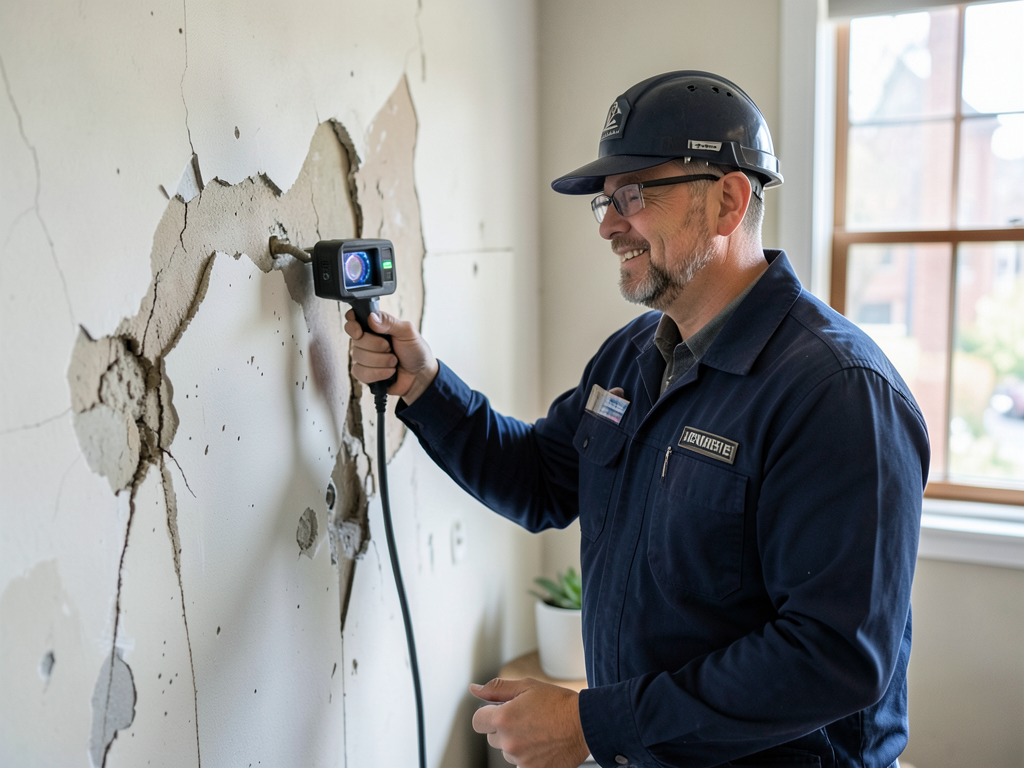
When you can’t locate the leak yourself, professional equipment can find it without tearing into walls. Thermal imaging cameras detect temperature differences caused by water behind surfaces. Acoustic sensors amplify the sound of water escaping under pressure.
Tracer gas testing works for underground leaks. The plumber injects a safe gas into your pipes, then uses a sensitive detector to find where it escapes. This method pinpoints leaks under concrete slabs or in your yard.
Professional leak detection costs $300-600 but saves you from unnecessary demolition and finds problems you can’t see.
Step 8: Repair the leak and prevent future spikes
Once you find the leak, get it repaired immediately. Small leaks grow larger and cause structural damage. A licensed plumber in DC must pull permits for most repairs, ensuring work meets DC Plumbing Code requirements.
After repairs, monitor your meter for several days. Usage should return to normal levels. Keep all documentation for your high bill adjustment request.
Install water leak detectors near water heaters, under sinks, and by washing machines. These devices sound alarms when they detect moisture, giving you early warning of future problems.
Understanding DC Water’s billing and adjustment policies
DC Water bills in CCF (100 cubic feet) increments. The current rate is $4.74 per CCF for the first 15 CCF, then $5.50 per CCF after that. A leak of just 10 gallons per hour wastes about 7 CCF per month.
The District of Columbia Water and Sewer Authority follows EPA guidelines for water conservation and leak detection. They require all plumbers working in DC to hold Master Plumber licenses and carry proper insurance.
DC Water’s high bill adjustment policy covers underground service line leaks, but not leaks from fixtures inside your home. They consider indoor fixture leaks to be maintenance issues for homeowners.
Fort Lincoln’s unique plumbing challenges
Fort Lincoln homes built before 2000 often have galvanized steel supply lines that corrode from the inside. This creates weak spots that burst without warning, especially during winter freeze-thaw cycles.
The neighborhood’s clay soil expands when wet and contracts when dry. This movement stresses buried pipes, causing joints to separate and creating underground leaks that surface as wet spots in your yard.
Many Fort Lincoln homes have polybutylene pipes, a material prone to sudden failure. If your home was built between 1978-1995, have a plumber inspect these pipes even if you haven’t noticed problems. Emergency Sump Pump Failure.
Preventing future water bill spikes
Schedule annual plumbing inspections to catch problems early. A plumber can test water pressure, inspect visible pipes, and check for corrosion before leaks develop.
Install pressure reducing valves if your home’s water pressure exceeds 80 psi. High pressure stresses pipes and fixtures, causing premature failure.
Replace old toilet flappers annually. This simple maintenance prevents the most common cause of high water bills.
Know where your main water shut-off valve is located. In an emergency, you can stop water flow immediately and prevent extensive damage.
When to call a professional plumber
Call a licensed plumber if you notice any of these signs: continuous meter movement with all water off, water stains on walls or ceilings, mold growth, or unexplained wet spots in your yard.
Professional plumbers in DC must follow strict codes and pull permits for most work. This protects you and ensures repairs meet safety standards.
Don’t wait to address high water bills. Every day you delay, you’re paying for wasted water and risking property damage.
Frequently Asked Questions
How long does DC Water take to process a high bill adjustment?
DC Water typically processes adjustment requests in 4-6 weeks after receiving complete documentation. Incomplete submissions take longer.
Will my homeowner’s insurance cover water damage from a leak?
Most policies cover sudden, accidental water damage but not damage from long-term leaks you should have discovered through maintenance.
Can I get a high bill adjustment for a toilet leak?
DC Water generally doesn’t adjust for fixture leaks inside your home. They only adjust for underground service line leaks and certain other situations.
How much water does a slow leak waste?
A leak dripping one drop per second wastes about 3,000 gallons per year. That’s over 4 CCF on your bill.
What’s the average water usage for a Fort Lincoln home?
A typical household uses 5-8 CCF per person monthly. A family of four averages 20-32 CCF monthly for normal usage.
Take action now to stop wasting water and money
Don’t let a hidden leak drain your wallet. Start with the DIY meter test today. If you find a problem or need professional help, call (771) 223-8111 to schedule leak detection service.
Our licensed plumbers serve Fort Lincoln and all of Washington DC. We find leaks quickly using advanced equipment and provide detailed documentation for your DC Water adjustment request.
Pick up the phone and call (771) 223-8111 before the next storm hits. Hidden leaks get worse with temperature changes and can cause thousands in damage if left unrepaired.
Visit our office at 1100 H Street NE, Washington DC 20002 to learn more about our leak detection services and how we can help you get your water bill back to normal.
{
“@context”: “https://schema.org”,
“@type”: “BlogPosting”,
“headline”: “Steps to take when your DC Water bill suddenly spikes in Fort Lincoln”,
“description”: “Is your DC Water bill suddenly higher than normal? Learn how to detect hidden leaks, read your meter, and request a high bill adjustment in Fort Lincoln.”,
“wordCount”: 1647,
“datePublished”: “2026-06-02T12:11:00.000Z”,
“dateModified”: “2026-06-02T12:11:00.000Z”,
“inLanguage”: “en-US”,
“mainEntityOfPage”: {
“@type”: “WebPage”,
“@id”: “https://crestlineplumbingwashingtondc.com”
},
“publisher”: {
“@type”: “LocalBusiness”,
“name”: “Crestline Plumbing Washington DC”,
“url”: “https://crestlineplumbingwashingtondc.com”
},
“author”: {
“@type”: “Organization”,
“name”: “Crestline Plumbing Washington DC”,
“url”: “https://crestlineplumbingwashingtondc.com”
},
“image”: {
“@type”: “ImageObject”,
“url”: “https://crestlineplumbingwashingtondc.com/wp-content/uploads/2026/03/steps-to-take-when-your-dc-water-bill-suddenly-spi-1.png”
}
}
{
“@context”: “https://schema.org”,
“@type”: “Plumber”,
“name”: “Crestline Plumbing Washington DC”,
“url”: “https://crestlineplumbingwashingtondc.com”,
“address”: {
“@type”: “PostalAddress”,
“addressLocality”: “Washington DC”
},
“areaServed”: {
“@type”: “City”,
“name”: “Washington DC”
}
}
{
“@context”: “https://schema.org”,
“@type”: “FAQPage”,
“mainEntity”: [
{
“@type”: “Question”,
“name”: “How long does DC Water take to process a high bill adjustment?”,
“acceptedAnswer”: {
“@type”: “Answer”,
“text”: “DC Water typically processes adjustment requests in 4-6 weeks after receiving complete documentation. Incomplete submissions take longer.”
}
},
{
“@type”: “Question”,
“name”: “Will my homeowner’s insurance cover water damage from a leak?”,
“acceptedAnswer”: {
“@type”: “Answer”,
“text”: “Most policies cover sudden, accidental water damage but not damage from long-term leaks you should have discovered through maintenance.”
}
},
{
“@type”: “Question”,
“name”: “Can I get a high bill adjustment for a toilet leak?”,
“acceptedAnswer”: {
“@type”: “Answer”,
“text”: “DC Water generally doesn’t adjust for fixture leaks inside your home. They only adjust for underground service line leaks and certain other situations.”
}
},
{
“@type”: “Question”,
“name”: “How much water does a slow leak waste?”,
“acceptedAnswer”: {
“@type”: “Answer”,
“text”: “A leak dripping one drop per second wastes about 3,000 gallons per year. That’s over 4 CCF on your bill.”
}
},
{
“@type”: “Question”,
“name”: “What’s the average water usage for a Fort Lincoln home?”,
“acceptedAnswer”: {
“@type”: “Answer”,
“text”: “A typical household uses 5-8 CCF per person monthly. A family of four averages 20-32 CCF monthly for normal usage.”
}
}
]
}
{
“@context”: “https://schema.org”,
“@type”: “BreadcrumbList”,
“itemListElement”: [
{
“@type”: “ListItem”,
“position”: 1,
“name”: “Home”,
“item”: “https://crestlineplumbingwashingtondc.com”
},
{
“@type”: “ListItem”,
“position”: 2,
“name”: “Blog”,
“item”: “https://crestlineplumbingwashingtondc.com/blog”
},
{
“@type”: “ListItem”,
“position”: 3,
“name”: “Steps to take when your DC Water bill suddenly spikes in Fort Lincoln”
}
]
}
{
“@context”: “https://schema.org”,
“@type”: “Service”,
“serviceType”: “Plumbing”,
“provider”: {
“@type”: “LocalBusiness”,
“name”: “Crestline Plumbing Washington DC”,
“url”: “https://crestlineplumbingwashingtondc.com”
},
“areaServed”: {
“@type”: “City”,
“name”: “Washington DC”
},
“description”: “Is your DC Water bill suddenly higher than normal? Learn how to detect hidden leaks, read your meter, and request a high bill adjustment in Fort Lincoln.”
}