
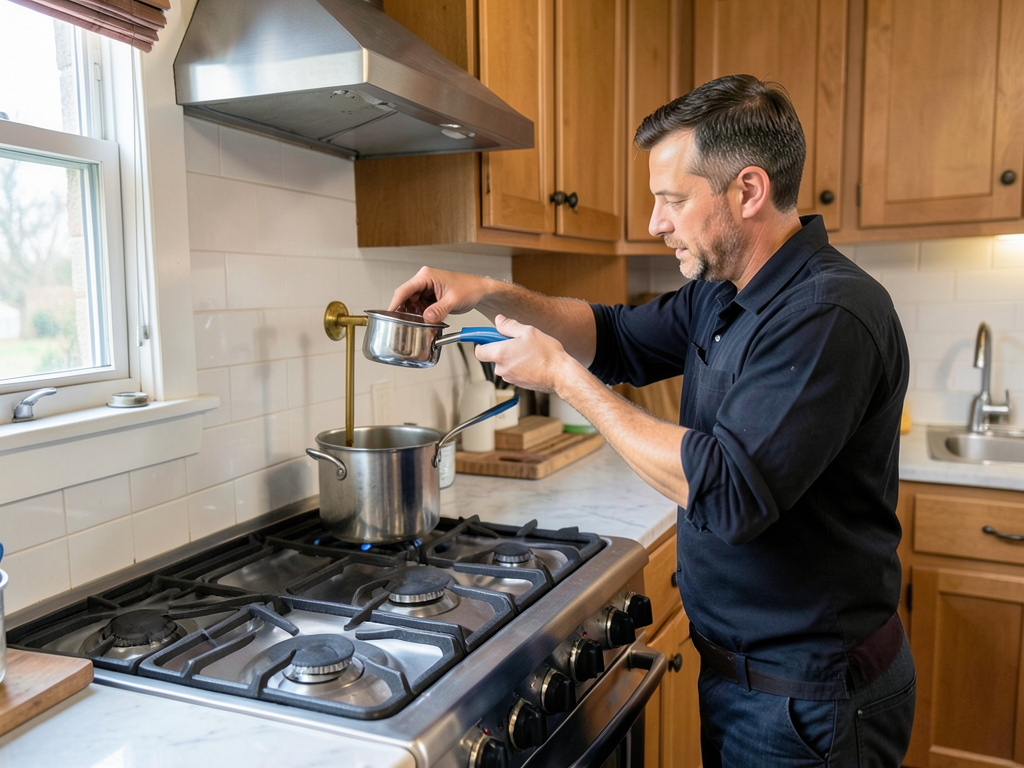
Should you add a pot filler to your kitchen remodel in Bloomingdale?
Adding a pot filler to your Bloomingdale kitchen remodel can make cooking easier and add a touch of luxury to your home. Before you commit to this upgrade you need to understand the plumbing requirements costs and how it fits into your kitchen design. This guide covers everything you need to know to decide if a pot filler is the right choice for your Bloomingdale kitchen. Common Plumbing Problems in Historic Capitol Hill Rowhouses (and How We Fix Them).
What is a pot filler and why consider one for your Bloomingdale kitchen?
A pot filler is a swing-out faucet mounted on the wall above your stove or cooktop. It allows you to fill large pots without carrying them across the kitchen saving time and reducing spills. In Bloomingdale where many homes feature historic brick construction and older plumbing systems adding a pot filler requires careful planning to ensure it integrates seamlessly with your existing kitchen layout and meets DC plumbing codes. DC Department of Buildings permit requirements.
Pot fillers are especially popular in Bloomingdale because they combine functionality with a modern aesthetic that complements both traditional and contemporary kitchen designs. Whether you are renovating a classic row house or updating a newer build a pot filler can be a practical and stylish addition.
Wall-mounted vs. deck-mounted pot fillers: which is right for your kitchen?
Choosing between wall-mounted and deck-mounted pot fillers depends on your kitchen layout and personal preference. Wall-mounted pot fillers are installed directly above the stove and swing out when in use then fold back against the wall when not needed. This option is ideal for Bloomingdale kitchens with limited counter space or where a clean uncluttered look is desired. Choosing the Best Tankless Water Heater for Your Small Washington DC Condo.
Deck-mounted pot fillers are installed on the countertop near the stove. They are easier to install in some cases but take up valuable counter space. In Bloomingdale row houses where kitchens may be compact wall-mounted pot fillers often make more sense to preserve counter space.
Consider the following when deciding:
- Wall-mounted: Saves counter space sleek appearance requires wall access for plumbing
- Deck-mounted: Easier installation no wall cutting required uses counter space
Both types require a dedicated cold water line and shut-off valve for safety and maintenance. Emergency Water Shut-Off Service.
The pot filler installation process: what to expect in Bloomingdale
Installing a pot filler in a Bloomingdale kitchen involves several steps to ensure proper function and compliance with DC plumbing codes. Here is what the process typically looks like: Safely Installing New Gas Lines for Your DC Kitchen Remodel.
- Water line extension and rough-in
A licensed plumber extends a cold water line from your main supply to the stove area. In Bloomingdale homes this may involve running PEX or copper piping through walls which requires cutting into plaster or brick surfaces. Who to Call When You Need an Emergency Plumber in Georgetown Right Away.
- Bracing and support
Because pot fillers are mounted high on walls proper bracing is essential to support the weight and prevent movement over time. This is especially important in older Bloomingdale homes with lath and plaster walls.
- Backsplash considerations
The installation must account for your backsplash material whether tile brick or stone to ensure a clean finish and prevent water damage.
- Final trim and leak testing
After mounting the faucet and connecting the water line the plumber performs pressure testing to check for leaks. This step is critical to avoid water damage behind walls.
In Bloomingdale where many homes are historic the installation may require additional care to preserve original wall finishes and comply with local preservation guidelines.
DC plumbing codes and permit requirements for pot filler installation
Adding a pot filler in Washington DC requires compliance with the District of Columbia Plumbing Code and may require a permit from the DC Department of Buildings (DOB). The code mandates that new water lines be installed by a licensed plumber and that all connections meet pressure and safety standards. District of Columbia Plumbing Code.
Key code considerations include:
- Use of approved materials such as PEX or copper piping
- Installation of a dedicated shut-off valve for the pot filler
- Proper support and bracing to prevent movement or leaks
- Compliance with backflow prevention requirements
Permits are typically required when new water lines are added or when cutting into walls in finished spaces. Your plumber will handle the permit process and ensure all work meets DC Water and Sewer Authority (DC Water) standards.
Cost factors for professional pot filler installation in Bloomingdale
The cost of installing a pot filler in Bloomingdale depends on several factors:
| Cost Factor | Description | Typical Range |
|---|---|---|
| Labor | Professional installation by licensed plumber | $300 – $600 |
| Materials | Piping fittings faucet shut-off valve | $200 – $500 |
| Permit fees | DC Department of Buildings permit | $50 – $150 |
| Wall repair | Repairs to plaster or brick after installation | $100 – $300 |
Total installation costs typically range from $650 to $1550 depending on the complexity of the job and the condition of your existing plumbing.
DIY installation is not recommended because improper installation can lead to leaks water damage and code violations. A licensed plumber ensures the job is done right the first time.
Common pot filler questions answered
Do I need a drain under a pot filler?
No pot fillers do not require a drain because they are designed to fill pots not to drain water. However it is important to ensure the area around the pot filler is waterproofed to prevent water damage from spills or leaks.
How high should a pot filler be mounted?
Pot fillers are typically mounted 12 to 18 inches above the stove top to allow clearance for large pots. The exact height depends on your stove size and personal preference.
Does a pot filler require a cold or hot water line?
Most pot fillers are connected to a cold water line because they are used to fill pots that will be heated on the stove. Hot water lines are not necessary and can add complexity to the installation.
Can I install a pot filler in a historic Bloomingdale home?
Yes but it requires extra care to preserve original wall finishes and comply with historic preservation guidelines. A licensed plumber experienced with historic homes can help navigate these challenges.
Why professional installation matters in Bloomingdale
Installing a pot filler may seem straightforward but in Bloomingdale’s historic and varied housing stock it often involves challenges that only a professional can handle. Older homes may have outdated plumbing materials uneven walls or hidden structural issues that require expert diagnosis and repair.
Professional installation ensures:
- Compliance with DC plumbing codes and permit requirements
- Proper water pressure and flow rate for reliable use
- Prevention of leaks and water damage behind walls
- Preservation of historic wall finishes and structural integrity
Attempting DIY installation risks costly mistakes and potential damage to your home.
Maintenance and leak prevention tips for your pot filler
Once installed your pot filler requires minimal maintenance but regular checks can prevent problems. Here are some tips:
- Inspect the faucet and connections every few months for signs of leaks or corrosion
- Test the shut-off valve annually to ensure it operates smoothly
- Clean the faucet aerator periodically to maintain water flow
- If you notice reduced water pressure or dripping contact a plumber promptly
Because pot fillers are mounted high and often in hard-to-reach places professional maintenance is recommended if you are unsure about performing these checks yourself.
Ready to add a pot filler to your Bloomingdale kitchen?
If you are planning a kitchen remodel in Bloomingdale and want to add a pot filler the first step is to consult with a licensed plumber who understands DC codes and the unique needs of your home. Professional installation ensures your pot filler is safe functional and built to last.
Call (771) 223-8111 today to schedule your free consultation and get expert advice on pot filler installation in Bloomingdale. Do not risk water damage or code violations—let our experienced team handle your kitchen upgrade with care and precision.
Frequently Asked Questions
Can I install a pot filler myself?
DIY installation is not recommended because it can lead to leaks code violations and water damage. A licensed plumber ensures proper installation and compliance with DC regulations.
How long does pot filler installation take?
Most installations take 2 to 4 hours depending on the complexity of the plumbing and wall access. Historic homes may require additional time.
Will a pot filler increase my home’s value?
A pot filler can be a desirable feature for homebuyers especially in high-end kitchens and may contribute to your home’s appeal and value.
What if my kitchen has no existing water line near the stove?
A plumber can extend a new cold water line from your main supply to the stove area. This may require cutting into walls but is a common part of the installation process.
Are there any special considerations for historic Bloomingdale homes?
Yes historic homes may require extra care to preserve original finishes and comply with preservation guidelines. A plumber experienced with historic properties can help navigate these requirements.
{
“@context”: “https://schema.org”,
“@type”: “BlogPosting”,
“headline”: “Should you add a pot filler to your kitchen remodel in Bloomingdale?”,
“description”: “Learn about pot filler installation in Bloomingdale including DC plumbing codes, costs, and historic home considerations. Call (771) 223-8111 for expert help.”,
“wordCount”: 1536,
“datePublished”: “2026-06-03T11:55:00.000Z”,
“dateModified”: “2026-06-03T11:55:00.000Z”,
“inLanguage”: “en-US”,
“mainEntityOfPage”: {
“@type”: “WebPage”,
“@id”: “https://crestlineplumbingwashingtondc.com”
},
“publisher”: {
“@type”: “LocalBusiness”,
“name”: “Crestline Plumbing Washington DC”,
“url”: “https://crestlineplumbingwashingtondc.com”
},
“author”: {
“@type”: “Organization”,
“name”: “Crestline Plumbing Washington DC”,
“url”: “https://crestlineplumbingwashingtondc.com”
},
“image”: {
“@type”: “ImageObject”,
“url”: “https://crestlineplumbingwashingtondc.com/wp-content/uploads/2026/03/should-you-add-a-pot-filler-to-your-kitchen-remode-1.png”
}
}
{
“@context”: “https://schema.org”,
“@type”: “Plumber”,
“name”: “Crestline Plumbing Washington DC”,
“url”: “https://crestlineplumbingwashingtondc.com”,
“address”: {
“@type”: “PostalAddress”,
“addressLocality”: “Washington DC”
},
“areaServed”: {
“@type”: “City”,
“name”: “Washington DC”
}
}
{
“@context”: “https://schema.org”,
“@type”: “FAQPage”,
“mainEntity”: [
{
“@type”: “Question”,
“name”: “What is a pot filler and why consider one for your Bloomingdale kitchen?”,
“acceptedAnswer”: {
“@type”: “Answer”,
“text”: “A pot filler is a swing-out faucet mounted on the wall above your stove or cooktop. It allows you to fill large pots without carrying them across the kitchen saving time and reducing spills. In Bloomingdale where many homes feature historic brick construction and older plumbing systems adding a pot filler requires careful planning to ensure it integrates seamlessly with your existing kitchen layout and meets DC plumbing codes. DC Department of Buildings permit requirements.”
}
},
{
“@type”: “Question”,
“name”: “Wall-mounted vs. deck-mounted pot fillers: which is right for your kitchen?”,
“acceptedAnswer”: {
“@type”: “Answer”,
“text”: “Choosing between wall-mounted and deck-mounted pot fillers depends on your kitchen layout and personal preference. Wall-mounted pot fillers are installed directly above the stove and swing out when in use then fold back against the wall when not needed. This option is ideal for Bloomingdale kitchens with limited counter space or where a clean uncluttered look is desired. Choosing the Best Tankless Water Heater for Your Small Washington DC Condo.”
}
},
{
“@type”: “Question”,
“name”: “Do I need a drain under a pot filler?”,
“acceptedAnswer”: {
“@type”: “Answer”,
“text”: “No pot fillers do not require a drain because they are designed to fill pots not to drain water. However it is important to ensure the area around the pot filler is waterproofed to prevent water damage from spills or leaks.”
}
},
{
“@type”: “Question”,
“name”: “How high should a pot filler be mounted?”,
“acceptedAnswer”: {
“@type”: “Answer”,
“text”: “Pot fillers are typically mounted 12 to 18 inches above the stove top to allow clearance for large pots. The exact height depends on your stove size and personal preference.”
}
},
{
“@type”: “Question”,
“name”: “Does a pot filler require a cold or hot water line?”,
“acceptedAnswer”: {
“@type”: “Answer”,
“text”: “Most pot fillers are connected to a cold water line because they are used to fill pots that will be heated on the stove. Hot water lines are not necessary and can add complexity to the installation.”
}
},
{
“@type”: “Question”,
“name”: “Can I install a pot filler in a historic Bloomingdale home?”,
“acceptedAnswer”: {
“@type”: “Answer”,
“text”: “Yes but it requires extra care to preserve original wall finishes and comply with historic preservation guidelines. A licensed plumber experienced with historic homes can help navigate these challenges.”
}
},
{
“@type”: “Question”,
“name”: “Ready to add a pot filler to your Bloomingdale kitchen?”,
“acceptedAnswer”: {
“@type”: “Answer”,
“text”: “If you are planning a kitchen remodel in Bloomingdale and want to add a pot filler the first step is to consult with a licensed plumber who understands DC codes and the unique needs of your home. Professional installation ensures your pot filler is safe functional and built to last.”
}
},
{
“@type”: “Question”,
“name”: “Can I install a pot filler myself?”,
“acceptedAnswer”: {
“@type”: “Answer”,
“text”: “DIY installation is not recommended because it can lead to leaks code violations and water damage. A licensed plumber ensures proper installation and compliance with DC regulations.”
}
},
{
“@type”: “Question”,
“name”: “How long does pot filler installation take?”,
“acceptedAnswer”: {
“@type”: “Answer”,
“text”: “Most installations take 2 to 4 hours depending on the complexity of the plumbing and wall access. Historic homes may require additional time.”
}
},
{
“@type”: “Question”,
“name”: “Will a pot filler increase my home’s value?”,
“acceptedAnswer”: {
“@type”: “Answer”,
“text”: “A pot filler can be a desirable feature for homebuyers especially in high-end kitchens and may contribute to your home’s appeal and value.”
}
},
{
“@type”: “Question”,
“name”: “What if my kitchen has no existing water line near the stove?”,
“acceptedAnswer”: {
“@type”: “Answer”,
“text”: “A plumber can extend a new cold water line from your main supply to the stove area. This may require cutting into walls but is a common part of the installation process.”
}
},
{
“@type”: “Question”,
“name”: “Are there any special considerations for historic Bloomingdale homes?”,
“acceptedAnswer”: {
“@type”: “Answer”,
“text”: “Yes historic homes may require extra care to preserve original finishes and comply with preservation guidelines. A plumber experienced with historic properties can help navigate these requirements.”
}
}
]
}
{
“@context”: “https://schema.org”,
“@type”: “HowTo”,
“name”: “Pot Filler Installation Process”,
“step”: [
{
“@type”: “HowToStep”,
“position”: 1,
“name”: “Water line extension and rough-in”,
“text”: “A licensed plumber extends a cold water line from your main supply to the stove area. In Bloomingdale homes this may involve running PEX or copper piping through walls which requires cutting into plaster or brick surfaces. Who to Call When You Need an Emergency Plumber in Georgetown Right Away.”
},
{
“@type”: “HowToStep”,
“position”: 2,
“name”: “Bracing and support”,
“text”: “Because pot fillers are mounted high on walls proper bracing is essential to support the weight and prevent movement over time. This is especially important in older Bloomingdale homes with lath and plaster walls.”
},
{
“@type”: “HowToStep”,
“position”: 3,
“name”: “Backsplash considerations”,
“text”: “The installation must account for your backsplash material whether tile brick or stone to ensure a clean finish and prevent water damage.”
},
{
“@type”: “HowToStep”,
“position”: 4,
“name”: “Final trim and leak testing”,
“text”: “After mounting the faucet and connecting the water line the plumber performs pressure testing to check for leaks. This step is critical to avoid water damage behind walls.”
}
],
“image”: “https://crestlineplumbingwashingtondc.com/wp-content/uploads/2026/03/should-you-add-a-pot-filler-to-your-kitchen-remode-1.png”
}
{
“@context”: “https://schema.org”,
“@type”: “BreadcrumbList”,
“itemListElement”: [
{
“@type”: “ListItem”,
“position”: 1,
“name”: “Home”,
“item”: “https://crestlineplumbingwashingtondc.com”
},
{
“@type”: “ListItem”,
“position”: 2,
“name”: “Blog”,
“item”: “https://crestlineplumbingwashingtondc.com/blog”
},
{
“@type”: “ListItem”,
“position”: 3,
“name”: “Should you add a pot filler to your kitchen remodel in Bloomingdale?”
}
]
}
{
“@context”: “https://schema.org”,
“@type”: “Service”,
“serviceType”: “Plumbing”,
“provider”: {
“@type”: “LocalBusiness”,
“name”: “Crestline Plumbing Washington DC”,
“url”: “https://crestlineplumbingwashingtondc.com”
},
“areaServed”: {
“@type”: “City”,
“name”: “Washington DC”
},
“description”: “Learn about pot filler installation in Bloomingdale including DC plumbing codes, costs, and historic home considerations. Call (771) 223-8111 for expert help.”
}