
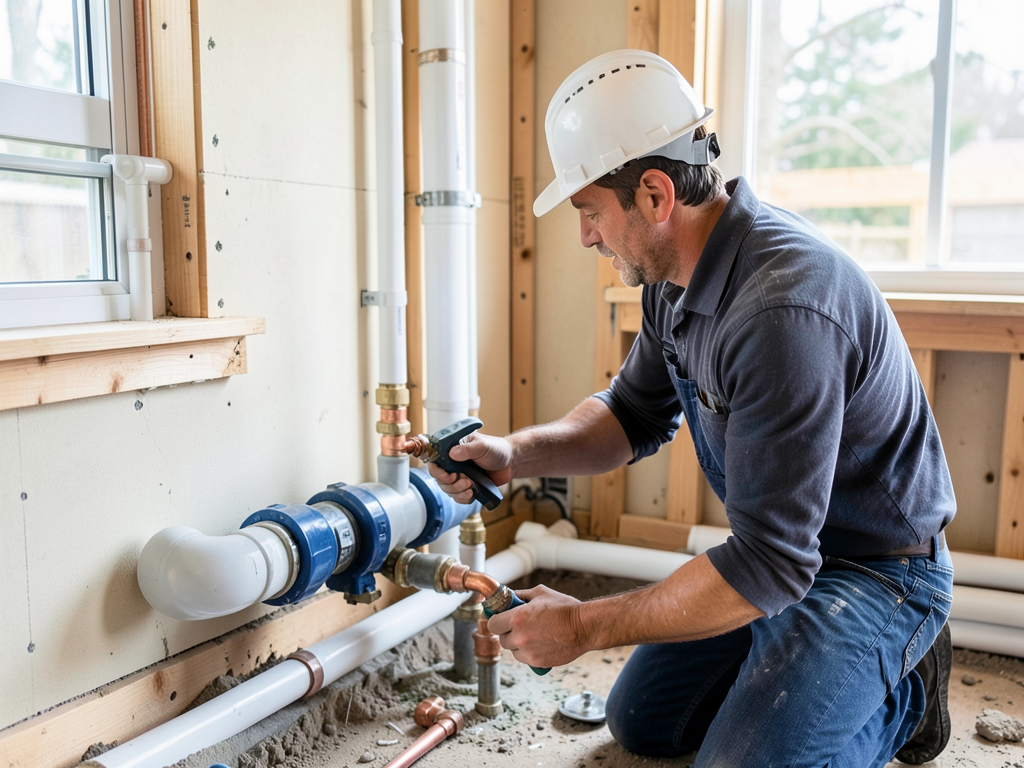
Plumbing Considerations for a Rear Bump-Out Addition in Fairlawn
Adding a rear bump-out to your Fairlawn home creates new living space but also introduces complex plumbing challenges. You need to extend water supply lines, tie into existing sewer systems, and ensure proper venting while meeting DC Department of Buildings (DOB) code requirements. The process involves coordinating with inspectors, managing historic district regulations if applicable, and addressing Fairlawn’s specific soil and infrastructure conditions. Understanding these factors before construction begins prevents costly rework and delays. DC Department of Buildings plumbing permits.
DC Plumbing Permits and Code Requirements
Every plumbing addition in Washington DC requires a permit from the Department of Buildings. The DOB mandates that all new plumbing work follows the International Plumbing Code (IPC) with DC amendments. For a rear bump-out, you must submit detailed plans showing fixture locations, pipe routing, and venting configurations. The code requires a minimum 3-inch main waste line for bathrooms and kitchens, with 1.5-inch supply lines for fixtures. DC Water also requires backflow prevention devices on all new connections to prevent contamination of the municipal supply. EPA WaterSense efficiency standards.
The inspection process includes rough-in, top-out, and final inspections. Rough-in occurs after framing but before drywall installation. Top-out inspection happens when all fixtures are in place but before final connections. The final inspection confirms all work meets code before you can occupy the space. Missing any inspection step can result in fines and mandatory rework.
Sewer and Vent Stack Integration
Connecting to your existing sewer system requires careful planning. Most Fairlawn homes built before 1950 have cast iron or clay sewer lines that may have deteriorated. A video camera inspection reveals the condition of your main sewer line before you commit to the addition. If the existing line shows cracks or root intrusion, replacement becomes necessary before adding new fixtures.. Read more about Adding a Utility Sink to Your Garage or Workshop in Berkley.
The vent stack must extend through the roof to allow proper drainage. For a rear bump-out, this often means extending the main stack upward or creating new individual vents for each fixture. DC code requires vents to be at least 1.5 inches in diameter and terminate at least 6 inches above the roofline. In historic districts, vent placement must maintain the home’s exterior appearance, which may require creative routing through interior walls.
Fairlawn’s clay soil conditions affect trenching depth requirements. The code mandates a minimum 18-inch cover over sewer lines in residential areas, but clay soil’s poor drainage may require deeper burial to prevent freezing in winter months. The 2023 DC Building Code amendment Section 305.6 specifically addresses trenching in clay soils, requiring additional gravel backfill for proper drainage.
Water Supply Line Sizing and Pressure
Adding new fixtures increases water demand on your existing system. The IPC uses fixture unit calculations to determine minimum pipe sizing. A typical bathroom adds 4-5 fixture units, while a kitchen adds 2-3 units. Your existing 3/4-inch main line may need upgrading to 1-inch or larger to maintain adequate pressure with the addition.. Read more about Should you add a pot filler to your kitchen remodel in Bloomingdale?.
Fairlawn homes often experience low water pressure due to aging municipal infrastructure. The WSSC Water service area reports that homes built before 1970 commonly have 1/2-inch galvanized supply lines that corrode internally, reducing flow. Pressure testing your existing system reveals whether you need a pressure booster pump for the new addition. The 2023 IPC Section 604.8 requires minimum 20 psi at each fixture, with many homeowners finding 40-50 psi more comfortable for modern fixtures. Common Plumbing Problems in Historic Capitol Hill Rowhouses (and How We Fix Them).
Copper versus PEX piping decisions depend on your home’s age and water chemistry. Fairlawn’s water supply has moderate hardness levels around 5-7 grains per gallon, making both materials viable. However, homes built before 1986 may have lead service lines that require replacement under DC Water’s lead pipe replacement program. A licensed plumber can test your service line material and recommend appropriate replacement strategies. Who to Call When You Need an Emergency Plumber in Georgetown Right Away.
Fixture Selection and Layout Considerations
Fixture placement affects both plumbing complexity and construction costs. Locating new bathrooms or kitchens near existing plumbing reduces installation costs by minimizing new line runs. The ideal scenario places new fixtures on the same wall as existing plumbing, allowing shared wall cavities for new pipes.. Read more about How to navigate DC plumbing permits for your basement renovation in Brookland.
Water heater capacity becomes critical when adding new bathrooms. A standard 40-gallon tank may not provide adequate hot water for simultaneous use in multiple bathrooms. Tankless water heaters offer on-demand hot water but require proper venting and adequate gas supply lines. The 2023 NEC Article 422.11 requires dedicated circuits for electric tankless units, which may necessitate electrical panel upgrades. Choosing the Best Tankless Water Heater for Your Small Washington DC Condo.
Shower valve selection impacts both water conservation and user experience. DC’s water conservation ordinance requires showerheads to flow at 1.8 gallons per minute or less. Modern pressure-balancing valves prevent scalding when other fixtures are used simultaneously, a crucial safety feature for multi-bathroom homes.. Read more about Comparing steam shower installation costs and benefits for luxury homes in Spring Valley.
Foundation and Structural Considerations
Plumbing rough-in must coordinate with foundation work for the bump-out. The foundation contractor and plumber need to collaborate on underground pipe routing before concrete is poured. Any pipes passing through the foundation require proper sleeves to prevent cracking from soil movement. Fairlawn’s clay soil expands and contracts significantly with moisture changes, potentially damaging improperly installed pipes.
Floor drains in basement-level additions require sump pump systems to prevent flooding. The sump pump must discharge at least 10 feet from the foundation, with a check valve to prevent backflow. DC code requires battery backup systems for all basement drainage installations, ensuring operation during power outages. Don’t Let Your Basement Flood—Expert Sump Pump Repair and Maintenance in Northwest DC.
Water hammer arrestors prevent pipe banging when fixtures are turned off quickly. The 2023 IPC Section 417.5 requires arrestors on all quick-closing valves, including washing machines and dishwashers. These devices absorb pressure surges that could otherwise damage pipes and fixtures.
Cost Factors and Timeline Management
Plumbing costs for a rear bump-out vary significantly based on several factors. Distance from existing plumbing increases costs due to longer pipe runs and more fittings. Running new lines through finished spaces requires cutting drywall and patching, adding labor costs. Accessing the main sewer line from the addition’s location may require trenching through landscaping or driveways.
Historic district considerations can add 15-30% to plumbing costs due to specialized materials and installation methods required to maintain architectural integrity. Lead paint containment procedures and asbestos testing may be necessary for homes built before 1978, adding to project complexity and cost.
The permitting process typically takes 2-4 weeks for standard additions, but historic district reviews can extend this to 6-8 weeks. Scheduling inspections requires coordination with other trades, as plumbing work often depends on framing completion and electrical rough-in. Weather delays are common during winter months when trenching becomes difficult in frozen ground.
Common Pitfalls and How to Avoid Them
Underestimating sewer line capacity causes frequent problems in home additions. Your existing 4-inch main line may not handle additional bathroom fixtures, especially if you have a combined sewer system common in older DC neighborhoods. A licensed plumber can calculate your system’s remaining capacity and recommend upgrades if needed.
Improper venting creates slow drains and gurgling sounds that frustrate homeowners. Each fixture requires proper venting to allow air into the system as water drains. Skipping vents to save money results in chronic drainage problems that require expensive remediation.
Using incorrect pipe materials leads to premature failures. Mixing copper and galvanized steel without dielectric unions causes galvanic corrosion. Using PVC for hot water lines above code-allowed temperatures results in pipe deformation and leaks. Following IPC Table 702.4 ensures proper material selection for each application. Emergency Sump Pump Failure.
Ignoring future maintenance needs creates problems down the road. Install cleanouts at strategic locations to allow drain cleaning without demolition. Use accessible valve locations for emergency shutoffs. Consider the long-term implications of your plumbing layout before finalizing plans.
Energy Efficiency and Sustainability
Modern plumbing fixtures offer significant water and energy savings. Low-flow toilets use 1.28 gallons per flush compared to older models using 3-5 gallons. WaterSense labeled fixtures meet EPA efficiency standards while maintaining performance. These upgrades may qualify for DC Water rebates, offsetting some installation costs.
Hot water recirculation systems eliminate wait times for hot water but require additional plumbing and energy use. Smart recirculation controllers learn your usage patterns and operate only when needed, reducing energy waste. The initial investment typically pays for itself within 2-3 years through water savings.
Rainwater harvesting systems for irrigation reduce municipal water demand but require separate plumbing systems to prevent cross-connection with potable water. DC code requires air gaps and backflow preventers on all non-potable water systems to protect public health.
Final Inspection and Occupancy
The final plumbing inspection verifies all work meets code requirements before you can legally occupy the new space. The inspector checks for proper trap seals, adequate venting, correct pipe sizing, and functional fixtures. Any deficiencies must be corrected before final approval.
Post-occupancy monitoring helps identify issues that may not appear during inspection. Check for leaks under sinks, around toilets, and at supply line connections during the first few months of use. Address any problems promptly to prevent water damage to your new addition.
Documentation of all plumbing work, including permits, inspection reports, and material warranties, proves valuable for future home sales and insurance claims. Keep this information readily available for reference.
Ready to start your rear bump-out project? Call (771) 223-8111 today to schedule your inspection and get expert plumbing guidance for your Fairlawn home addition.
Frequently Asked Questions
How long does plumbing for a rear bump-out addition typically take?
Plumbing rough-in usually takes 3-5 days for a standard bathroom addition, with another 1-2 days for fixture installation after framing is complete. The total timeline depends on inspection scheduling and coordination with other trades.
Do I need a separate permit for plumbing work in my addition?
Yes, plumbing work requires its own permit from the DC Department of Buildings, even when done as part of a larger addition project. The permit ensures all work meets current code requirements and passes necessary inspections.
Can I use PEX piping for my new addition if my house has copper pipes?
Yes, PEX can be used alongside existing copper piping as long as proper transition fittings are used. Many homeowners choose PEX for additions due to its flexibility and freeze resistance, especially in areas with temperature fluctuations.
What happens if my existing sewer line can’t handle the additional load?
If your main sewer line lacks capacity, you’ll need to upgrade to a larger diameter pipe or install a sewage ejector pump for basement-level fixtures. A professional plumber can assess your system and recommend the most cost-effective solution.. Read more about Preventing Basement Flooding with Underground Downspout Extensions in Eastland Gardens.
You may also find this helpful. Everything you need to know about installing an outdoor shower in your Palisades backyard.
{
“@context”: “https://schema.org”,
“@type”: “BlogPosting”,
“headline”: “Plumbing Considerations for a Rear Bump-Out Addition in Fairlawn”,
“description”: “Planning a rear bump-out addition in Fairlawn? Learn DC plumbing codes, sewer tie-ins, water pressure needs, and permit requirements for a smooth project.”,
“wordCount”: 1790,
“datePublished”: “2026-05-25T07:05:00.000Z”,
“dateModified”: “2026-05-25T07:05:00.000Z”,
“inLanguage”: “en-US”,
“mainEntityOfPage”: {
“@type”: “WebPage”,
“@id”: “https://crestlineplumbingwashingtondc.com”
},
“publisher”: {
“@type”: “LocalBusiness”,
“name”: “Crestline Plumbing Washington DC”,
“url”: “https://crestlineplumbingwashingtondc.com”
},
“author”: {
“@type”: “Organization”,
“name”: “Crestline Plumbing Washington DC”,
“url”: “https://crestlineplumbingwashingtondc.com”
},
“image”: {
“@type”: “ImageObject”,
“url”: “https://crestlineplumbingwashingtondc.com/wp-content/uploads/2026/03/plumbing-considerations-for-a-rear-bump-out-additi-1.png”
}
}
{
“@context”: “https://schema.org”,
“@type”: “Plumber”,
“name”: “Crestline Plumbing Washington DC”,
“url”: “https://crestlineplumbingwashingtondc.com”,
“address”: {
“@type”: “PostalAddress”,
“addressLocality”: “Washington DC”
},
“areaServed”: {
“@type”: “City”,
“name”: “Washington DC”
}
}
{
“@context”: “https://schema.org”,
“@type”: “FAQPage”,
“mainEntity”: [
{
“@type”: “Question”,
“name”: “How long does plumbing for a rear bump-out addition typically take?”,
“acceptedAnswer”: {
“@type”: “Answer”,
“text”: “Plumbing rough-in usually takes 3-5 days for a standard bathroom addition, with another 1-2 days for fixture installation after framing is complete. The total timeline depends on inspection scheduling and coordination with other trades.”
}
},
{
“@type”: “Question”,
“name”: “Do I need a separate permit for plumbing work in my addition?”,
“acceptedAnswer”: {
“@type”: “Answer”,
“text”: “Yes, plumbing work requires its own permit from the DC Department of Buildings, even when done as part of a larger addition project. The permit ensures all work meets current code requirements and passes necessary inspections.”
}
},
{
“@type”: “Question”,
“name”: “Can I use PEX piping for my new addition if my house has copper pipes?”,
“acceptedAnswer”: {
“@type”: “Answer”,
“text”: “Yes, PEX can be used alongside existing copper piping as long as proper transition fittings are used. Many homeowners choose PEX for additions due to its flexibility and freeze resistance, especially in areas with temperature fluctuations.”
}
},
{
“@type”: “Question”,
“name”: “What happens if my existing sewer line can’t handle the additional load?”,
“acceptedAnswer”: {
“@type”: “Answer”,
“text”: “If your main sewer line lacks capacity, you’ll need to upgrade to a larger diameter pipe or install a sewage ejector pump for basement-level fixtures. A professional plumber can assess your system and recommend the most cost-effective solution.”
}
}
]
}
{
“@context”: “https://schema.org”,
“@type”: “BreadcrumbList”,
“itemListElement”: [
{
“@type”: “ListItem”,
“position”: 1,
“name”: “Home”,
“item”: “https://crestlineplumbingwashingtondc.com”
},
{
“@type”: “ListItem”,
“position”: 2,
“name”: “Blog”,
“item”: “https://crestlineplumbingwashingtondc.com/blog”
},
{
“@type”: “ListItem”,
“position”: 3,
“name”: “Plumbing Considerations for a Rear Bump-Out Addition in Fairlawn”
}
]
}
{
“@context”: “https://schema.org”,
“@type”: “Service”,
“serviceType”: “Plumbing”,
“provider”: {
“@type”: “LocalBusiness”,
“name”: “Crestline Plumbing Washington DC”,
“url”: “https://crestlineplumbingwashingtondc.com”
},
“areaServed”: {
“@type”: “City”,
“name”: “Washington DC”
},
“description”: “Planning a rear bump-out addition in Fairlawn? Learn DC plumbing codes, sewer tie-ins, water pressure needs, and permit requirements for a smooth project.”
}