
Steam heat in Cathedral Heights apartments creates a unique challenge for DC residents. These older buildings rely on cast iron radiators connected to aging boilers that need specialized knowledge to maintain. The sound of banging pipes or uneven heating across rooms signals problems that require a technician familiar with Washington’s historic steam infrastructure. DC Municipal Regulations.
Understanding Your Cathedral Heights Steam System
Cathedral Heights developed in the early-to-mid 20th century when steam heating dominated Washington DC construction. These systems operate by boiling water in a basement boiler sending steam through pipes to radiators throughout the building. The steam releases heat condenses back to water and returns to the boiler. DC Department of Energy and Environment.
Most Cathedral Heights buildings use one-pipe steam systems where each radiator has a single connection for both steam supply and condensate return. This design requires precise pitch and venting to function correctly. The district’s water chemistry with its moderate mineral content affects how scale builds up in these aging systems over decades of operation. Emergency Water Shut-Off Service.
Two-pipe systems less common in this area separate steam supply from condensate return. These require trap maintenance to prevent steam from entering return lines. The Washington DC plumbing code (DCMR 12E) mandates specific venting requirements for multi-unit buildings that many older systems no longer meet. DC Historic Preservation Office.
Common Steam Heat Problems in Cathedral Heights
Banging noises rank as the most frequent complaint from Cathedral Heights residents. This water hammer occurs when condensed steam pools in pipes that lack proper pitch. The trapped water creates a piston effect when new steam pushes against it. You will hear loud knocks especially when the system first fires up in the morning.
Uneven heating plagues many apartments. Some radiators get scorching hot while others remain cold. This imbalance stems from air trapped in the system or malfunctioning air vents. Hoffman valves the small adjustable vents on each radiator wear out after 15-20 years. When they fail radiators cannot purge air effectively.
Leaks at radiator valves or connections create water damage risks. The cast iron fittings in buildings from the 1920s-1940s often develop hairline cracks from thermal cycling. A small drip today becomes a flood tomorrow when internal corrosion finally breaks through.
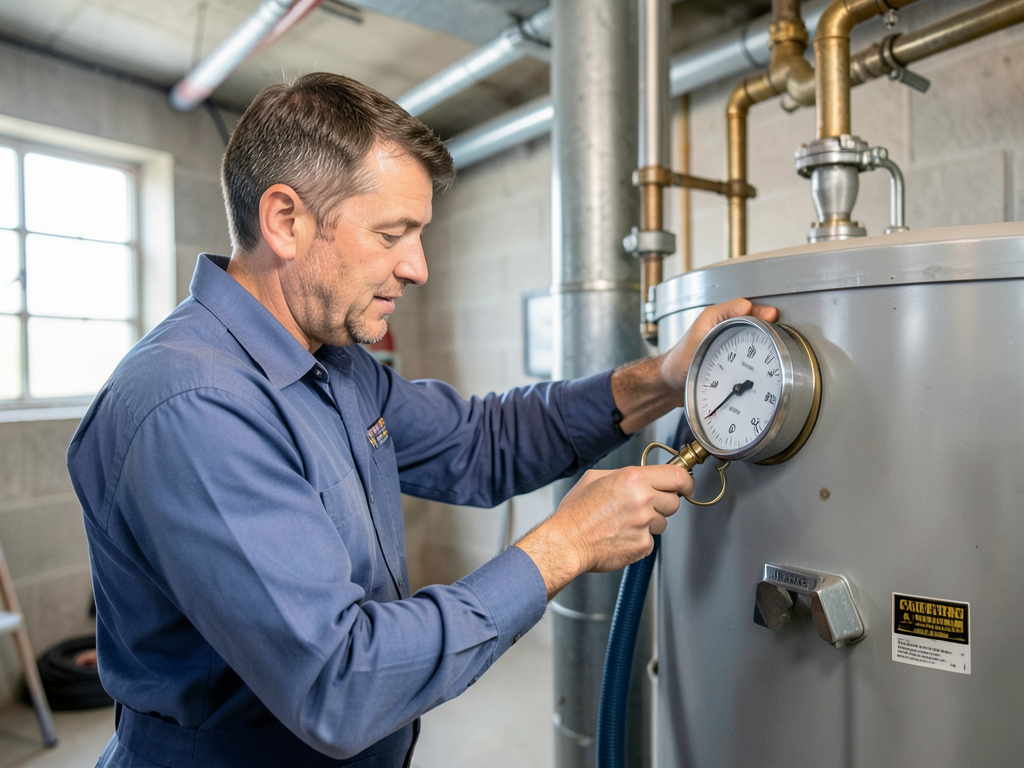
Boiler pressure problems cause both efficiency losses and safety hazards. Many Cathedral Heights boilers operate at 2-3 PSI when they should maintain 0.5-1.5 PSI. High pressure forces steam into return lines causing water hammer and potentially triggering pressure relief valves.
Diagnostic Steps for Steam System Issues
Start diagnosis by checking the boiler’s sight glass. The water level should sit midway between the two indicator marks. Low water triggers automatic shutoff leaving your apartment without heat. High water causes flooding and water hammer.
Listen to the radiator vents during heating cycles. They should hiss softly as air escapes then close with a click when steam reaches them. A vent that continues hissing or remains silent indicates failure. Replace these annually in systems over 30 years old. Emergency Sump Pump Failure.
Check radiator pitch using a small bubble level. The radiator should tilt slightly toward the valve typically 1/4 inch per 10 feet of length. Improper pitch prevents condensate drainage causing knocking sounds and cold spots.
Inspect the pressuretrol settings on your boiler. Many technicians mistakenly set these too high. The cut-in pressure should read 0.5 PSI with a 1 PSI differential. Higher settings waste energy and stress the system.
Test the main line vents near the boiler. These large vents remove air from supply pipes. When they clog steam cannot reach radiators at the end of the line. You will notice distant radiators staying cold while those near the boiler get hot.
Maintenance Tasks Every Cathedral Heights Resident Should Know
Drain sediment from your boiler annually. Minerals and rust accumulate in the bottom reducing efficiency and potentially damaging the heat exchanger. Attach a garden hose to the boiler’s drain valve and flush until the water runs clear.
Clean or replace air vents every heating season. Remove them with a proper vent wrench and soak in vinegar to dissolve mineral deposits. If they don’t close completely when heated with a match replace them.
Check valve packing nuts quarterly. These nuts compress packing material around valve stems. If you feel play or see moisture tighten them 1/8 turn clockwise. Overtightening damages threads and makes future maintenance difficult.
Monitor the pressure relief valve annually. Lift the test lever to ensure it moves freely and releases pressure. A stuck valve creates explosion hazards. The Washington Suburban Sanitary Commission recommends testing these valves every six months.
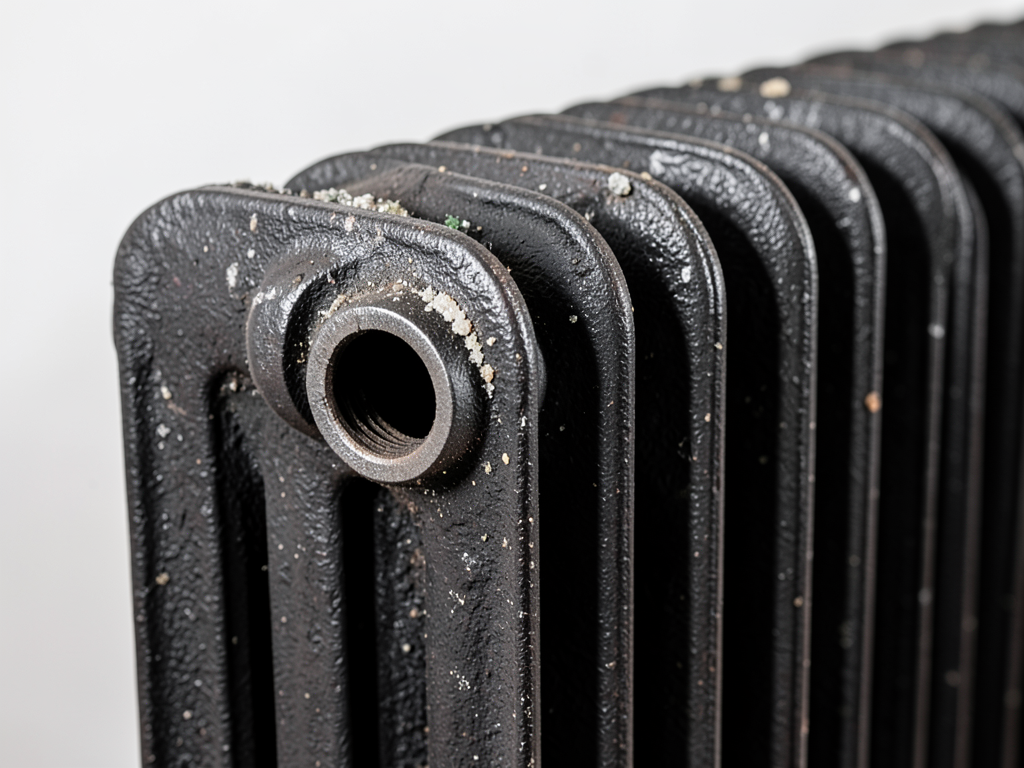
Inspect radiator connections for corrosion. White powdery deposits indicate galvanic corrosion between dissimilar metals. Clean these areas with a wire brush and apply anti-seize compound to prevent further deterioration.
When to Call a Steam Heat Specialist
Call immediately if you smell gas near your boiler. Natural gas has no odor naturally utilities add mercaptan for leak detection. A gas smell indicates a dangerous leak requiring emergency shutdown and professional repair. Who to Call When You Need an Emergency Plumber in Georgetown Right Away.
Water pooling around your boiler signals serious problems. This could mean a failing pressure relief valve leaking heat exchanger or condensate pump failure. Turn off the system and call a specialist before extensive water damage occurs.
Persistent banging that continues after the system reaches operating temperature suggests water trapped in supply lines. This condition strains pipes and radiators potentially causing catastrophic failure. The noise itself indicates energy waste and uncomfortable heating.
If some radiators never get hot while others scorch your system needs professional balancing. This involves adjusting vent sizes checking pipe pitch and possibly reconfiguring the supply manifold. DIY attempts often worsen the imbalance.
Annual professional inspection prevents emergency breakdowns. A qualified technician checks combustion efficiency tests safety controls inspects heat exchanger integrity and verifies proper venting. This service typically costs $150-300 but prevents thousands in water damage repairs.
Steam System Upgrades for Cathedral Heights Apartments
Modern thermostatic radiator valves TRVs offer zone control without major system changes. These self-regulating valves maintain room temperature by modulating steam flow. Installation requires only replacing the manual vent with a TRV body.
Programmable boiler controls reduce energy waste in buildings with varying occupancy. These controllers adjust firing cycles based on outdoor temperature and learned usage patterns. Many Cathedral Heights buildings achieve 15-20% fuel savings with proper controls.
Insulating steam pipes in unconditioned spaces prevents heat loss and reduces burn risks. Use fiberglass pipe insulation rated for high temperatures. Pay special attention to pipes in basements where Cathedral Heights buildings often have poor thermal separation. Don’t Let Your Basement Flood—Expert Sump Pump Repair and Maintenance in Northwest DC.
Upgrading main vents accelerates system heating and improves balance. Modern vent designs handle higher air volumes than century-old originals. This single upgrade often resolves chronic imbalance issues in older buildings.
Consider a boiler replacement if yours is over 25 years old. Modern high-efficiency boilers achieve 82-85% efficiency versus 60-70% for older units. The DC Department of Energy and Environment offers rebates for qualifying efficiency upgrades.
Historic Preservation Considerations
Cathedral Heights falls within Washington DC’s historic preservation guidelines. Any visible modifications to steam systems require approval from the Historic Preservation Office. This includes radiator replacements pipe relocations and boiler installations.
Cast iron radiators often qualify as contributing features to historic character. Replacement with modern panel radiators typically requires HPO review. Some owners successfully argue that maintaining functional heating systems preserves the building’s intended use.
Exposed steam pipes in older apartments represent original construction methods. Covering or relocating these pipes affects the building’s historic integrity. Work with preservation architects to find solutions that maintain both function and character.
Energy efficiency upgrades must balance modern performance with preservation goals. Window inserts door seals and attic insulation often provide better returns than altering historic mechanical systems. The DC Historic Preservation Office provides guidelines for acceptable energy improvements.
Cost Factors for Steam Heat Services
| Service Type | Typical Cost Range | Frequency |
|---|---|---|
| Diagnostic Service Call | $125-200 | One-time |
| Air Vent Replacement | $15-40 per vent | Every 5-7 years |
| Boiler Service | $180-320 | Annually |
| Radiator Valve Rebuild | $75-150 per valve | Every 15-20 years |
| Emergency Service | $250-400 minimum | As needed |
Frequently Asked Questions
Why does my radiator make knocking sounds when the heat turns on
Banging indicates water hammer condensed steam trapped in pipes due to improper pitch or clogged vents. The trapped water creates shock waves when new steam pushes against it. This damages pipes over time and wastes energy.
How often should I replace steam radiator air vents
Replace standard air vents every 5-7 years in hard water areas like DC. Thermostatic vents last 10-15 years but cost more initially. Annual cleaning extends vent life but cannot restore full functionality once mineral deposits accumulate.
Can I paint my cast iron radiators
Yes but use high-heat radiator paint rated for 200+°F. Standard paint cracks and peels from thermal cycling. Remove radiators before painting for best results though this requires system draining and professional reinstallation.
Why is one room always colder than others
Cold spots result from air trapped in supply pipes clogged vents or improper pipe pitch. The radiator nearest the boiler often gets too much steam while distant ones starve. Professional balancing requires adjusting vent sizes and possibly reconfiguring supply piping.
How much does steam heat maintenance cost annually
Annual maintenance for a typical Cathedral Heights apartment system costs $200-400. This includes boiler service vent inspection and minor adjustments. Older systems or those with chronic issues may require $500-800 in annual upkeep.
Living Comfortably with Steam Heat
Steam heat in Cathedral Heights requires patience and specialized knowledge. These systems operate on principles different from modern forced-air or hot water heating. Understanding the basics helps you communicate effectively with technicians and recognize problems early.
Keep a log of system behavior throughout the heating season. Note when banging starts which radiators run hot or cold and any water sightings. This information helps technicians diagnose issues quickly and accurately.
Build a relationship with a steam heat specialist before emergencies occur. Many Cathedral Heights buildings have unique quirks that require familiarity. A technician who knows your building’s history provides better service than one seeing it for the first time.
Consider joining your building’s maintenance committee if one exists. Steam systems in multi-unit buildings require coordinated maintenance decisions. Your input helps ensure the entire building’s heating system receives proper care.
Remember that steam heat while quirky provides reliable warmth when properly maintained. The occasional noise or cold spot becomes manageable once you understand the system’s operation. Your Cathedral Heights apartment’s steam heat has served residents for decades with proper care it will continue doing so for many more.
Call (771) 223-8111 today to schedule your steam system inspection. Don’t wait for the first cold snap to discover problems with your heating system.
{
“@context”: “https://schema.org”,
“@type”: “BlogPosting”,
“headline”: “Managing the Quirks of Steam Heat in Older Cathedral Heights Apartments”,
“description”: “Expert steam heat repair for Cathedral Heights apartments. Diagnose banging pipes, uneven heating, and boiler issues with DC-licensed technicians.”,
“wordCount”: 1804,
“datePublished”: “2026-03-26T11:07:00.000Z”,
“dateModified”: “2026-03-26T11:07:00.000Z”,
“inLanguage”: “en-US”,
“mainEntityOfPage”: {
“@type”: “WebPage”,
“@id”: “https://crestlineplumbingwashingtondc.com”
},
“publisher”: {
“@type”: “LocalBusiness”,
“name”: “Crestline Plumbing Washington DC”,
“url”: “https://crestlineplumbingwashingtondc.com”
},
“author”: {
“@type”: “Organization”,
“name”: “Crestline Plumbing Washington DC”,
“url”: “https://crestlineplumbingwashingtondc.com”
},
“image”: {
“@type”: “ImageObject”,
“url”: “https://crestlineplumbingwashingtondc.com/wp-content/uploads/2026/03/managing-the-quirks-of-steam-heat-in-older-cathedr-1.png”
}
}
{
“@context”: “https://schema.org”,
“@type”: “Plumber”,
“name”: “Crestline Plumbing Washington DC”,
“url”: “https://crestlineplumbingwashingtondc.com”,
“address”: {
“@type”: “PostalAddress”,
“addressLocality”: “Washington DC”
},
“areaServed”: {
“@type”: “City”,
“name”: “Washington DC”
}
}
{
“@context”: “https://schema.org”,
“@type”: “BreadcrumbList”,
“itemListElement”: [
{
“@type”: “ListItem”,
“position”: 1,
“name”: “Home”,
“item”: “https://crestlineplumbingwashingtondc.com”
},
{
“@type”: “ListItem”,
“position”: 2,
“name”: “Blog”,
“item”: “https://crestlineplumbingwashingtondc.com/blog”
},
{
“@type”: “ListItem”,
“position”: 3,
“name”: “Managing the Quirks of Steam Heat in Older Cathedral Heights Apartments”
}
]
}
{
“@context”: “https://schema.org”,
“@type”: “Service”,
“serviceType”: “Plumbing”,
“provider”: {
“@type”: “LocalBusiness”,
“name”: “Crestline Plumbing Washington DC”,
“url”: “https://crestlineplumbingwashingtondc.com”
},
“areaServed”: {
“@type”: “City”,
“name”: “Washington DC”
},
“description”: “Expert steam heat repair for Cathedral Heights apartments. Diagnose banging pipes, uneven heating, and boiler issues with DC-licensed technicians.”
}