
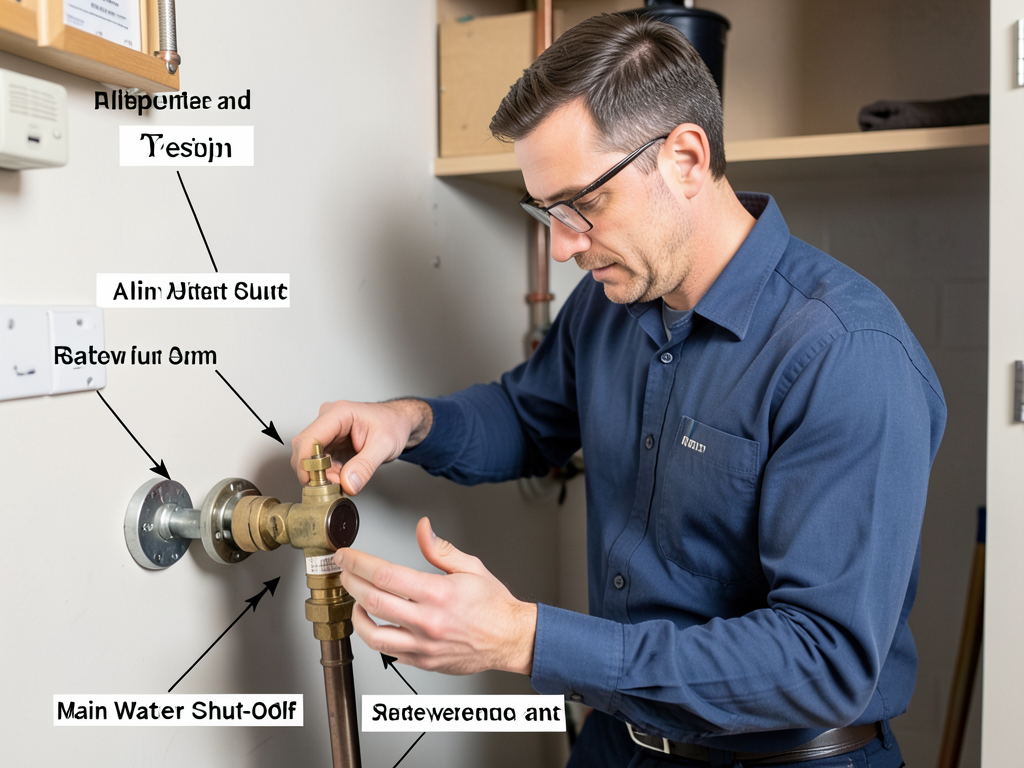
Locating and Testing Your Main Water Shut-Off Valve in Your West End Condo
Your main water shut-off valve is your first line of defense against catastrophic water damage in your West End condo. When a pipe bursts or a major leak occurs, knowing exactly where this valve is located and how to operate it can save you thousands of dollars in potential damage. In this comprehensive guide, we’ll walk you through everything you need to know about locating, testing, and maintaining your main water shut-off valve specifically for West End condo owners. Emergency Water Shut-Off Service.
Why Your Main Water Shut-Off Valve Matters in Washington DC
West End condos, like many buildings in Washington DC, often have unique plumbing configurations due to the area’s historic development patterns. Many buildings in this neighborhood were constructed between the 1960s and 1980s, featuring plumbing systems that may be approaching the end of their serviceable life. The main water shut-off valve serves as your emergency control point, allowing you to stop water flow throughout your entire unit when needed. DC Water and Sewer Authority.
According to the DC Water and Sewer Authority (DC Water), property owners are responsible for all plumbing on their side of the water meter. This includes the main shut-off valve that controls water entering your condo. In multi-unit buildings like those common in West End, this valve is typically located where the main water line enters your specific unit, not at a building-wide location. Common Plumbing Problems in Historic Capitol Hill Rowhouses (and How We Fix Them).
DC’s building code (17 DCMR Plumbing Code, based on the International Plumbing Code) requires that all residential units have a readily accessible main shut-off valve. However, in older West End buildings, these valves may be hidden in utility closets, behind access panels, or in less obvious locations due to renovations over the years.
Common Locations for Main Water Shut-Off Valves in West End Condos
Finding your main water shut-off valve requires some detective work, as locations vary significantly between buildings. Here are the most common spots where you’ll find these valves in West End condos:
- Check Utility Closets
Many West End condos have utility closets near the front entrance or in hallways. Look for a valve on the main water pipe, typically near where it enters your unit.
- Inspect Under Kitchen Sinks
Some condos have the main shut-off valve located in the cabinet under the kitchen sink, especially in smaller units where space is at a premium.
- Look in Bathroom Cabinets
Similar to kitchen locations, bathroom vanities sometimes house the main shut-off valve, particularly in one-bedroom or studio units.
- Check Laundry Areas
If your condo has an in-unit washer and dryer, the main valve might be located in or near the laundry area.
- Examine Mechanical Rooms
In larger units or those with more complex plumbing systems, the valve may be in a dedicated mechanical room or closet.
According to DC Water, if you cannot locate your main shut-off valve, you should contact your building management or a licensed plumber for assistance. Never force open access panels or remove building components to search for the valve, as this could damage building systems or violate your lease agreement. Who to Call When You Need an Emergency Plumber in Georgetown Right Away.
How to Test Your Main Water Shut-Off Valve
Once you’ve located your main water shut-off valve, testing it is crucial to ensure it will work when you need it most. Here’s how to test your valve safely: Safely Installing New Gas Lines for Your DC Kitchen Remodel.
Step 1: Visual Inspection
Before testing, examine the valve for any visible signs of corrosion, mineral buildup, or damage. The valve should be a gate valve (wheel-style) or ball valve (lever-style). Ball valves are preferred in modern plumbing as they are more reliable and easier to operate.
Step 2: Turn Off the Valve
If you have a gate valve, turn the wheel clockwise until it stops. For a ball valve, turn the lever 90 degrees so it’s perpendicular to the pipe. If the valve is difficult to turn or feels stuck, do not force it. This could indicate the need for professional repair.
Step 3: Check Water Flow
After turning off the valve, test water flow at several fixtures throughout your condo. Turn on faucets, flush toilets, and run the shower to confirm that water has stopped flowing. If water continues to flow, your valve may be failing and requires immediate attention.
Step 4: Document the Process
Take photos of the valve’s location and how it operates. Share this information with family members or anyone who might need to use it in an emergency. Consider labeling the valve with clear instructions.
According to the International Association of Plumbing and Mechanical Officials (IAPMO) standards, main shut-off valves should be tested annually to ensure proper operation. In DC’s humid climate, mineral buildup and corrosion can occur more rapidly, making regular testing even more important.
Common Problems with West End Condo Shut-Off Valves
West End condo owners often encounter specific issues with their main water shut-off valves. Understanding these common problems can help you identify when professional service is needed:
Stuck Valves
Due to age and lack of use, many valves in West End buildings become stuck in the open position. This is particularly common in buildings constructed before 1980, where gate valves were the standard. Forcing a stuck valve can cause it to break, potentially creating a worse situation.
Corrosion and Mineral Buildup
DC’s water, while safe to drink, contains minerals that can accumulate inside valves over time. This buildup can prevent proper operation and eventually cause valve failure. The humid DC climate also accelerates corrosion on metal components.
Leaking Valves
Even small leaks around the valve stem or body can indicate internal seal failure. In multi-story West End buildings, a leaking valve can cause water damage to units below, making prompt repair essential.
Inaccessible Valves
Some West End condos have valves located in difficult-to-reach areas due to renovations or space constraints. If you cannot easily access your valve, consider having a plumber relocate it to a more accessible location.
Wrong Valve Type
Older buildings may still have gate valves, which are more prone to failure than modern ball valves. Gate valves can become stuck or fail to fully close, allowing water to continue flowing even when turned off.
When to Call a Professional Plumber
While testing your valve is a homeowner responsibility, certain situations require professional intervention. Here’s when you should call a licensed plumber in Washington DC:
- Your valve is stuck and won’t turn
- You notice water leaking around the valve
- The valve feels loose or wobbly
- You discover corrosion or mineral buildup
- You need to replace an old gate valve with a modern ball valve
- You want to relocate the valve to a more accessible location
- You’re planning renovations that affect plumbing
According to DC Water regulations, any work on the customer-side plumbing requires a permit from the District Department of Buildings (DOB). Licensed plumbers can obtain these permits and ensure all work complies with local codes.
Professional plumbers can also perform more advanced testing, such as pressure testing the valve and surrounding pipes to identify potential issues that aren’t visible to the untrained eye. This is particularly valuable in West End buildings where plumbing systems may be interconnected in complex ways.
Emergency Procedures for West End Condo Owners
Even with a properly functioning main shut-off valve, emergencies can happen. Here’s what to do if you experience a major water leak in your West End condo:
Immediate Steps
1. Locate and turn off your main water shut-off valve
2. If the valve doesn’t work or you can’t find it, contact your building management immediately
3. For severe leaks, also turn off electricity to affected areas at your circuit breaker
4. Document the damage with photos for insurance purposes
5. Contact a licensed emergency plumber
Building-Wide Emergencies
In multi-unit buildings, a major leak in one unit can affect others. If you notice water coming from ceilings, walls, or light fixtures in areas other than your unit, the problem may be building-wide. In this case:
- Contact building management immediately
- Evacuate the area if electrical hazards are present
- Follow building emergency protocols
Prevention Strategies
Regular maintenance can prevent many emergencies. Consider installing water leak detectors near your main valve and in areas prone to leaks. These devices can alert you to problems before they become major emergencies.
For West End condo owners, it’s also wise to know your building’s emergency contact procedures and keep a list of trusted local plumbers who are familiar with the unique plumbing systems in DC’s older buildings. Emergency Sump Pump Failure.
Cost Considerations for Valve Repair and Replacement
The cost of repairing or replacing a main water shut-off valve in Washington DC varies based on several factors. Here’s what influences pricing in the West End area:
| Factor | Impact on Cost | Typical Range |
|---|---|---|
| Valve Type | Ball valves cost more but last longer | $150-$300 |
| Accessibility | Hard-to-reach valves require more labor | $200-$500 |
| Building Age | Older buildings may have complex plumbing | $250-$600 |
| Emergency Service | After-hours calls cost more | $350-$800 |
| Permit Requirements | DC permits add to overall cost | $50-$150 |
According to the Plumbing-Heating-Cooling Contractors Association (PHCC), while DIY valve replacement might seem cost-effective, the risks of improper installation in DC’s older buildings often lead to higher costs in the long run. Professional installation ensures compliance with local codes and proper function. Plumbing-Heating-Cooling Contractors Association.
Many West End condo owners find that investing in a quality ball valve replacement, while more expensive upfront, provides better reliability and peace of mind. The cost difference between a basic gate valve and a professional-grade ball valve is typically $100-$200, but the improved reliability is often worth the investment.
Frequently Asked Questions
Where is the main water shut-off valve typically located in West End condos?
Main water shut-off valves in West End condos are commonly found in utility closets, under kitchen sinks, in bathroom cabinets, near laundry areas, or in mechanical rooms. The exact location varies by building and unit configuration.
How often should I test my main water shut-off valve?
DC Water and plumbing professionals recommend testing your main water shut-off valve at least once per year. More frequent testing may be necessary in older buildings or if you notice any issues with the valve’s operation.
What should I do if my valve is stuck?
If your valve is stuck and won’t turn, do not force it as this could cause damage. Contact a licensed plumber who can safely repair or replace the valve. Forcing a stuck valve often leads to more expensive repairs.
Can I replace my main water shut-off valve myself?
While technically possible, DIY valve replacement is not recommended in Washington DC. The work requires permits from the District Department of Buildings, and improper installation can lead to code violations, water damage, and insurance issues.
How much does it cost to replace a main water shut-off valve in DC?
Professional valve replacement in Washington DC typically costs between $250 and $600, depending on the valve type, accessibility, building age, and whether permits are required. Emergency service calls cost more.
Protecting Your West End Investment
Your West End condo represents a significant investment, and protecting it from water damage should be a top priority. A properly functioning main water shut-off valve is your first line of defense against costly water emergencies.
According to the Insurance Information Institute, water damage is one of the most common and expensive claims for condo owners. Regular valve maintenance and testing can significantly reduce your risk of experiencing a major water emergency.
For West End residents, the combination of older building infrastructure and the high cost of property damage in this desirable neighborhood makes valve maintenance particularly important. The peace of mind that comes from knowing your valve works properly is well worth the modest investment in testing and maintenance.
Remember that in DC’s humid climate, plumbing components can deteriorate more quickly than in other regions. The freeze-thaw cycles we experience in winter, combined with summer humidity, create conditions that can accelerate valve corrosion and failure.
By taking the time to locate, test, and maintain your main water shut-off valve, you’re taking a crucial step in protecting your West End home. Whether you’re a long-time resident or new to the neighborhood, this simple maintenance task can save you from the stress and expense of a major water emergency.
Don’t wait until an emergency strikes to discover problems with your main water shut-off valve. Take action today to ensure your valve is ready when you need it most.
Call (771) 223-8111 today to schedule your valve inspection and testing. Our licensed plumbers know the unique plumbing systems in West End condos and can ensure your main shut-off valve is functioning properly.
Pick up the phone and call (771) 223-8111 before the next storm hits. Don’t let a simple valve failure turn into a costly disaster in your West End home.
{
“@context”: “https://schema.org”,
“@type”: “BlogPosting”,
“headline”: “Locating and Testing Your Main Water Shut-Off Valve in Your West End Condo”,
“description”: “Learn where your main water shut-off valve is located in your West End condo and how to test it. Essential guide for DC condo owners to prevent water damage emergencies.”,
“wordCount”: 2170,
“datePublished”: “2026-03-23T11:09:00.000Z”,
“dateModified”: “2026-03-23T11:09:00.000Z”,
“inLanguage”: “en-US”,
“mainEntityOfPage”: {
“@type”: “WebPage”,
“@id”: “https://crestlineplumbingwashingtondc.com”
},
“publisher”: {
“@type”: “LocalBusiness”,
“name”: “Crestline Plumbing Washington DC”,
“url”: “https://crestlineplumbingwashingtondc.com”
},
“author”: {
“@type”: “Organization”,
“name”: “Crestline Plumbing Washington DC”,
“url”: “https://crestlineplumbingwashingtondc.com”
},
“image”: {
“@type”: “ImageObject”,
“url”: “https://crestlineplumbingwashingtondc.com/wp-content/uploads/2026/03/locating-and-testing-your-main-water-shut-off-valv-1.png”
}
}
{
“@context”: “https://schema.org”,
“@type”: “Plumber”,
“name”: “Crestline Plumbing Washington DC”,
“url”: “https://crestlineplumbingwashingtondc.com”,
“address”: {
“@type”: “PostalAddress”,
“addressLocality”: “Washington DC”
},
“areaServed”: {
“@type”: “City”,
“name”: “Washington DC”
}
}
{
“@context”: “https://schema.org”,
“@type”: “FAQPage”,
“mainEntity”: [
{
“@type”: “Question”,
“name”: “Where is the main water shut-off valve typically located in West End condos?”,
“acceptedAnswer”: {
“@type”: “Answer”,
“text”: “Main water shut-off valves in West End condos are commonly found in utility closets, under kitchen sinks, in bathroom cabinets, near laundry areas, or in mechanical rooms. The exact location varies by building and unit configuration.”
}
},
{
“@type”: “Question”,
“name”: “How often should I test my main water shut-off valve?”,
“acceptedAnswer”: {
“@type”: “Answer”,
“text”: “DC Water and plumbing professionals recommend testing your main water shut-off valve at least once per year. More frequent testing may be necessary in older buildings or if you notice any issues with the valve’s operation.”
}
},
{
“@type”: “Question”,
“name”: “What should I do if my valve is stuck?”,
“acceptedAnswer”: {
“@type”: “Answer”,
“text”: “If your valve is stuck and won’t turn, do not force it as this could cause damage. Contact a licensed plumber who can safely repair or replace the valve. Forcing a stuck valve often leads to more expensive repairs.”
}
},
{
“@type”: “Question”,
“name”: “Can I replace my main water shut-off valve myself?”,
“acceptedAnswer”: {
“@type”: “Answer”,
“text”: “While technically possible, DIY valve replacement is not recommended in Washington DC. The work requires permits from the District Department of Buildings, and improper installation can lead to code violations, water damage, and insurance issues.”
}
},
{
“@type”: “Question”,
“name”: “How much does it cost to replace a main water shut-off valve in DC?”,
“acceptedAnswer”: {
“@type”: “Answer”,
“text”: “Professional valve replacement in Washington DC typically costs between $250 and $600, depending on the valve type, accessibility, building age, and whether permits are required. Emergency service calls cost more.”
}
}
]
}
{
“@context”: “https://schema.org”,
“@type”: “HowTo”,
“name”: “How to Locate Your Main Water Shut-Off Valve”,
“step”: [
{
“@type”: “HowToStep”,
“position”: 1,
“name”: “Check Utility Closets”,
“text”: “Many West End condos have utility closets near the front entrance or in hallways. Look for a valve on the main water pipe, typically near where it enters your unit.”
},
{
“@type”: “HowToStep”,
“position”: 2,
“name”: “Inspect Under Kitchen Sinks”,
“text”: “Some condos have the main shut-off valve located in the cabinet under the kitchen sink, especially in smaller units where space is at a premium.”
},
{
“@type”: “HowToStep”,
“position”: 3,
“name”: “Look in Bathroom Cabinets”,
“text”: “Similar to kitchen locations, bathroom vanities sometimes house the main shut-off valve, particularly in one-bedroom or studio units.”
},
{
“@type”: “HowToStep”,
“position”: 4,
“name”: “Check Laundry Areas”,
“text”: “If your condo has an in-unit washer and dryer, the main valve might be located in or near the laundry area.”
},
{
“@type”: “HowToStep”,
“position”: 5,
“name”: “Examine Mechanical Rooms”,
“text”: “In larger units or those with more complex plumbing systems, the valve may be in a dedicated mechanical room or closet.”
}
],
“image”: “https://crestlineplumbingwashingtondc.com/wp-content/uploads/2026/03/locating-and-testing-your-main-water-shut-off-valv-1.png”
}
{
“@context”: “https://schema.org”,
“@type”: “BreadcrumbList”,
“itemListElement”: [
{
“@type”: “ListItem”,
“position”: 1,
“name”: “Home”,
“item”: “https://crestlineplumbingwashingtondc.com”
},
{
“@type”: “ListItem”,
“position”: 2,
“name”: “Blog”,
“item”: “https://crestlineplumbingwashingtondc.com/blog”
},
{
“@type”: “ListItem”,
“position”: 3,
“name”: “Locating and Testing Your Main Water Shut-Off Valve in Your West End Condo”
}
]
}
{
“@context”: “https://schema.org”,
“@type”: “Service”,
“serviceType”: “Plumbing”,
“provider”: {
“@type”: “LocalBusiness”,
“name”: “Crestline Plumbing Washington DC”,
“url”: “https://crestlineplumbingwashingtondc.com”
},
“areaServed”: {
“@type”: “City”,
“name”: “Washington DC”
},
“description”: “Learn where your main water shut-off valve is located in your West End condo and how to test it. Essential guide for DC condo owners to prevent water damage emergencies.”
}