
How to Read Your DC Water Meter to Spot Underground Leaks in Kingman Park
Finding an unexpected spike in your water bill can be alarming, especially in Kingman Park where many homes have aging plumbing systems. Before calling a plumber, you can use your DC water meter to check for underground leaks yourself. This guide walks you through the process step by step, helping you determine if you have a hidden leak or if the spike might be due to something else. DC Water official website.
Understanding Your DC Water Meter
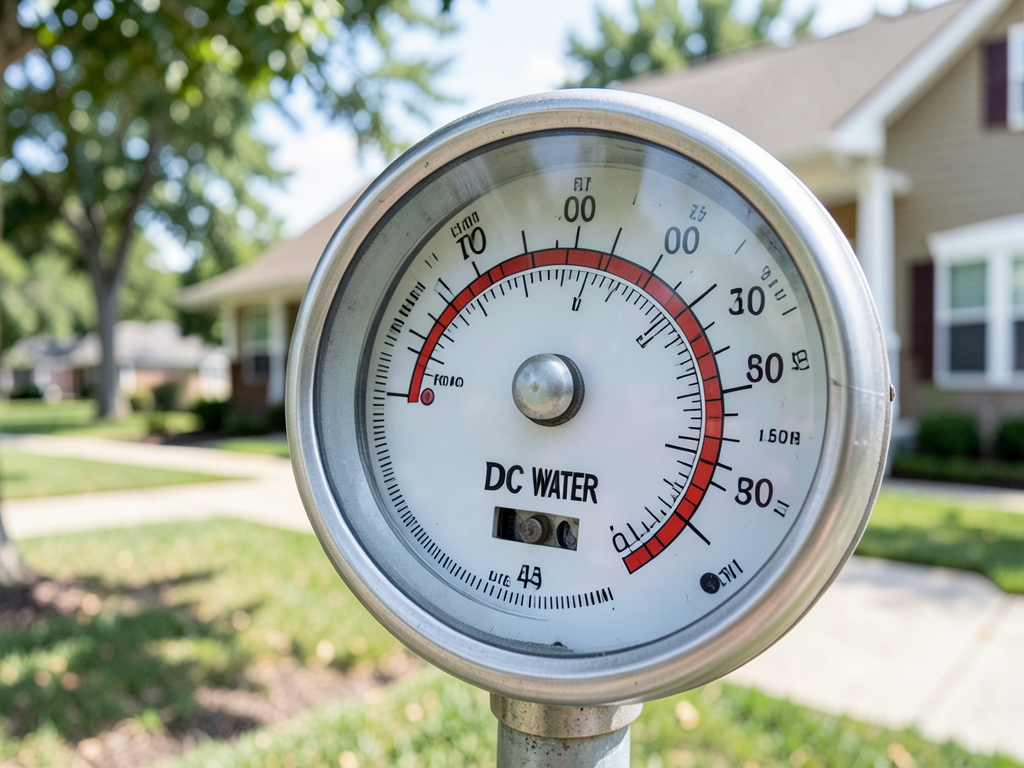
DC Water uses two main types of meters in Kingman Park homes: traditional analog meters and newer digital iPERL meters. Both work differently but can help you detect leaks. Emergency Water Shut-Off Service.
Analog meters have a small triangular dial or wheel that spins when water flows through the system. Even a tiny leak will cause this dial to move continuously.
Digital iPERL meters display a numeric reading and often have a leak indicator symbol (usually a faucet icon) that appears when continuous water flow is detected for more than 60 minutes.

Step-by-Step Leak Detection Using Your Meter
- Locate Your Meter
Most Kingman Park homes have meters in the basement near the front wall or in a meter pit outside near the street. The meter box usually has a metal or plastic cover. Don’t Let Your Basement Flood—Expert Sump Pump Repair and Maintenance in Northwest DC.
- Turn Off All Water
Before checking, ensure no water is being used anywhere in your home. Turn off all faucets, stop the dishwasher and washing machine, and make sure no toilets are running.. Read more about Why a Water Pressure Reducing Valve is Essential for Your Penn Quarter Home.
- Check the Meter
For analog meters, watch the small triangular dial for at least 2-3 minutes. If it moves, water is flowing somewhere. For digital meters, look for the leak indicator symbol.
- Take a Reading
Write down the current meter reading including all numbers. Wait 2 hours without using any water, then check the reading again. If the numbers have changed, you have a leak.
Common Leak Locations in Kingman Park Homes
Kingman Park’s mix of historic and mid-century homes presents unique plumbing challenges. The neighborhood’s aging infrastructure and clay soil conditions create specific vulnerabilities. Common Plumbing Problems in Historic Capitol Hill Rowhouses (and How We Fix Them).
Underground service line leaks are particularly common in this area. The clay soil in Northeast DC expands and contracts with moisture changes, putting stress on buried pipes. A small crack in your service line between the street and your home can waste thousands of gallons before you notice.
Leaking toilet flappers account for about 90% of indoor residential leaks in DC. Even a silent leak can waste 200 gallons per day. The food coloring test (placing dye in the tank and waiting 15 minutes to see if it appears in the bowl) is an effective diagnostic tool.
Outdoor spigot leaks often go unnoticed during winter months. Frost-free hose bibs can crack from freeze-thaw cycles common in DC’s climate, creating slow leaks that only show up on your meter.
DC Water’s Leak Detection Resources
DC Water offers several programs to help customers identify and address leaks. The High Usage Notification Alert (HUNA) program sends alerts when your water usage spikes unexpectedly. You can sign up for this free service online.
The utility also provides a leak cost calculator on their website to estimate how much a leak might be costing you. For example, a toilet leak dripping at one drop per second can waste over 3,000 gallons per month.
When to Call a Professional Plumber
If your meter test shows a leak but you cannot locate the source, it’s time to call a licensed DC plumber. Some signs indicate you need immediate professional help: Who to Call When You Need an Emergency Plumber in Georgetown Right Away.
- Water pooling in your yard when it hasn’t rained
- Damp spots on basement floors or walls
- Unusual sounds of running water when all fixtures are off
- Consistently high bills even after fixing visible leaks
Professional plumbers use specialized equipment like acoustic leak detectors and thermal imaging cameras to pinpoint underground leaks without destructive digging. This technology can save you hundreds in repair costs by targeting the exact location. EPA WaterSense leak detection resources.
Kingman Park’s Unique Plumbing Challenges
Kingman Park’s location near the Anacostia River and its mix of housing ages create specific plumbing vulnerabilities. Many homes in the 20019 zip code were built between 1940 and 1970 with galvanized steel pipes that corrode from the inside out.
The neighborhood’s clay soil retains moisture, which can accelerate pipe corrosion and create ground movement that stresses buried plumbing. During heavy rains, the high water table can cause pressure changes in underground pipes, potentially worsening small cracks.
According to DC Water data, homes in Kingman Park experience service line failures at a rate 15% higher than the District average, primarily due to the combination of pipe age and soil conditions. Emergency Sump Pump Failure.
Preventing Future Leaks
After addressing any current leaks, consider these preventive measures for your Kingman Park home:
- Replace aging galvanized pipes with PEX or copper before they fail
- Install pressure-reducing valves if your home experiences pressure surges
- Schedule annual plumbing inspections to catch developing issues early
- Consider trenchless pipe repair technology for minimal disruption
DC Water’s Service Line Protection Program covers repairs to the portion of pipe between your home and the street, which is often where underground leaks occur. This voluntary program can save you thousands if a major line fails.
Cost Implications of Underground Leaks
A small underground leak can cost you significantly. DC Water’s current rates are approximately $4.51 per 100 cubic feet (748 gallons). A leak wasting just 10 gallons per hour would cost about $53 per month in wasted water alone.
Add to that the Clean Rivers Impervious Area Charge (IAC) that DC Water applies based on your property’s impervious surface area. This charge is separate from your water usage and funds the city’s combined sewer overflow control program.
Beyond water costs, underground leaks can cause foundation damage, create mold conditions, and waste a precious resource. The EPA estimates that household leaks waste nearly 1 trillion gallons of water annually nationwide.
Frequently Asked Questions
How accurate is the meter test for finding leaks?
The meter test is highly accurate for detecting continuous water flow. If your meter shows movement during the test, you have a leak somewhere in your system. The challenge is often locating the exact source.
Can I get a credit from DC Water for a leak?
Yes, DC Water offers leak adjustments if you can demonstrate that a repaired leak caused an unusually high bill. You must submit a leak adjustment form along with repair documentation within 60 days of the high bill.
What’s the difference between my responsibility and DC Water’s responsibility?
DC Water maintains the water main in the street. Homeowners are responsible for the service line from the main to the house and all indoor plumbing. This means you’re responsible for most underground leaks affecting your property.
How long does professional leak detection take?
Most residential leak detection appointments take 1-2 hours. Simple leaks can often be located within 30 minutes using acoustic equipment. Complex cases involving multiple potential sources may take longer.
Take Action Today
If your meter test indicates a leak or you notice any signs of water damage in your Kingman Park home, don’t wait. Small leaks become big problems quickly, especially in older homes with aging infrastructure.
Call (771) 223-8111 today to schedule your inspection. Our licensed DC plumbers use advanced leak detection technology to find and fix problems fast, saving you money and preventing property damage.
Pick up the phone and call (771) 223-8111 before the next storm hits. Kingman Park’s clay soil and aging pipes make quick action essential when you suspect a leak.
Remember: Early detection is the key to preventing costly water damage. Your DC water meter is your first line of defense against underground leaks. Use it regularly, especially if you notice any changes in your water bill or hear unusual sounds in your plumbing system.
{
“@context”: “https://schema.org”,
“@type”: “BlogPosting”,
“headline”: “How to Read Your DC Water Meter to Spot Underground Leaks in Kingman Park”,
“description”: “Learn how to read your DC water meter to detect underground leaks in Kingman Park homes. Our step-by-step guide helps you identify hidden water waste before it costs you hundreds.”,
“wordCount”: 1359,
“datePublished”: “2026-03-29T13:41:00.000Z”,
“dateModified”: “2026-03-29T13:41:00.000Z”,
“inLanguage”: “en-US”,
“mainEntityOfPage”: {
“@type”: “WebPage”,
“@id”: “https://crestlineplumbingwashingtondc.com”
},
“publisher”: {
“@type”: “LocalBusiness”,
“name”: “Crestline Plumbing Washington DC”,
“url”: “https://crestlineplumbingwashingtondc.com”
},
“author”: {
“@type”: “Organization”,
“name”: “Crestline Plumbing Washington DC”,
“url”: “https://crestlineplumbingwashingtondc.com”
},
“image”: {
“@type”: “ImageObject”,
“url”: “https://crestlineplumbingwashingtondc.com/wp-content/uploads/2026/03/how-to-read-your-dc-water-meter-to-spot-undergroun-1.png”
}
}
{
“@context”: “https://schema.org”,
“@type”: “Plumber”,
“name”: “Crestline Plumbing Washington DC”,
“url”: “https://crestlineplumbingwashingtondc.com”,
“address”: {
“@type”: “PostalAddress”,
“addressLocality”: “Washington DC”
},
“areaServed”: {
“@type”: “City”,
“name”: “Washington DC”
}
}
{
“@context”: “https://schema.org”,
“@type”: “FAQPage”,
“mainEntity”: [
{
“@type”: “Question”,
“name”: “How accurate is the meter test for finding leaks?”,
“acceptedAnswer”: {
“@type”: “Answer”,
“text”: “The meter test is highly accurate for detecting continuous water flow. If your meter shows movement during the test, you have a leak somewhere in your system. The challenge is often locating the exact source.”
}
},
{
“@type”: “Question”,
“name”: “Can I get a credit from DC Water for a leak?”,
“acceptedAnswer”: {
“@type”: “Answer”,
“text”: “Yes, DC Water offers leak adjustments if you can demonstrate that a repaired leak caused an unusually high bill. You must submit a leak adjustment form along with repair documentation within 60 days of the high bill.”
}
},
{
“@type”: “Question”,
“name”: “What’s the difference between my responsibility and DC Water’s responsibility?”,
“acceptedAnswer”: {
“@type”: “Answer”,
“text”: “DC Water maintains the water main in the street. Homeowners are responsible for the service line from the main to the house and all indoor plumbing. This means you’re responsible for most underground leaks affecting your property.”
}
},
{
“@type”: “Question”,
“name”: “How long does professional leak detection take?”,
“acceptedAnswer”: {
“@type”: “Answer”,
“text”: “Most residential leak detection appointments take 1-2 hours. Simple leaks can often be located within 30 minutes using acoustic equipment. Complex cases involving multiple potential sources may take longer.”
}
}
]
}
{
“@context”: “https://schema.org”,
“@type”: “HowTo”,
“name”: “How to Check for Leaks Using Your Water Meter”,
“step”: [
{
“@type”: “HowToStep”,
“position”: 1,
“name”: “Locate Your Meter”,
“text”: “Most Kingman Park homes have meters in the basement near the front wall or in a meter pit outside near the street. The meter box usually has a metal or plastic cover. Don’t Let Your Basement Flood—Expert Sump Pump Repair and Maintenance in Northwest DC.”
},
{
“@type”: “HowToStep”,
“position”: 2,
“name”: “Turn Off All Water”,
“text”: “Before checking, ensure no water is being used anywhere in your home. Turn off all faucets, stop the dishwasher and washing machine, and make sure no toilets are running.”
},
{
“@type”: “HowToStep”,
“position”: 3,
“name”: “Check the Meter”,
“text”: “For analog meters, watch the small triangular dial for at least 2-3 minutes. If it moves, water is flowing somewhere. For digital meters, look for the leak indicator symbol.”
},
{
“@type”: “HowToStep”,
“position”: 4,
“name”: “Take a Reading”,
“text”: “Write down the current meter reading including all numbers. Wait 2 hours without using any water, then check the reading again. If the numbers have changed, you have a leak.”
}
],
“image”: “https://crestlineplumbingwashingtondc.com/wp-content/uploads/2026/03/how-to-read-your-dc-water-meter-to-spot-undergroun-1.png”
}
{
“@context”: “https://schema.org”,
“@type”: “BreadcrumbList”,
“itemListElement”: [
{
“@type”: “ListItem”,
“position”: 1,
“name”: “Home”,
“item”: “https://crestlineplumbingwashingtondc.com”
},
{
“@type”: “ListItem”,
“position”: 2,
“name”: “Blog”,
“item”: “https://crestlineplumbingwashingtondc.com/blog”
},
{
“@type”: “ListItem”,
“position”: 3,
“name”: “How to Read Your DC Water Meter to Spot Underground Leaks in Kingman Park”
}
]
}
{
“@context”: “https://schema.org”,
“@type”: “Service”,
“serviceType”: “Plumbing”,
“provider”: {
“@type”: “LocalBusiness”,
“name”: “Crestline Plumbing Washington DC”,
“url”: “https://crestlineplumbingwashingtondc.com”
},
“areaServed”: {
“@type”: “City”,
“name”: “Washington DC”
},
“description”: “Learn how to read your DC water meter to detect underground leaks in Kingman Park homes. Our step-by-step guide helps you identify hidden water waste before it costs you hundreds.”
}