
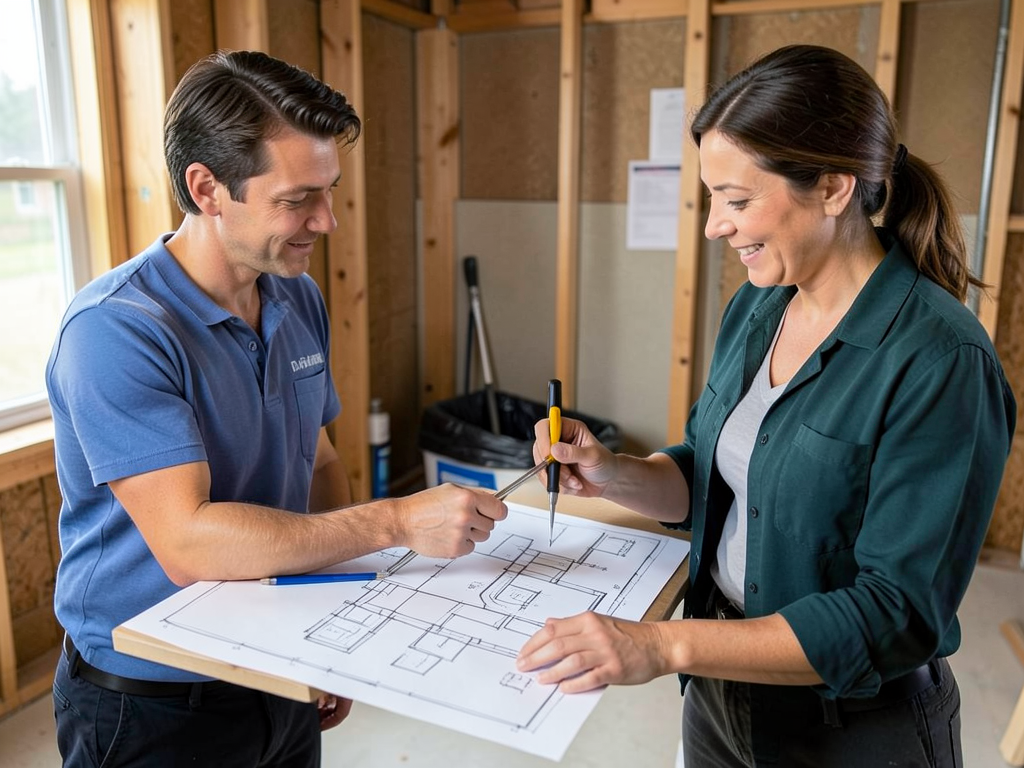
How to navigate DC plumbing permits for your basement renovation in Brookland
Planning a basement renovation in Brookland requires understanding DC plumbing permit requirements before breaking ground. The DC Department of Buildings mandates permits for most plumbing work beyond simple fixture replacements. This guide walks you through the permit process, costs, and inspection requirements specific to Brookland properties, helping you avoid costly delays and ensure code compliance. DC Department of Buildings plumbing permit information.
Understanding DC Plumbing Permit Requirements
DC plumbing permits fall under the Department of Buildings’ regulatory framework. Most basement renovations require permits because they involve modifying existing plumbing systems or adding new fixtures. The key distinction is between “ordinary repairs” that don’t need permits and “major work” that does. DC Water design review and approval requirements.
Ordinary repairs include replacing faucets, toilets, or shower valves without moving supply lines. However, installing new bathroom fixtures, relocating plumbing, or modifying drain lines in your Brookland basement requires a permit. The DC Municipal Regulations (DCMR) Title 12, Chapter 20 establishes these requirements. Common Plumbing Problems in Historic Capitol Hill Rowhouses (and How We Fix Them).
Brookland’s historic character adds complexity. Many homes near the Franciscan Monastery and Catholic University were built before 1950 with cast iron or galvanized piping. Replacing these systems often triggers permit requirements regardless of project scope. The DOB’s Tertia filing system manages these applications online through the Access DC portal.
Types of Plumbing Permits Available
The DC DOB offers several permit types for plumbing work. Understanding which applies to your Brookland basement project prevents application delays. Don’t Let Your Basement Flood—Expert Sump Pump Repair and Maintenance in Northwest DC.
Supplemental Plumbing Permits cover specific plumbing modifications within an existing structure. These work well for basement bathroom additions or laundry room installations where plumbing ties into existing systems. Building Permits with plumbing modifications apply when your renovation includes structural changes alongside plumbing work.
Postcard Permits provide expedited approval for minor plumbing repairs. However, most basement renovations exceed postcard permit limits. The fee structure varies significantly between permit types, with supplemental permits typically costing $250-500 for residential projects.
DC Water also requires separate approval for work affecting water service lines or sewer connections. Their Certificate of Approval process runs parallel to DOB permitting, often extending project timelines by 2-3 weeks. Emergency Water Shut-Off Service.
The DC DOB Application Process
Applying for a DC plumbing permit involves several steps through the Access DC portal. First, determine if your project requires a licensed Master Plumber to pull the permit. Most residential basement renovations do, as DC law restricts permit pulling to licensed professionals. Who to Call When You Need an Emergency Plumber in Georgetown Right Away.
The application requires detailed plans showing existing and proposed plumbing layouts. These must include pipe sizing, fixture locations, and venting configurations meeting International Plumbing Code standards with DC amendments. Brookland’s older homes often need structural assessments before DOB approves plumbing modifications.
Submit applications through the Tertia system, which tracks progress and flags missing information. The DOB typically processes standard permits within 5-10 business days. Expedited review costs extra but reduces processing to 2-3 days. Once approved, permits must be displayed at the work site.
During construction, DOB inspectors conduct rough-in inspections before walls close. They verify proper pipe installation, venting, and support systems. Final inspections confirm all work meets code before occupancy approval.
Cost and Fee Breakdown
DC plumbing permit fees depend on project scope and valuation. Base filing fees start around $75, with additional tech fees of $25-50. Permit-specific fees range from $250 for simple supplemental permits to $1,500+ for complex basement renovations.
Brookland’s older housing stock often requires additional inspections, increasing costs. Homes near the Rhode Island Avenue corridor built before 1940 may need lead testing, adding $150-300 to project expenses. The total permit cost typically represents 3-5% of your renovation budget.
Emergency permits for urgent repairs cost more but process faster. These suit situations like burst pipes or failed water heaters where immediate action prevents property damage. Standard processing takes 2-3 days versus same-day emergency issuance. Emergency Sump Pump Failure.
Additional fees include plan review charges ($50-200), inspection fees ($75-150 per visit), and potential re-inspection costs if work fails initial review. Budget these contingencies into your basement renovation planning.
Required Documentation and Inspections
Successful permit applications require specific documentation. You’ll need property tax records, contractor information, detailed plumbing plans, and sometimes engineering calculations for load-bearing modifications. Brookland’s historic district status may require additional HPRB approval for visible exterior changes.
The DOB inspection process includes multiple stages. Rough-in inspections verify underground and behind-wall plumbing before covering. This critical checkpoint ensures proper installation of waste lines, vents, and supply piping. Missing this inspection before closing walls results in costly rework.
Pressure testing confirms system integrity. Inspectors use air or water pressure to identify leaks in newly installed lines. Brookland’s clay soil conditions can stress underground connections, making thorough testing essential for long-term reliability.
Final inspections verify all fixtures function correctly and meet code requirements. Inspectors check for proper trap seals, adequate venting, and correct water pressure. They also verify backflow prevention devices where required by DC Water regulations.
Common Brookland Plumbing Challenges
Brookland’s unique characteristics create specific plumbing permit considerations. Many homes near the Monroe Street Market development have mature tree root intrusion in sewer lines. Permits for sewer line replacement must address root barrier installation and proper slope requirements.
High water table conditions affect basement renovations near the North Michigan Park area. Permits for below-grade plumbing must include sump pump requirements and French drain systems. The DOB may require engineered drainage plans for properties with historical flooding issues.
Older Brookland homes often have shared utility lines or unusual configurations from early 20th-century construction. These situations require detailed mapping and sometimes special permits. The DOB’s historic preservation office reviews plans for properties near the Brookland-CUA Metro station historic district.
Climate considerations also impact permitting. Brookland’s freeze-thaw cycles stress exterior plumbing components. Permits for outdoor spigots or irrigation systems must include freeze protection measures meeting current energy code requirements.
Working with Licensed Professionals
DC law requires licensed professionals for most plumbing permits. Master Plumbers must hold current DC licenses and carry appropriate insurance. Verify credentials through the Department of Licensing and Consumer Protection (DLCP) database before hiring contractors.
Experienced Brookland contractors understand local permit nuances. They know which properties need additional historic preservation reviews and how to navigate DOB’s electronic filing system efficiently. Their relationships with local inspectors often streamline the approval process.
Contractors should provide written contracts detailing permit responsibilities, inspection schedules, and compliance guarantees. These documents protect both parties and clarify expectations for the basement renovation timeline.. Read more about Should you add a pot filler to your kitchen remodel in Bloomingdale?.
Communication with your contractor proves essential. They should explain permit requirements, keep you informed about inspection results, and address any compliance issues promptly. Regular updates prevent surprises and keep your renovation on schedule.
Timeline Expectations and Planning
Permit processing times vary by season and project complexity. Summer months see increased demand, extending standard processing to 10-15 business days. Plan your Brookland basement renovation timeline accordingly, adding 3-4 weeks for permitting before construction begins.
Emergency permits process faster but still require documentation review. Budget at least 24-48 hours for emergency approvals, even for urgent situations. Having pre-approved plans on file speeds this process significantly.
Inspection scheduling affects overall project duration. DOB inspectors typically need 2-3 days advance notice. Backlogs during peak construction seasons can extend this to a week or more. Build these delays into your renovation schedule.
Brookland’s specific characteristics may extend timelines. Properties requiring HPRB review add 2-3 weeks to the process. Complex projects needing engineering calculations or special inspections might require 6-8 weeks total for complete permitting.
Permit Compliance and Best Practices
Maintaining permit compliance protects your investment. Keep all permits visible at the work site and available for inspector review. Document all inspections and keep copies of approval notices for your records.
Never proceed with work before permit approval. Starting construction without permits risks stop-work orders, fines up to $5,000, and mandatory removal of completed work. The DOB enforces these penalties strictly in the District.
Address inspection failures immediately. Common issues include improper venting, inadequate pipe support, or missing backflow preventers. Have your contractor correct these problems quickly to avoid project delays.
Consider permit expediting services for complex projects. These professionals navigate DOB requirements efficiently, potentially saving weeks on your renovation timeline. Their fee typically ranges from $500-2,000 depending on project complexity.
Brookland-Specific Permit Resources
Several resources assist Brookland residents with plumbing permits. The Brookland Neighborhood Civic Association provides guidance on historic preservation requirements. Their monthly meetings often feature DOB representatives discussing permit processes.
DC’s 311 service helps track permit applications and schedule inspections. Their mobile app provides real-time status updates and inspection results. This tool proves invaluable for monitoring your basement renovation progress.
The University of the District of Columbia’s architecture program offers occasional workshops on historic home renovation, including permit navigation. These sessions help Brookland homeowners understand requirements specific to their neighborhood’s architectural character.
Local plumbing supply houses employ staff familiar with Brookland’s housing stock. They can advise on code-compliant materials for older homes and often provide plan review services before permit submission.
Future Considerations
DC’s building codes evolve regularly, affecting future permit requirements. Recent changes include stricter water efficiency standards and enhanced seismic requirements. Stay informed about code updates that might impact your basement renovation plans.
Climate change considerations increasingly influence plumbing permits. Brookland’s susceptibility to heavy rainfall events means future permits may require enhanced drainage systems or flood mitigation measures. Plan your renovation with these potential requirements in mind.
Technology integration affects permit requirements. Smart home plumbing systems, water monitoring devices, and advanced filtration units may require additional permits or inspections. Consider these possibilities when planning your basement renovation scope.
Property values in Brookland continue rising, making code compliance increasingly important for resale. Proper permitting protects your investment and ensures smooth future transactions when selling your home.
Getting Started with Your Brookland Renovation
Begin your basement renovation journey by consulting with a licensed Master Plumber familiar with Brookland properties. They’ll assess your specific situation, identify permit requirements, and develop a compliant plan for your project.
Schedule a site evaluation to discuss your renovation goals and understand the permitting pathway. Experienced professionals can identify potential challenges early, saving time and money during the permit process.
Ready to start your Brookland basement renovation? Call (771) 223-8111 today to schedule your consultation. Our team understands DC plumbing permits and Brookland’s unique requirements, ensuring your project proceeds smoothly from application to final inspection.
Don’t let permit confusion delay your dream basement. Pick up the phone and call (771) 223-8111 before the next storm hits. We’ll help you navigate the DOB process and keep your renovation on track.
Frequently Asked Questions
Do I need a permit for a simple basement bathroom in Brookland?
Yes, most basement bathrooms require permits in Brookland. Even if you’re connecting to existing plumbing, the DOB considers bathroom installations major work requiring permits and inspections.
How long do DC plumbing permits last?
DC plumbing permits typically expire 180 days after issuance if work hasn’t started. Once work begins, you must complete it within one year or request an extension from the DOB.
Can I pull my own plumbing permit in DC?
Most homeowners cannot pull their own plumbing permits in DC. The law requires licensed Master Plumbers to obtain permits for most residential plumbing work, including basement renovations.
What happens if I do plumbing work without a permit?
Working without permits can result in stop-work orders, fines up to $5,000, mandatory removal of completed work, and difficulties selling your home. The DOB enforces permit requirements strictly throughout the District.
{
“@context”: “https://schema.org”,
“@type”: “BlogPosting”,
“headline”: “How to navigate DC plumbing permits for your basement renovation in Brookland”,
“description”: “Complete guide to DC plumbing permits for Brookland basement renovations. Learn DOB requirements, fees, inspections, and why you need a Master Plumber for compliance.”,
“wordCount”: 1947,
“datePublished”: “2026-06-05T07:10:00.000Z”,
“dateModified”: “2026-06-05T07:10:00.000Z”,
“inLanguage”: “en-US”,
“mainEntityOfPage”: {
“@type”: “WebPage”,
“@id”: “https://crestlineplumbingwashingtondc.com”
},
“publisher”: {
“@type”: “LocalBusiness”,
“name”: “Crestline Plumbing Washington DC”,
“url”: “https://crestlineplumbingwashingtondc.com”
},
“author”: {
“@type”: “Organization”,
“name”: “Crestline Plumbing Washington DC”,
“url”: “https://crestlineplumbingwashingtondc.com”
},
“image”: {
“@type”: “ImageObject”,
“url”: “https://crestlineplumbingwashingtondc.com/wp-content/uploads/2026/03/how-to-navigate-dc-plumbing-permits-for-your-basem-1.png”
}
}
{
“@context”: “https://schema.org”,
“@type”: “Plumber”,
“name”: “Crestline Plumbing Washington DC”,
“url”: “https://crestlineplumbingwashingtondc.com”,
“address”: {
“@type”: “PostalAddress”,
“addressLocality”: “Washington DC”
},
“areaServed”: {
“@type”: “City”,
“name”: “Washington DC”
}
}
{
“@context”: “https://schema.org”,
“@type”: “FAQPage”,
“mainEntity”: [
{
“@type”: “Question”,
“name”: “Do I need a permit for a simple basement bathroom in Brookland?”,
“acceptedAnswer”: {
“@type”: “Answer”,
“text”: “Yes, most basement bathrooms require permits in Brookland. Even if you’re connecting to existing plumbing, the DOB considers bathroom installations major work requiring permits and inspections.”
}
},
{
“@type”: “Question”,
“name”: “How long do DC plumbing permits last?”,
“acceptedAnswer”: {
“@type”: “Answer”,
“text”: “DC plumbing permits typically expire 180 days after issuance if work hasn’t started. Once work begins, you must complete it within one year or request an extension from the DOB.”
}
},
{
“@type”: “Question”,
“name”: “Can I pull my own plumbing permit in DC?”,
“acceptedAnswer”: {
“@type”: “Answer”,
“text”: “Most homeowners cannot pull their own plumbing permits in DC. The law requires licensed Master Plumbers to obtain permits for most residential plumbing work, including basement renovations.”
}
},
{
“@type”: “Question”,
“name”: “What happens if I do plumbing work without a permit?”,
“acceptedAnswer”: {
“@type”: “Answer”,
“text”: “Working without permits can result in stop-work orders, fines up to $5,000, mandatory removal of completed work, and difficulties selling your home. The DOB enforces permit requirements strictly throughout the District.”
}
}
]
}
{
“@context”: “https://schema.org”,
“@type”: “BreadcrumbList”,
“itemListElement”: [
{
“@type”: “ListItem”,
“position”: 1,
“name”: “Home”,
“item”: “https://crestlineplumbingwashingtondc.com”
},
{
“@type”: “ListItem”,
“position”: 2,
“name”: “Blog”,
“item”: “https://crestlineplumbingwashingtondc.com/blog”
},
{
“@type”: “ListItem”,
“position”: 3,
“name”: “How to navigate DC plumbing permits for your basement renovation in Brookland”
}
]
}
{
“@context”: “https://schema.org”,
“@type”: “Service”,
“serviceType”: “Plumbing”,
“provider”: {
“@type”: “LocalBusiness”,
“name”: “Crestline Plumbing Washington DC”,
“url”: “https://crestlineplumbingwashingtondc.com”
},
“areaServed”: {
“@type”: “City”,
“name”: “Washington DC”
},
“description”: “Complete guide to DC plumbing permits for Brookland basement renovations. Learn DOB requirements, fees, inspections, and why you need a Master Plumber for compliance.”
}