
How to Get Instant Hot Water at Every Tap in Your Large Hill East Rowhouse
Waiting two minutes for hot water at the back of your Hill East rowhome is not just annoying—it wastes thousands of gallons per year. In DC’s historic row houses, long pipe runs from the basement water heater to upper floors create a common problem. A hot water recirculation pump solves this by keeping hot water moving through the pipes so it arrives instantly when you turn on the tap. DC Water.
DC Water’s aging infrastructure and the unique layout of Hill East’s three-story rowhomes make this upgrade especially valuable. You’ll save water, reduce energy costs, and eliminate the frustration of cold showers. Let’s break down how these systems work, what installation involves, and what you need to know about local codes. Emergency Water Shut-Off Service.
Why DC Homeowners Need Recirculation Pumps
In Hill East’s historic rowhomes, water heaters are often tucked in basement utility closets while bathrooms sit two floors up. That distance means you’re waiting for cold water to drain out before hot water arrives. The EPA estimates a typical household wastes 12,000 gallons annually just waiting for hot water. EPA WaterSense program.
DC’s Potomac River water supply has moderate hardness levels around 7-9 grains per gallon. This creates mineral scale inside pipes over time, which can slow water flow and reduce efficiency. A recirculation system not only delivers instant hot water but also helps flush out stagnant water that might otherwise sit in long pipe runs.. Read more about How to Descale Your Tankless Water Heater to Keep it Running in Brightwood.
Local building codes in DC require that any recirculation system installation meet District of Columbia Plumbing Code Section 607.4, which mandates proper check valves to prevent backflow and cross-contamination. This is especially important in Hill East where many homes have combined sewer systems that can back up during heavy rain. Common Plumbing Problems in Historic Capitol Hill Rowhouses (and How We Fix Them).
Types of Hot Water Recirculation Systems
Two main approaches exist for getting instant hot water in your Hill East rowhome. The right choice depends on your home’s existing plumbing layout and whether you have access to install a dedicated return line.
| System Type | Best For | Installation Complexity | Cost Range |
|---|---|---|---|
| Dedicated Return Line | New construction or major renovation | High (requires new piping) | $1,200-$2,500 |
| Under-Sink Bypass Valve | Existing homes without return lines | Low (uses existing cold line) | $600-$1,200 |
| Whole-House Pump | Larger homes with multiple bathrooms | Medium | $800-$1,800 |
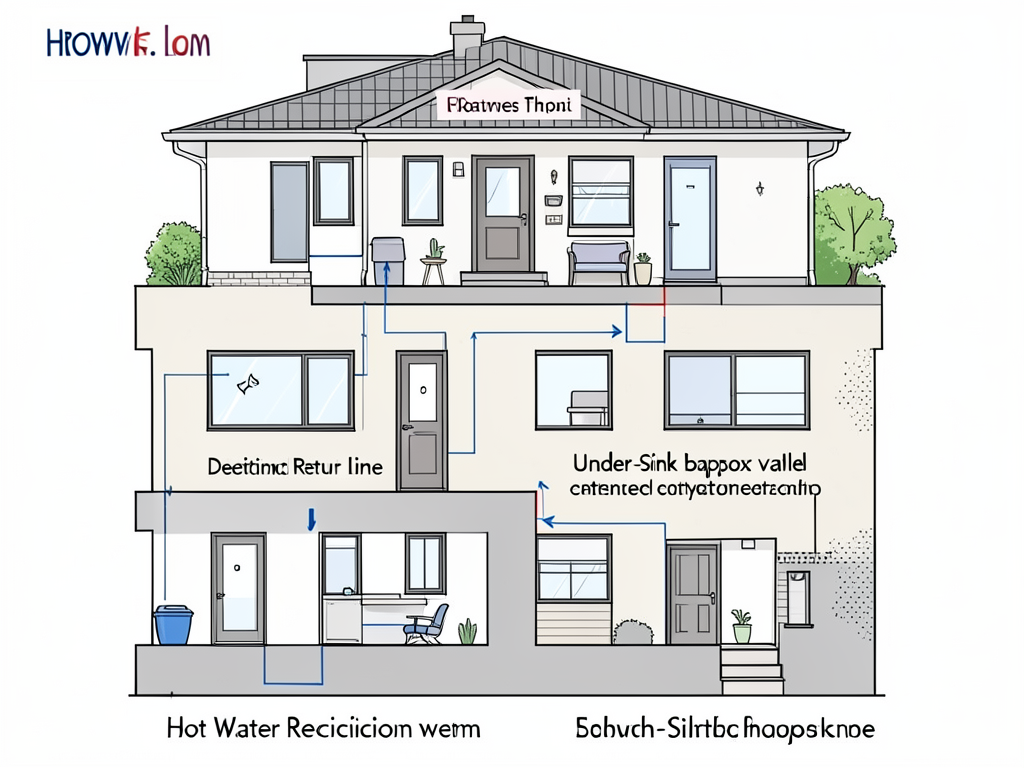
The dedicated return line system creates a complete loop from the water heater back to itself, keeping hot water circulating continuously. This works best for new construction or during major renovations when walls are already open.
The under-sink bypass valve system is more common in Hill East’s historic homes. It installs at the fixture farthest from the water heater and uses the cold water line as the return path. When the water in the hot line cools, the valve opens and sends cooled water back through the cold line until hot water arrives.
Whole-house pumps mount directly on the water heater and can work with or without a dedicated return line. They’re controlled by timers or aquastats that monitor water temperature and activate the pump only when needed.
The Installation Process: What to Expect
Professional installation of a hot water recirculation system in your Hill East rowhome typically takes 4-6 hours. Here’s what happens during a standard installation:
- System Assessment
The plumber evaluates your home’s plumbing layout, water pressure, and existing water heater capacity. They check for adequate space around the water heater for pump mounting. Who to Call When You Need an Emergency Plumber in Georgetown Right Away.
- Permit Acquisition
DC Water and the DCRA require permits for any modification to your water heater system. Your plumber handles this process, which typically takes 24-48 hours for approval.
- Shut-off and Drainage
The main water supply is shut off, and the water heater is drained to prevent damage during installation. This step takes about 30 minutes.
- Pump Installation
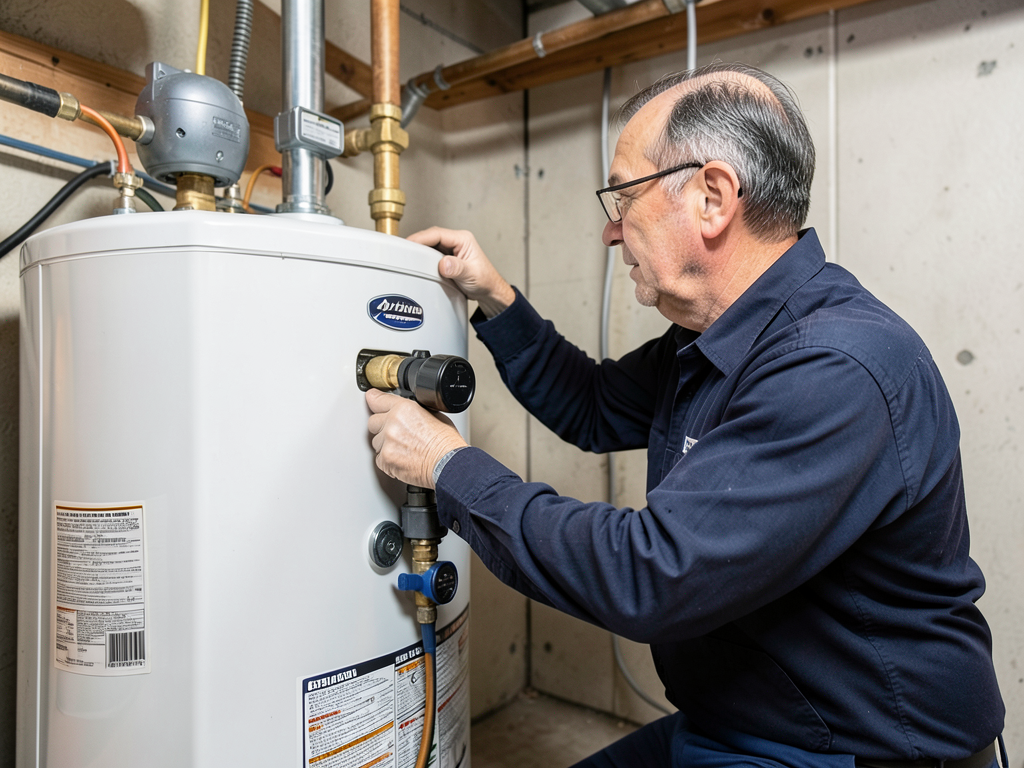
The recirculation pump mounts on the hot water outlet pipe of the water heater. A check valve installs to prevent backflow, and a timer or aquastat connects for automated control.
- Return Line Setup
For dedicated return systems, new piping runs from the farthest fixture back to the water heater. For bypass systems, the thermostatic valve installs under the sink.
- Testing and Calibration
The system runs to check for leaks, proper water flow, and temperature control. The pump settings calibrate based on your household’s hot water usage patterns.
- Final Inspection
The installation meets DC Plumbing Code requirements, including proper expansion tank installation if needed for thermal expansion protection.
During installation, technicians use diagnostic tools to measure water pressure and temperature at multiple points. This helps them optimize the system for your specific home layout. They’ll also inspect your existing water heater for signs of corrosion or sediment buildup that could affect performance.
Many Hill East homes built before 1950 have galvanized steel pipes that restrict water flow. If your home has these older pipes, the plumber might recommend pipe replacement or cleaning to maximize the recirculation system’s effectiveness.
Cost Factors in the DMV Area
Installation costs in Washington DC vary based on several factors specific to the area. Labor rates in DC average $120-$180 per hour due to the high cost of living and the need for licensed professionals familiar with local codes.
Permit fees for water heater modifications in DC range from $75-$150, depending on the scope of work. The DCRA requires inspections for all plumbing modifications, which adds another $50-$75 to the total cost.
Equipment costs vary significantly by brand and features. Grundfos pumps, known for reliability in residential applications, start around $250. Taco Comfort Solutions offers models with built-in timers starting at $300. Watts stainless steel pumps with smart controls begin around $400.
Additional costs may include thermal expansion tank installation ($150-$300) if your water heater doesn’t already have one. Many DC homes require this due to the city’s closed plumbing systems and fluctuating water pressure from aging municipal mains.
Energy costs in DC average 13-15 cents per kilowatt-hour. A typical recirculation pump uses 25-50 watts continuously, adding about $30-$45 annually to your electric bill. However, the water savings often offset this cost within 2-3 years.
Local DC Plumbing Code Compliance
Washington DC has specific requirements for hot water recirculation systems that differ from surrounding Maryland and Virginia jurisdictions. The District of Columbia Plumbing Code Section 607.4 requires all recirculation systems to include a check valve to prevent backflow into the cold water supply.
DC Water mandates that all plumbing modifications affecting water heaters must have permits, even for simple pump installations. This ensures proper sizing and prevents issues like thermal expansion that could damage your plumbing system or create safety hazards.
In Hill East’s historic district, exterior modifications require additional approval from the Historic Preservation Office. While most recirculation pump installations are internal and don’t require this approval, any visible piping or equipment must match existing materials and aesthetics.
The code also requires that all recirculation systems include a means of isolation, typically a ball valve, to allow for maintenance without shutting off the entire house’s water supply. This is particularly important in DC’s older homes where plumbing access can be limited.
DC’s combined sewer system in older neighborhoods like Hill East creates additional backflow risks during heavy rain. The check valve requirement becomes critical here to prevent contaminated water from entering your home’s potable water supply through the recirculation system.
Energy Efficiency and Water Savings
A properly installed hot water recirculation system can reduce your household’s water waste by 10,000-15,000 gallons annually. In DC, where water rates average $4.80 per 1,000 gallons, this translates to $48-$72 in annual water savings.
The energy impact depends on your system’s design. Timer-controlled pumps that operate only during peak usage hours use significantly less electricity than continuous-run systems. Smart controllers that learn your household’s patterns can reduce energy consumption by 60-70% compared to basic timer models.
DC Sustainable Energy Utility (DC SEU) offers rebates for certain high-efficiency plumbing fixtures and water heaters. While recirculation pumps aren’t currently covered, combining a new high-efficiency water heater with a recirculation system might qualify for package rebates.
The payback period for a recirculation system typically ranges from 2-4 years, depending on your household size and water usage patterns. Larger families who use hot water frequently throughout the day see faster returns on investment.
Hard water in DC can reduce pump efficiency over time. Installing a sediment filter on the cold water inlet protects the pump and extends its lifespan. Most quality pumps last 10-15 years with proper maintenance. Safely Installing New Gas Lines for Your DC Kitchen Remodel.
Maintenance and Troubleshooting
Hot water recirculation systems require minimal maintenance but benefit from annual checks. The most common issue is air in the system, which causes noisy operation and reduced efficiency. Bleeding the system once yearly prevents this problem.
Check valves can fail over time, especially in DC’s hard water conditions. A failing check valve allows cold water to mix with hot water, reducing system effectiveness. You’ll notice this as longer wait times or lukewarm water at fixtures.
Pump bearings wear out after 8-10 years of continuous operation. When the pump starts making grinding noises or the water flow decreases significantly, it’s time for replacement. Most pumps are designed for easy cartridge replacement without removing the entire unit.
Thermostatic bypass valves under sinks can become stuck due to mineral buildup. Cleaning or replacing these valves every 5-7 years maintains system efficiency. In DC’s hard water conditions, using filtered water through the recirculation system extends valve life.
If your system suddenly stops working, check the circuit breaker first. Many recirculation pumps are on dedicated circuits due to their continuous power draw. Also verify that the timer or aquastat is set correctly for your household’s schedule.
Choosing the Right System for Your Hill East Home
Your home’s specific layout determines the best recirculation solution. Three-story Hill East rowhomes with bathrooms on upper floors benefit most from dedicated return line systems, despite the higher installation cost.
Consider your household’s hot water usage patterns. If everyone showers between 7-9 AM, a timer-controlled system makes sense. If usage is spread throughout the day, a thermostatically controlled pump that responds to temperature changes works better.
Older homes with galvanized pipes might not see the full benefit of recirculation without first addressing pipe restrictions. A plumber can test your water flow and recommend whether pipe replacement or cleaning is needed before installing a recirculation system.
Smart home integration is becoming popular. Some modern recirculation pumps connect to Wi-Fi and allow control via smartphone apps. This lets you activate the system remotely when you’re heading home or adjust schedules based on travel.
Noise level matters in rowhomes where bedrooms often share walls with plumbing chases. Look for pumps rated under 45 decibels for quiet operation. Some models include vibration-dampening mounts specifically designed for retrofit installations in existing homes.
Frequently Asked Questions
How long does it take to install a hot water recirculation pump?
Professional installation typically takes 4-6 hours for a standard system. Complex installations requiring new return lines or dealing with difficult access might take 8-10 hours.
Will a recirculation pump increase my water heater’s energy consumption?
Yes, but the increase is usually modest. The pump itself uses 25-50 watts continuously. However, keeping hot water in pipes causes some standby heat loss. Overall energy impact depends on your usage patterns and whether you use a timer or smart controller.
Can I install a recirculation pump myself?
While DIY installation is possible, DC code requires permits for water heater modifications. Professional installation ensures code compliance, proper sizing, and warranty protection. Incorrect installation can lead to water damage or contamination issues.
How much water will I save with a recirculation system?
Most households save 10,000-15,000 gallons annually. The exact amount depends on your home’s size, the distance from the water heater to fixtures, and your household’s hot water usage patterns.
What maintenance does a recirculation system need?
Annual system checks for air, cleaning or replacing thermostatic valves every 5-7 years, and pump replacement every 10-15 years are typical maintenance requirements. Hard water areas may need more frequent maintenance.
Will this work with my tankless water heater?
Yes, recirculation systems work with tankless water heaters, but they require specific pump models designed for tankless applications. These pumps activate only when the tankless unit fires up, preventing unnecessary circulation through cold pipes. Choosing the Best Tankless Water Heater for Your Small Washington DC Condo.
How do I know if my home needs a dedicated return line or a bypass valve system?
Homes built before 1980 typically lack dedicated return lines. A plumber can inspect your system to determine the best approach. Bypass valve systems work well for most retrofits, while dedicated return lines offer better performance for new installations.
What brands do you recommend for DC’s water conditions?
Grundfos and Taco Comfort Solutions both offer models with stainless steel components that resist corrosion in DC’s moderately hard water. Watts makes excellent smart controllers for automated operation. Your plumber can recommend specific models based on your home’s needs.
Does the system work during power outages?
Standard recirculation pumps require electricity to operate. Some homeowners install battery backup systems to maintain operation during short outages. For longer outages, the system reverts to normal operation where you’ll experience wait times for hot water.
How do I control the system to save energy?
Timer controls allow you to run the system only during peak usage hours. Smart controllers learn your patterns and adjust automatically. Some systems include occupancy sensors that activate the pump only when someone is home.
Ready for Instant Hot Water in Your Hill East Home?
Stop wasting water and time waiting for hot water to reach your upstairs bathroom. A properly installed recirculation system delivers instant hot water at every tap while saving thousands of gallons annually. Our licensed DC plumbers understand the unique challenges of Hill East’s historic rowhomes and ensure your installation meets all local code requirements.
Call (771) 223-8111 today to schedule your free consultation. We’ll assess your home’s layout, explain your options, and provide a detailed quote with no hidden fees. Our team handles everything from permit acquisition to final inspection, so you can enjoy instant hot water without the hassle.
Pick up the phone and call (771) 223-8111 before the next cold morning leaves you waiting for hot water. Your Hill East rowhome deserves modern comfort without the waste.
{
“@context”: “https://schema.org”,
“@type”: “BlogPosting”,
“headline”: “How to Get Instant Hot Water at Every Tap in Your Large Hill East Rowhouse”,
“description”: “Tired of waiting for hot water in your Hill East rowhome? Learn how recirculation pumps work, local DC code requirements, and get instant hot water everywhere.”,
“wordCount”: 2421,
“datePublished”: “2026-03-20T07:38:00.000Z”,
“dateModified”: “2026-03-20T07:38:00.000Z”,
“inLanguage”: “en-US”,
“mainEntityOfPage”: {
“@type”: “WebPage”,
“@id”: “https://crestlineplumbingwashingtondc.com”
},
“publisher”: {
“@type”: “LocalBusiness”,
“name”: “Crestline Plumbing Washington DC”,
“url”: “https://crestlineplumbingwashingtondc.com”
},
“author”: {
“@type”: “Organization”,
“name”: “Crestline Plumbing Washington DC”,
“url”: “https://crestlineplumbingwashingtondc.com”
},
“image”: {
“@type”: “ImageObject”,
“url”: “https://crestlineplumbingwashingtondc.com/wp-content/uploads/2026/03/how-to-get-instant-hot-water-at-every-tap-in-your-1.png”
}
}
{
“@context”: “https://schema.org”,
“@type”: “Plumber”,
“name”: “Crestline Plumbing Washington DC”,
“url”: “https://crestlineplumbingwashingtondc.com”,
“address”: {
“@type”: “PostalAddress”,
“addressLocality”: “Washington DC”
},
“areaServed”: {
“@type”: “City”,
“name”: “Washington DC”
}
}
{
“@context”: “https://schema.org”,
“@type”: “FAQPage”,
“mainEntity”: [
{
“@type”: “Question”,
“name”: “How long does it take to install a hot water recirculation pump?”,
“acceptedAnswer”: {
“@type”: “Answer”,
“text”: “Professional installation typically takes 4-6 hours for a standard system. Complex installations requiring new return lines or dealing with difficult access might take 8-10 hours.”
}
},
{
“@type”: “Question”,
“name”: “Will a recirculation pump increase my water heater’s energy consumption?”,
“acceptedAnswer”: {
“@type”: “Answer”,
“text”: “Yes, but the increase is usually modest. The pump itself uses 25-50 watts continuously. However, keeping hot water in pipes causes some standby heat loss. Overall energy impact depends on your usage patterns and whether you use a timer or smart controller.”
}
},
{
“@type”: “Question”,
“name”: “Can I install a recirculation pump myself?”,
“acceptedAnswer”: {
“@type”: “Answer”,
“text”: “While DIY installation is possible, DC code requires permits for water heater modifications. Professional installation ensures code compliance, proper sizing, and warranty protection. Incorrect installation can lead to water damage or contamination issues.”
}
},
{
“@type”: “Question”,
“name”: “How much water will I save with a recirculation system?”,
“acceptedAnswer”: {
“@type”: “Answer”,
“text”: “Most households save 10,000-15,000 gallons annually. The exact amount depends on your home’s size, the distance from the water heater to fixtures, and your household’s hot water usage patterns.”
}
},
{
“@type”: “Question”,
“name”: “What maintenance does a recirculation system need?”,
“acceptedAnswer”: {
“@type”: “Answer”,
“text”: “Annual system checks for air, cleaning or replacing thermostatic valves every 5-7 years, and pump replacement every 10-15 years are typical maintenance requirements. Hard water areas may need more frequent maintenance.”
}
},
{
“@type”: “Question”,
“name”: “Will this work with my tankless water heater?”,
“acceptedAnswer”: {
“@type”: “Answer”,
“text”: “Yes, recirculation systems work with tankless water heaters, but they require specific pump models designed for tankless applications. These pumps activate only when the tankless unit fires up, preventing unnecessary circulation through cold pipes. Choosing the Best Tankless Water Heater for Your Small Washington DC Condo.”
}
},
{
“@type”: “Question”,
“name”: “How do I know if my home needs a dedicated return line or a bypass valve system?”,
“acceptedAnswer”: {
“@type”: “Answer”,
“text”: “Homes built before 1980 typically lack dedicated return lines. A plumber can inspect your system to determine the best approach. Bypass valve systems work well for most retrofits, while dedicated return lines offer better performance for new installations.”
}
},
{
“@type”: “Question”,
“name”: “What brands do you recommend for DC’s water conditions?”,
“acceptedAnswer”: {
“@type”: “Answer”,
“text”: “Grundfos and Taco Comfort Solutions both offer models with stainless steel components that resist corrosion in DC’s moderately hard water. Watts makes excellent smart controllers for automated operation. Your plumber can recommend specific models based on your home’s needs.”
}
},
{
“@type”: “Question”,
“name”: “Does the system work during power outages?”,
“acceptedAnswer”: {
“@type”: “Answer”,
“text”: “Standard recirculation pumps require electricity to operate. Some homeowners install battery backup systems to maintain operation during short outages. For longer outages, the system reverts to normal operation where you’ll experience wait times for hot water.”
}
},
{
“@type”: “Question”,
“name”: “How do I control the system to save energy?”,
“acceptedAnswer”: {
“@type”: “Answer”,
“text”: “Timer controls allow you to run the system only during peak usage hours. Smart controllers learn your patterns and adjust automatically. Some systems include occupancy sensors that activate the pump only when someone is home.”
}
},
{
“@type”: “Question”,
“name”: “Ready for Instant Hot Water in Your Hill East Home?”,
“acceptedAnswer”: {
“@type”: “Answer”,
“text”: “Stop wasting water and time waiting for hot water to reach your upstairs bathroom. A properly installed recirculation system delivers instant hot water at every tap while saving thousands of gallons annually. Our licensed DC plumbers understand the unique challenges of Hill East’s historic rowhomes and ensure your installation meets all local code requirements.”
}
}
]
}
{
“@context”: “https://schema.org”,
“@type”: “HowTo”,
“name”: “Hot Water Recirculation Installation”,
“step”: [
{
“@type”: “HowToStep”,
“position”: 1,
“name”: “System Assessment”,
“text”: “The plumber evaluates your home’s plumbing layout, water pressure, and existing water heater capacity. They check for adequate space around the water heater for pump mounting. Who to Call When You Need an Emergency Plumber in Georgetown Right Away.”
},
{
“@type”: “HowToStep”,
“position”: 2,
“name”: “Permit Acquisition”,
“text”: “DC Water and the DCRA require permits for any modification to your water heater system. Your plumber handles this process, which typically takes 24-48 hours for approval.”
},
{
“@type”: “HowToStep”,
“position”: 3,
“name”: “Shut-off and Drainage”,
“text”: “The main water supply is shut off, and the water heater is drained to prevent damage during installation. This step takes about 30 minutes.”
},
{
“@type”: “HowToStep”,
“position”: 4,
“name”: “Pump Installation”,
“text”: “The recirculation pump mounts on the hot water outlet pipe of the water heater. A check valve installs to prevent backflow, and a timer or aquastat connects for automated control.”
},
{
“@type”: “HowToStep”,
“position”: 5,
“name”: “Return Line Setup”,
“text”: “For dedicated return systems, new piping runs from the farthest fixture back to the water heater. For bypass systems, the thermostatic valve installs under the sink.”
},
{
“@type”: “HowToStep”,
“position”: 6,
“name”: “Testing and Calibration”,
“text”: “The system runs to check for leaks, proper water flow, and temperature control. The pump settings calibrate based on your household’s hot water usage patterns.”
},
{
“@type”: “HowToStep”,
“position”: 7,
“name”: “Final Inspection”,
“text”: “The installation meets DC Plumbing Code requirements, including proper expansion tank installation if needed for thermal expansion protection.”
}
],
“image”: “https://crestlineplumbingwashingtondc.com/wp-content/uploads/2026/03/how-to-get-instant-hot-water-at-every-tap-in-your-1.png”
}
{
“@context”: “https://schema.org”,
“@type”: “BreadcrumbList”,
“itemListElement”: [
{
“@type”: “ListItem”,
“position”: 1,
“name”: “Home”,
“item”: “https://crestlineplumbingwashingtondc.com”
},
{
“@type”: “ListItem”,
“position”: 2,
“name”: “Blog”,
“item”: “https://crestlineplumbingwashingtondc.com/blog”
},
{
“@type”: “ListItem”,
“position”: 3,
“name”: “How to Get Instant Hot Water at Every Tap in Your Large Hill East Rowhouse”
}
]
}
{
“@context”: “https://schema.org”,
“@type”: “Service”,
“serviceType”: “Plumbing”,
“provider”: {
“@type”: “LocalBusiness”,
“name”: “Crestline Plumbing Washington DC”,
“url”: “https://crestlineplumbingwashingtondc.com”
},
“areaServed”: {
“@type”: “City”,
“name”: “Washington DC”
},
“description”: “Tired of waiting for hot water in your Hill East rowhome? Learn how recirculation pumps work, local DC code requirements, and get instant hot water everywhere.”
}