
How to Flush Your Traditional Water Heater to Remove Sediment and Noise
Washington DC homeowners know the telltale rumble of sediment building up in their traditional water heater. That popping noise isn’t just annoying—it’s your tank working overtime, burning extra energy and shortening its lifespan. With DC’s moderately hard water from the Potomac and Anacostia watersheds, sediment accumulates faster than in many other regions. This guide walks you through a safe, effective flush that can restore quiet operation and improve efficiency. DC Water.
Why Flushing Your Water Heater is Critical in Washington DC
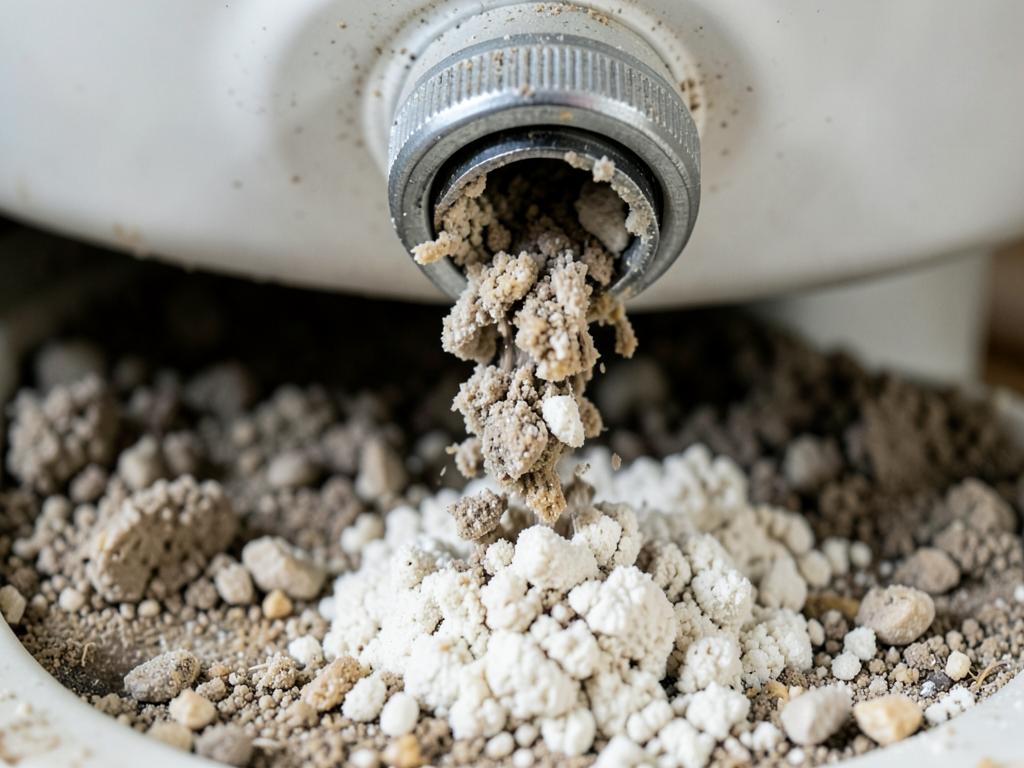
DC Water reports our area’s water hardness averages 7-10 grains per gallon—enough to leave calcium and magnesium deposits on your tank’s bottom. Over 12-24 months, these minerals form a thick insulating layer that forces your burner or heating elements to work harder. That means higher utility bills and more wear on components. In older Capitol Hill and Georgetown row homes with original plumbing, sediment can also trap rust particles from aging pipes, creating a sludgy mix that accelerates corrosion. Common Plumbing Problems in Historic Capitol Hill Rowhouses (and How We Fix Them).
Beyond efficiency, sediment buildup creates pressure pockets that cause the popping sounds many DC residents notice during heating cycles. Left unchecked, this can lead to hot spots on gas models or burned-out elements in electric units. Flushing once a year is the best defense against these problems.
Safety First: Tools and Precautions Before You Begin
Before touching any part of your water heater, gather these items: a garden hose rated for hot water, a bucket, heavy-duty work gloves, safety goggles, and a screwdriver or wrench for your drain valve. For gas models, you’ll also need the thermostat dial accessible; for electric, locate your circuit breaker.. Read more about Why water is pooling around your furnace in Michigan Park and how to fix it.
Warning: Water in the tank can be 120-140°F—hot enough to cause severe burns. Never open the drain valve without letting the tank cool for several hours after shutting off power or gas. Keep children and pets away from the work area.
If your home has a pressure relief valve (T&P valve), test it by lifting the lever slightly and letting it snap back. You should hear a brief rush of water into the discharge pipe. If nothing happens or water continues to leak, replace the valve before proceeding—this is a critical safety component under Washington DC plumbing code requirements.
Step-by-Step Instructions: Flushing Gas vs. Electric Water Heaters
The process differs slightly depending on your heater type. Here’s how to handle both:
- Turn Off Power or Gas Supply
For gas heaters, set the thermostat to “Pilot” mode. For electric, switch off the breaker at your main panel. This prevents accidental heating while the tank is empty.
- Shut Off Cold Water Supply
Locate the cold water shutoff valve above the heater—usually a lever or gate valve. Turn it clockwise until it stops. This prevents new water from entering while you drain.
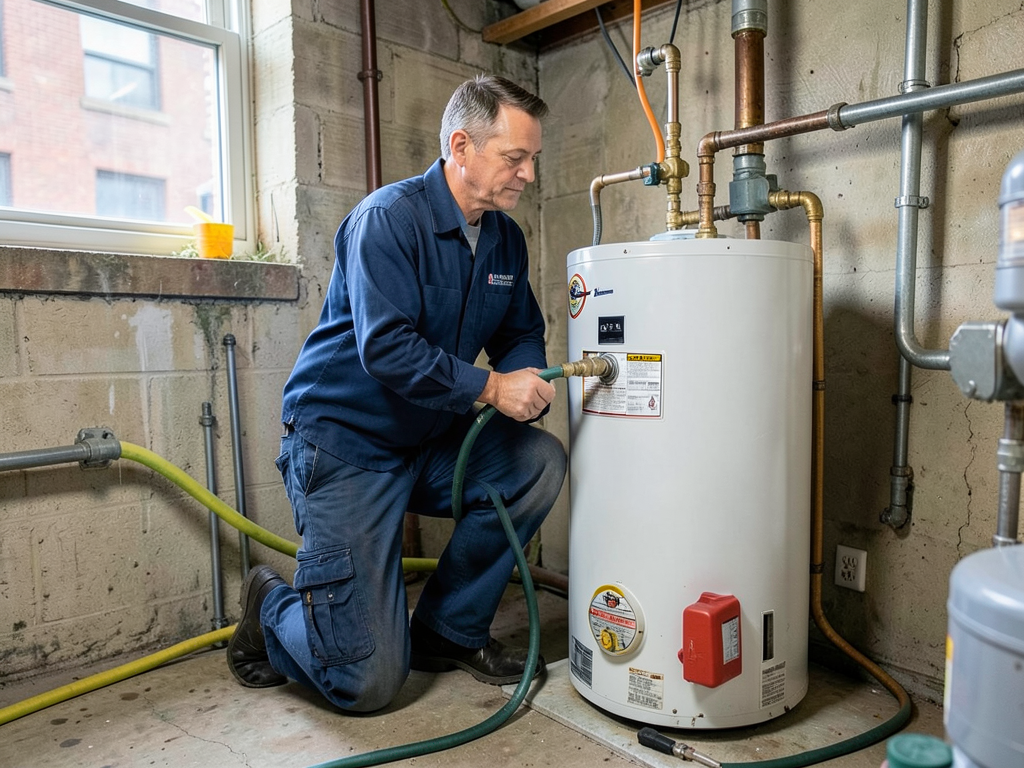
- Connect Garden Hose to Drain Valve
Attach one end to the drain valve at the tank’s base. Run the other end to a floor drain, utility sink, or outside—never to a finished area, as water will be hot and may contain sediment.
- Open Drain Valve and Hot Water Faucet
Open a hot water faucet somewhere in your home to allow air into the system. Then open the drain valve. Water should flow steadily; if it’s just trickling, sediment may be blocking the valve.
- Rinse the Tank
Once the tank empties, briefly open the cold water supply to stir up remaining sediment, then let it drain again. Repeat until the water runs clear—usually 2-3 cycles in DC’s hard water conditions.
- Close Valve and Refill
Close the drain valve tightly. Remove the hose. Open the cold water supply and let the tank refill completely—you’ll hear water running through the open faucet.
- Restore Power or Relight Pilot
For gas, turn the thermostat back to your desired temperature (120°F is optimal for DC homes). For electric, switch the breaker back on. Wait 30 minutes, then check for leaks around the drain valve.
Troubleshooting Common Issues During a Flush
If water won’t drain or flows slowly, sediment may have hardened into a blockage. Try these fixes:
- Back-flushing: Close the drain valve, disconnect the hose, and use a wet/dry vacuum to suck water backward through the valve. This can dislodge minor clogs.
- Calcium buildup: If you see white, chalky deposits, DC’s water contains high calcium carbonate. A vinegar soak (after draining) can help dissolve stubborn scale—but only if you’re comfortable with the process.
- Valve won’t close: If the drain valve handle spins freely or leaks after closing, the valve seat may be damaged. This is a sign to call a professional before the leak worsens.
Never force a stuck valve or use tools that could break the plastic housing. If you’re unsure at any point, stop and call a licensed DC plumber. The cost of a service call is far less than flood damage from a broken valve. Who to Call When You Need an Emergency Plumber in Georgetown Right Away.
When to Call a Licensed DC Plumber
Some situations demand professional help. Call (771) 223-8111 if you encounter:
- A drain valve that won’t open or close properly
- Water that remains cloudy or rust-colored after multiple rinses
- Unusual noises continuing after a flush (could indicate a failing heating element or burner)
- Leaks around the tank’s base or connections
- A water heater over 10-12 years old that hasn’t been serviced recently
DC’s older homes often have galvanized pipes that shed rust into the water heater. A professional can inspect your anode rod—a sacrificial component that prevents tank corrosion—and replace it if needed. They’ll also check that your T&P valve meets current Washington DC plumbing code standards.. Read more about How to Stop Your Pipes from Vibrating and Humming in Your Randle Highlands House.
Professional flushing includes inspection of the burner assembly (gas) or heating elements (electric), testing gas line connections, and verifying proper venting. These checks prevent carbon monoxide risks and ensure your system meets National Fuel Gas Code requirements. National Fuel Gas Code.
Frequently Asked Questions
How often should I flush my water heater in Washington DC?
Once every 12 months is ideal for most DC homes. If you have extremely hard water or notice sediment buildup sooner, flush every 6 months.
Can I flush a tankless water heater the same way?
No. Tankless units require a different descaling process using a pump and cleaning solution. Follow your manufacturer’s instructions or call a professional. Choosing the Best Tankless Water Heater for Your Small Washington DC Condo.
Is it safe to flush during winter months?
Yes, but ensure your home stays above 55°F while the tank is empty to prevent pipe freezing. In DC’s freeze-thaw cycles, this is especially important for homes with exposed plumbing in basements or crawl spaces. Don’t Let Your Basement Flood—Expert Sump Pump Repair and Maintenance in Northwest DC.
What happens if I don’t flush my water heater?
Sediment reduces efficiency by up to 50%, increases energy costs, and can cause premature tank failure. In DC’s climate, where heating demands are high for half the year, this waste adds up quickly. Emergency Sump Pump Failure.
How long does a DIY flush take?
Plan for 2-3 hours total—about 30 minutes of active work and the rest for cooling, draining, and refilling. Rushing increases the risk of burns or leaks.
Protect Your Investment and Your Comfort
A properly maintained water heater runs quietly, efficiently, and reliably—exactly what DC homeowners need through humid summers and cold winters. While DIY flushing works for many, the complexity of older systems in Capitol Hill, Georgetown, and surrounding neighborhoods often warrants professional attention. A single service call can identify developing issues before they cause costly damage.
If you’re hearing persistent popping, noticing rusty water, or simply haven’t serviced your unit in years, don’t wait for a cold shower to remind you. Call (771) 223-8111 today to schedule your inspection. Our licensed plumbers serve all DC neighborhoods with fast, reliable service that keeps your home running smoothly.
Pick up the phone and call (771) 223-8111 before the next storm hits—because in Washington DC, a failing water heater is more than an inconvenience; it’s a disruption to your daily life that’s easily prevented.
You may also find this helpful. Why Your Clothes Washer Fills So Slowly in Your Fairfax Village Apartment.
{
“@context”: “https://schema.org”,
“@type”: “BlogPosting”,
“headline”: “How to Flush Your Traditional Water Heater to Remove Sediment and Noise”,
“description”: “Learn how to flush your traditional water heater to remove sediment and noise. This step-by-step guide covers gas and electric models, DC-specific water quality, and when to call a pro.”,
“wordCount”: 1360,
“datePublished”: “2026-05-22T10:17:00.000Z”,
“dateModified”: “2026-05-22T10:17:00.000Z”,
“inLanguage”: “en-US”,
“mainEntityOfPage”: {
“@type”: “WebPage”,
“@id”: “https://crestlineplumbingwashingtondc.com”
},
“publisher”: {
“@type”: “LocalBusiness”,
“name”: “Crestline Plumbing Washington DC”,
“url”: “https://crestlineplumbingwashingtondc.com”
},
“author”: {
“@type”: “Organization”,
“name”: “Crestline Plumbing Washington DC”,
“url”: “https://crestlineplumbingwashingtondc.com”
},
“image”: {
“@type”: “ImageObject”,
“url”: “https://crestlineplumbingwashingtondc.com/wp-content/uploads/2026/03/how-to-flush-your-traditional-water-heater-to-remo-1.png”
}
}
{
“@context”: “https://schema.org”,
“@type”: “Plumber”,
“name”: “Crestline Plumbing Washington DC”,
“url”: “https://crestlineplumbingwashingtondc.com”,
“address”: {
“@type”: “PostalAddress”,
“addressLocality”: “Washington DC”
},
“areaServed”: {
“@type”: “City”,
“name”: “Washington DC”
}
}
{
“@context”: “https://schema.org”,
“@type”: “FAQPage”,
“mainEntity”: [
{
“@type”: “Question”,
“name”: “How often should I flush my water heater in Washington DC?”,
“acceptedAnswer”: {
“@type”: “Answer”,
“text”: “Once every 12 months is ideal for most DC homes. If you have extremely hard water or notice sediment buildup sooner, flush every 6 months.”
}
},
{
“@type”: “Question”,
“name”: “Can I flush a tankless water heater the same way?”,
“acceptedAnswer”: {
“@type”: “Answer”,
“text”: “No. Tankless units require a different descaling process using a pump and cleaning solution. Follow your manufacturer’s instructions or call a professional. Choosing the Best Tankless Water Heater for Your Small Washington DC Condo.”
}
},
{
“@type”: “Question”,
“name”: “Is it safe to flush during winter months?”,
“acceptedAnswer”: {
“@type”: “Answer”,
“text”: “Yes, but ensure your home stays above 55°F while the tank is empty to prevent pipe freezing. In DC’s freeze-thaw cycles, this is especially important for homes with exposed plumbing in basements or crawl spaces. Don’t Let Your Basement Flood—Expert Sump Pump Repair and Maintenance in Northwest DC.”
}
},
{
“@type”: “Question”,
“name”: “What happens if I don’t flush my water heater?”,
“acceptedAnswer”: {
“@type”: “Answer”,
“text”: “Sediment reduces efficiency by up to 50%, increases energy costs, and can cause premature tank failure. In DC’s climate, where heating demands are high for half the year, this waste adds up quickly. Emergency Sump Pump Failure.”
}
},
{
“@type”: “Question”,
“name”: “How long does a DIY flush take?”,
“acceptedAnswer”: {
“@type”: “Answer”,
“text”: “Plan for 2-3 hours total—about 30 minutes of active work and the rest for cooling, draining, and refilling. Rushing increases the risk of burns or leaks.”
}
}
]
}
{
“@context”: “https://schema.org”,
“@type”: “HowTo”,
“name”: “How to Flush Your Water Heater”,
“step”: [
{
“@type”: “HowToStep”,
“position”: 1,
“name”: “Turn Off Power or Gas Supply”,
“text”: “For gas heaters, set the thermostat to \”Pilot\” mode. For electric, switch off the breaker at your main panel. This prevents accidental heating while the tank is empty.”
},
{
“@type”: “HowToStep”,
“position”: 2,
“name”: “Shut Off Cold Water Supply”,
“text”: “Locate the cold water shutoff valve above the heater—usually a lever or gate valve. Turn it clockwise until it stops. This prevents new water from entering while you drain.”
},
{
“@type”: “HowToStep”,
“position”: 3,
“name”: “Connect Garden Hose to Drain Valve”,
“text”: “Attach one end to the drain valve at the tank’s base. Run the other end to a floor drain, utility sink, or outside—never to a finished area, as water will be hot and may contain sediment.”
},
{
“@type”: “HowToStep”,
“position”: 4,
“name”: “Open Drain Valve and Hot Water Faucet”,
“text”: “Open a hot water faucet somewhere in your home to allow air into the system. Then open the drain valve. Water should flow steadily; if it’s just trickling, sediment may be blocking the valve.”
},
{
“@type”: “HowToStep”,
“position”: 5,
“name”: “Rinse the Tank”,
“text”: “Once the tank empties, briefly open the cold water supply to stir up remaining sediment, then let it drain again. Repeat until the water runs clear—usually 2-3 cycles in DC’s hard water conditions.”
},
{
“@type”: “HowToStep”,
“position”: 6,
“name”: “Close Valve and Refill”,
“text”: “Close the drain valve tightly. Remove the hose. Open the cold water supply and let the tank refill completely—you’ll hear water running through the open faucet.”
},
{
“@type”: “HowToStep”,
“position”: 7,
“name”: “Restore Power or Relight Pilot”,
“text”: “For gas, turn the thermostat back to your desired temperature (120°F is optimal for DC homes). For electric, switch the breaker back on. Wait 30 minutes, then check for leaks around the drain valve.”
}
],
“image”: “https://crestlineplumbingwashingtondc.com/wp-content/uploads/2026/03/how-to-flush-your-traditional-water-heater-to-remo-1.png”
}
{
“@context”: “https://schema.org”,
“@type”: “BreadcrumbList”,
“itemListElement”: [
{
“@type”: “ListItem”,
“position”: 1,
“name”: “Home”,
“item”: “https://crestlineplumbingwashingtondc.com”
},
{
“@type”: “ListItem”,
“position”: 2,
“name”: “Blog”,
“item”: “https://crestlineplumbingwashingtondc.com/blog”
},
{
“@type”: “ListItem”,
“position”: 3,
“name”: “How to Flush Your Traditional Water Heater to Remove Sediment and Noise”
}
]
}
{
“@context”: “https://schema.org”,
“@type”: “Service”,
“serviceType”: “Plumbing”,
“provider”: {
“@type”: “LocalBusiness”,
“name”: “Crestline Plumbing Washington DC”,
“url”: “https://crestlineplumbingwashingtondc.com”
},
“areaServed”: {
“@type”: “City”,
“name”: “Washington DC”
},
“description”: “Learn how to flush your traditional water heater to remove sediment and noise. This step-by-step guide covers gas and electric models, DC-specific water quality, and when to call a pro.”
}