
Everything You Should Know About Frost-Proof Outdoor Faucets in American University Park
Living in American University Park means dealing with Washington DC’s freeze-thaw cycles that can destroy standard outdoor faucets. Frost-proof sillcocks stop this damage by shutting off water inside your heated walls where temperatures stay above freezing. This guide covers everything you need to know about these fixtures specifically for AU Park homes, from installation requirements to winter preparation. EPA backflow prevention guidelines.
Why DC Homes Need Frost-Proof Protection
Washington DC experiences 20 to 30 freeze events each winter, with temperatures dropping below 20°F for several days at a time. When water freezes inside standard spigots, it expands by 9% in volume, cracking pipes and valves. The damage often stays hidden until spring when you first turn on the faucet and water pours into your walls.
American University Park homes face unique challenges. Many were built between the 1920s and 1950s with brick or stone exteriors that conduct cold efficiently. The neighborhood’s elevation changes create microclimates where some properties sit in frost pockets that stay 5 to 10 degrees colder than downtown DC.
DC Water regulations require all new outdoor fixtures to meet specific anti-siphon and backflow prevention standards. The DCRA plumbing code mandates that sillcocks extend far enough into the wall to keep the valve mechanism in heated space, typically requiring 8 to 12-inch stem lengths depending on your wall construction. Common Plumbing Problems in Historic Capitol Hill Rowhouses (and How We Fix Them).
How Frost-Proof Sillcocks Actually Work
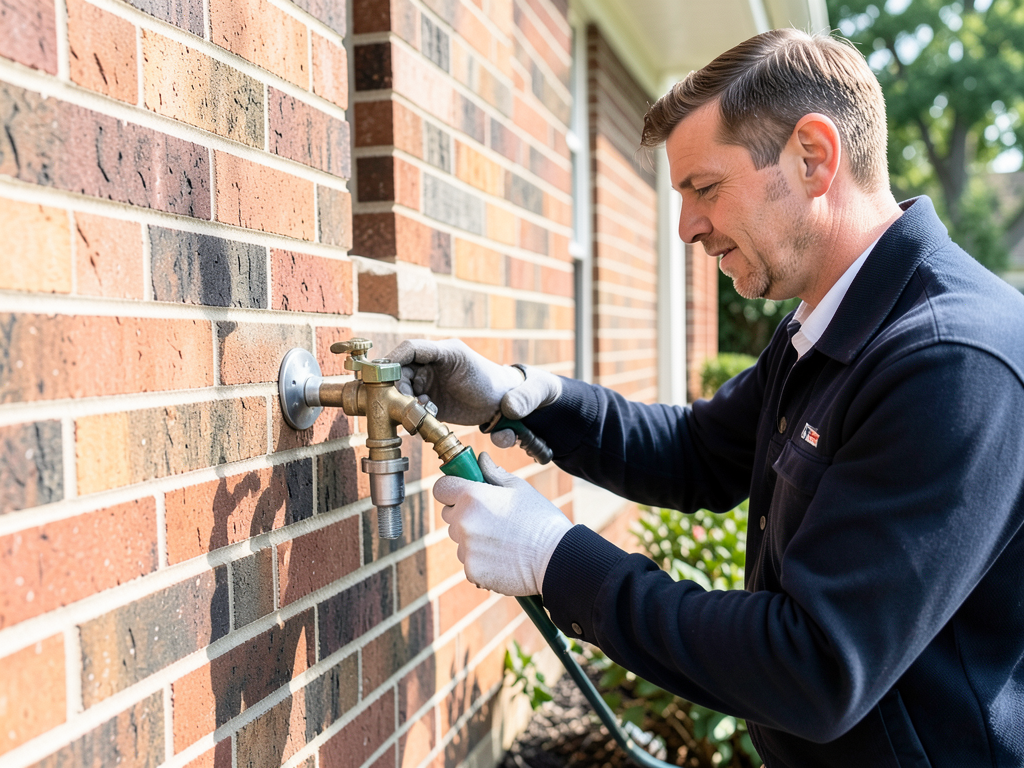
Standard hose bibs place the valve at the outdoor end where it freezes easily. Frost-proof models move the actual shut-off mechanism back inside your wall, typically 8 to 12 inches from the exterior face. When you turn the handle, you’re operating a long stem that closes a compression valve deep inside the heated portion of your wall.
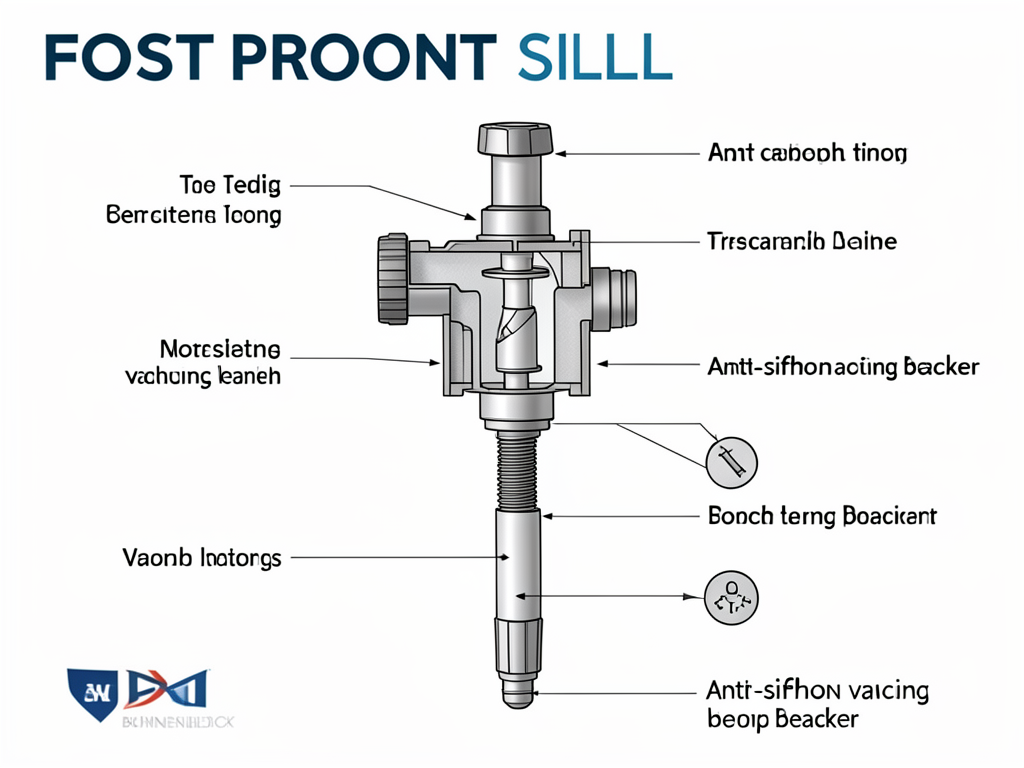
The design includes an anti-siphon vacuum breaker that prevents contaminated water from flowing back into your clean water supply. This feature became mandatory in DC after several contamination incidents linked to garden hose backflow.
Water drains automatically from the exposed portion when you shut off the valve. The slight downward pitch in the fixture allows remaining water to escape through small weep holes, preventing freeze damage to the exterior components.
Material matters significantly. Brass bodies resist corrosion better than stainless steel in DC’s humid climate. The rubber components in the valve seat need replacement every 8 to 10 years as they harden and crack from temperature cycling.
Installation Requirements for American University Park Homes
Installing frost-proof sillcocks in AU Park requires understanding your specific home construction. Brick and stone veneer walls common in the neighborhood need longer stems than standard frame construction. A typical 12-inch stem works for most AU Park homes, but some require 14-inch extensions to reach through decorative masonry. Safely Installing New Gas Lines for Your DC Kitchen Remodel.
The connection method depends on your existing plumbing. Copper pipes need soldered joints with proper flux cleaning. PEX systems use specialized push-fit or crimp connections rated for outdoor use. Mixing materials requires transition fittings rated for temperature extremes.
DC building codes require accessible shut-off valves inside the home. This means installing a separate ball valve in your basement or crawl space that can isolate the outdoor fixture without affecting your indoor plumbing. Don’t Let Your Basement Flood—Expert Sump Pump Repair and Maintenance in Northwest DC.
Proper pitch is critical. The sillcock must angle slightly downward toward the exterior, typically 1/4 inch per foot. This ensures complete drainage and prevents water from sitting in the pipe where it can freeze.
Mounting hardware must penetrate deep into the wall structure. Simple toggle bolts fail in brick construction. You need masonry anchors or through-bolts that engage the wall sheathing for secure mounting that won’t pull out under hose pressure.
Professional Installation vs. DIY Considerations
DIY installation seems straightforward but carries significant risks in DC’s older housing stock. Many AU Park homes have galvanized steel pipes that require specialized cutting tools and threading equipment. Copper systems in older homes may contain lead solder, creating health hazards during cutting and heating operations.
Professional plumbers bring diagnostic tools that reveal hidden problems. Thermal imaging can show exactly where your wall cavity drops below freezing. Moisture meters detect existing water damage behind finished walls before you cut into them. Who to Call When You Need an Emergency Plumber in Georgetown Right Away.
Permit requirements vary by jurisdiction. DC requires permits for any new plumbing fixture installation, while Montgomery County has different requirements. Working without proper permits can cause insurance claim denials if water damage occurs.
Tools needed for proper installation include pipe cutters sized for your specific pipe material, propane torches with temperature control, emery cloth for copper cleaning, and specialized wrenches for sillcock removal. Most homeowners lack these specialized tools.
Common DIY mistakes include installing sillcocks without proper drainage pitch, using incorrect pipe thread sealants, failing to pressure test connections, and overlooking the need for interior shut-off valves. These errors often lead to expensive repairs within the first winter.
Cost Factors for Frost-Proof Installation in DC
Installation costs vary significantly based on your home’s construction and existing plumbing configuration. Simple replacements in homes with accessible plumbing run $350 to $550 including permits and materials. Complex installations through finished walls or with difficult access can reach $800 to $1,200.
Material costs have increased 15% since 2023 due to supply chain issues affecting brass and copper components. Premium anti-siphon valves with built-in vacuum breakers cost $80 to $120 versus $40 to $60 for basic models.
Historic district homes in AU Park may require additional approvals from the DC Historic Preservation Office. These approvals add $200 to $400 to project costs and may limit visible fixture styles.
Emergency installations during winter months carry premium pricing due to increased demand and weather complications. Scheduling during fall or early winter typically saves 20% to 30% on labor costs. Emergency Sump Pump Failure.
Commercial properties and multi-unit buildings face different requirements. These installations often need licensed master plumbers and additional backflow prevention devices, increasing costs by 40% to 60% over residential work.
- Assessment and Planning
Inspect existing plumbing, determine pipe material, measure wall thickness, and identify optimal sillcock location. Check for interior shut-off valve accessibility.
- Permit Acquisition
Obtain required permits from DCRA or local jurisdiction. Schedule inspections as required by code.
- Preparation
Shut off water supply, drain existing lines, and protect surrounding areas from dust and debris.
- Removal of Old Fixture
Disconnect existing sillcock using appropriate tools for pipe material. Clean pipe ends thoroughly.
- Installation of New Sillcock
Install with proper pitch, secure mounting, and appropriate sealants. Connect to existing plumbing using compatible fittings.
- Testing and Inspection
Pressure test connections, check for leaks, verify proper drainage, and schedule required inspections.
Maintenance and Winterization Tips
Even frost-proof sillcocks need annual maintenance to function properly. Remove and store hoses during winter months to prevent water from freezing in the connected portion. Leaving hoses attached can cause sillcocks to fail even with the internal valve closed.
Inspect the vacuum breaker annually for signs of wear or damage. These components contain rubber seals that deteriorate from UV exposure and temperature cycling. Replacement costs $15 to $30 and prevents backflow contamination.
Check for proper drainage by shutting off the valve and observing the exterior for 24 hours. Water should drain completely from the exposed portion. Standing water indicates incorrect pitch or debris blockage.
Apply silicone lubricant to the handle mechanism annually to prevent sticking and ensure smooth operation. Avoid petroleum-based lubricants as they degrade rubber components.
Test the interior shut-off valve quarterly by closing it and opening the exterior sillcock. This verifies both valves work properly and identifies any leaks in the system.
DC’s freeze-thaw cycles create unique challenges. Rapid temperature swings of 30 to 40 degrees in a single day can cause pipes to expand and contract, loosening connections over time. Annual tightening of mounting hardware prevents fixture movement and connection stress.
American University Park’s mature tree canopy creates additional concerns. Falling branches during winter storms can damage exterior fixtures. Installing protective cages or relocating vulnerable sillcocks can prevent costly repairs.
Common Problems and Solutions
Leaking around the handle indicates worn stem packing. This repair requires shutting off water and replacing the packing nut or washer assembly. Most homeowners can handle this repair with basic tools.
Water dribbling from the spout when the valve is closed suggests a failed valve seat. This requires sillcock replacement as the internal components are not serviceable.
Burst pipes behind walls often result from improper installation without adequate drainage. The damage may not appear until months later when walls show water stains or mold growth develops.
Cross-threading during installation creates slow leaks that worsen over time. These require complete sillcock removal and reinstallation with proper thread sealants.
Corrosion around the mounting flange indicates galvanic action between dissimilar metals. This requires fixture replacement with compatible materials and proper dielectric unions.
Freezing despite frost-proof design usually results from hoses remaining attached during cold weather or negative pressure situations that prevent proper drainage. Both issues require behavioral changes rather than mechanical repairs.
Local Building Code Compliance
DC’s plumbing code follows the International Plumbing Code with local amendments. Section 604.8 requires all outdoor hose connections to include vacuum breakers meeting ASSE 1011 standards. This prevents backflow contamination from garden hoses connected to chemical sprayers or fertilizer injectors. International Plumbing Code requirements.
The DCRA mandates permits for all new outdoor plumbing fixtures. Permit fees range from $75 to $150 depending on project scope. Inspections verify proper installation, drainage, and compliance with anti-siphon requirements.
Washington DC Water requires annual testing of backflow prevention devices on commercial properties. Residential properties face no testing requirements but must use certified anti-siphon valves meeting federal standards.
Historic district guidelines in AU Park may restrict fixture finishes and styles to maintain architectural consistency. Oil-rubbed bronze and brushed nickel finishes often receive approval while bright chrome may require additional review.
Energy efficiency standards now require sillcocks with insulated valve stems in new construction. These models reduce heat loss through exterior walls and can lower heating costs by $15 to $25 annually.
DC’s Green Building code encourages PEX piping for new installations due to its freeze resistance and energy efficiency. PEX can expand slightly without bursting, providing additional protection during extreme cold events.
When to Call a Professional
Call a licensed plumber if you notice water damage on interior walls near exterior fixtures, hear water running when all fixtures are off, or experience repeated freezing despite having frost-proof sillcocks installed.
Professional inspection becomes critical if your home has galvanized steel pipes, as these require specialized tools and techniques for safe removal and replacement. The presence of lead solder in older copper systems also necessitates professional handling.
Emergency situations requiring immediate service include visible leaks, water damage spreading across walls or ceilings, or frozen pipes that have already burst. These situations need 24/7 emergency response to prevent extensive property damage.
Consider professional assessment if you’re planning major landscaping changes that might affect exterior plumbing access or if you’re converting basement space that could impact interior shut-off valve locations.
Professional plumbers can identify hidden problems like undersized water supply lines, improper venting, or code violations that could cause future failures. This diagnostic service often prevents expensive emergency repairs.
American University Park’s mix of historic and modern homes creates unique challenges. Professional assessment ensures your specific home construction receives appropriate fixture selection and installation techniques.
Protecting Your Investment
Quality frost-proof sillcocks represent a $300 to $600 investment that prevents thousands in potential water damage. The fixtures typically last 15 to 20 years with proper maintenance, making them cost-effective insurance against winter pipe failures.
Regular maintenance extends fixture life and prevents emergency repairs. Simple tasks like hose removal, annual inspections, and proper winterization take less than 30 minutes but can prevent catastrophic failures.
Document your installation with photos and keep all permit records. This documentation helps with insurance claims and provides valuable information for future homeowners or service providers.
Consider whole-system upgrades if your home has multiple outdoor fixtures with varying ages and conditions. Coordinated replacement ensures consistent performance and simplifies future maintenance.
American University Park’s specific climate conditions make frost-proof protection essential rather than optional. The neighborhood’s elevation and exposure patterns create freeze risks that exceed downtown DC averages.
Professional installation provides peace of mind through proper code compliance, warranty coverage, and expert assessment of your home’s specific needs. This protection proves invaluable when winter temperatures drop unexpectedly.
Ready to protect your American University Park home from frozen pipe damage? Call (771) 223-8111 today to schedule your inspection. Our local experts understand DC’s unique plumbing challenges and can recommend the right frost-proof solutions for your specific home construction.
Frequently Asked Questions
How long do frost-proof sillcocks typically last?
Quality frost-proof sillcocks last 15 to 20 years with proper maintenance. Factors affecting lifespan include water quality, temperature extremes, and maintenance frequency. Brass bodies resist corrosion better than cheaper materials, extending useful life significantly.
Can I install a frost-proof sillcock myself?
DIY installation is possible for experienced homeowners with proper tools and permits. However, DC’s older housing stock often contains lead solder, galvanized pipes, or complex masonry that requires professional expertise. Permit requirements and inspection processes also complicate DIY projects.
What’s the difference between frost-proof and freeze-proof?
Frost-proof sillcocks use internal valve placement and automatic drainage to prevent freezing. Freeze-proof is a marketing term that may refer to insulated covers or electric heating elements. True frost-proof design requires proper installation and drainage, not just insulation.
How much does professional installation cost in American University Park?
Professional installation in AU Park ranges from $350 to $1,200 depending on wall construction, existing plumbing, and permit requirements. Simple replacements in accessible locations cost less, while complex installations through finished walls or historic district homes cost more.
Do I need permits for sillcock replacement in DC?
Yes, DC requires permits for all new outdoor plumbing fixtures including sillcock replacement. Permit fees range from $75 to $150. Work without permits can result in fines and may void insurance coverage for water damage claims.
{
“@context”: “https://schema.org”,
“@type”: “BlogPosting”,
“headline”: “Everything You Should Know About Frost-Proof Outdoor Faucets in American University Park”,
“description”: “Learn how frost-proof sillcocks prevent frozen pipes in American University Park. Get DC-specific installation tips, code compliance, and winterization advice from local experts.”,
“wordCount”: 2356,
“datePublished”: “2026-04-10T07:53:00.000Z”,
“dateModified”: “2026-04-10T07:53:00.000Z”,
“inLanguage”: “en-US”,
“mainEntityOfPage”: {
“@type”: “WebPage”,
“@id”: “https://crestlineplumbingwashingtondc.com”
},
“publisher”: {
“@type”: “LocalBusiness”,
“name”: “Crestline Plumbing Washington DC”,
“url”: “https://crestlineplumbingwashingtondc.com”
},
“author”: {
“@type”: “Organization”,
“name”: “Crestline Plumbing Washington DC”,
“url”: “https://crestlineplumbingwashingtondc.com”
},
“image”: {
“@type”: “ImageObject”,
“url”: “https://crestlineplumbingwashingtondc.com/wp-content/uploads/2026/03/everything-you-should-know-about-frost-proof-outdo-1.png”
}
}
{
“@context”: “https://schema.org”,
“@type”: “Plumber”,
“name”: “Crestline Plumbing Washington DC”,
“url”: “https://crestlineplumbingwashingtondc.com”,
“address”: {
“@type”: “PostalAddress”,
“addressLocality”: “Washington DC”
},
“areaServed”: {
“@type”: “City”,
“name”: “Washington DC”
}
}
{
“@context”: “https://schema.org”,
“@type”: “FAQPage”,
“mainEntity”: [
{
“@type”: “Question”,
“name”: “How long do frost-proof sillcocks typically last?”,
“acceptedAnswer”: {
“@type”: “Answer”,
“text”: “Quality frost-proof sillcocks last 15 to 20 years with proper maintenance. Factors affecting lifespan include water quality, temperature extremes, and maintenance frequency. Brass bodies resist corrosion better than cheaper materials, extending useful life significantly.”
}
},
{
“@type”: “Question”,
“name”: “Can I install a frost-proof sillcock myself?”,
“acceptedAnswer”: {
“@type”: “Answer”,
“text”: “DIY installation is possible for experienced homeowners with proper tools and permits. However, DC’s older housing stock often contains lead solder, galvanized pipes, or complex masonry that requires professional expertise. Permit requirements and inspection processes also complicate DIY projects.”
}
},
{
“@type”: “Question”,
“name”: “What’s the difference between frost-proof and freeze-proof?”,
“acceptedAnswer”: {
“@type”: “Answer”,
“text”: “Frost-proof sillcocks use internal valve placement and automatic drainage to prevent freezing. Freeze-proof is a marketing term that may refer to insulated covers or electric heating elements. True frost-proof design requires proper installation and drainage, not just insulation.”
}
},
{
“@type”: “Question”,
“name”: “How much does professional installation cost in American University Park?”,
“acceptedAnswer”: {
“@type”: “Answer”,
“text”: “Professional installation in AU Park ranges from $350 to $1,200 depending on wall construction, existing plumbing, and permit requirements. Simple replacements in accessible locations cost less, while complex installations through finished walls or historic district homes cost more.”
}
},
{
“@type”: “Question”,
“name”: “Do I need permits for sillcock replacement in DC?”,
“acceptedAnswer”: {
“@type”: “Answer”,
“text”: “Yes, DC requires permits for all new outdoor plumbing fixtures including sillcock replacement. Permit fees range from $75 to $150. Work without permits can result in fines and may void insurance coverage for water damage claims.”
}
}
]
}
{
“@context”: “https://schema.org”,
“@type”: “HowTo”,
“name”: “Frost-Proof Installation Process”,
“step”: [
{
“@type”: “HowToStep”,
“position”: 1,
“name”: “Assessment and Planning”,
“text”: “Inspect existing plumbing, determine pipe material, measure wall thickness, and identify optimal sillcock location. Check for interior shut-off valve accessibility.”
},
{
“@type”: “HowToStep”,
“position”: 2,
“name”: “Permit Acquisition”,
“text”: “Obtain required permits from DCRA or local jurisdiction. Schedule inspections as required by code.”
},
{
“@type”: “HowToStep”,
“position”: 3,
“name”: “Preparation”,
“text”: “Shut off water supply, drain existing lines, and protect surrounding areas from dust and debris.”
},
{
“@type”: “HowToStep”,
“position”: 4,
“name”: “Removal of Old Fixture”,
“text”: “Disconnect existing sillcock using appropriate tools for pipe material. Clean pipe ends thoroughly.”
},
{
“@type”: “HowToStep”,
“position”: 5,
“name”: “Installation of New Sillcock”,
“text”: “Install with proper pitch, secure mounting, and appropriate sealants. Connect to existing plumbing using compatible fittings.”
},
{
“@type”: “HowToStep”,
“position”: 6,
“name”: “Testing and Inspection”,
“text”: “Pressure test connections, check for leaks, verify proper drainage, and schedule required inspections.”
}
],
“image”: “https://crestlineplumbingwashingtondc.com/wp-content/uploads/2026/03/everything-you-should-know-about-frost-proof-outdo-1.png”
}
{
“@context”: “https://schema.org”,
“@type”: “BreadcrumbList”,
“itemListElement”: [
{
“@type”: “ListItem”,
“position”: 1,
“name”: “Home”,
“item”: “https://crestlineplumbingwashingtondc.com”
},
{
“@type”: “ListItem”,
“position”: 2,
“name”: “Blog”,
“item”: “https://crestlineplumbingwashingtondc.com/blog”
},
{
“@type”: “ListItem”,
“position”: 3,
“name”: “Everything You Should Know About Frost-Proof Outdoor Faucets in American University Park”
}
]
}
{
“@context”: “https://schema.org”,
“@type”: “Service”,
“serviceType”: “Plumbing”,
“provider”: {
“@type”: “LocalBusiness”,
“name”: “Crestline Plumbing Washington DC”,
“url”: “https://crestlineplumbingwashingtondc.com”
},
“areaServed”: {
“@type”: “City”,
“name”: “Washington DC”
},
“description”: “Learn how frost-proof sillcocks prevent frozen pipes in American University Park. Get DC-specific installation tips, code compliance, and winterization advice from local experts.”
}