
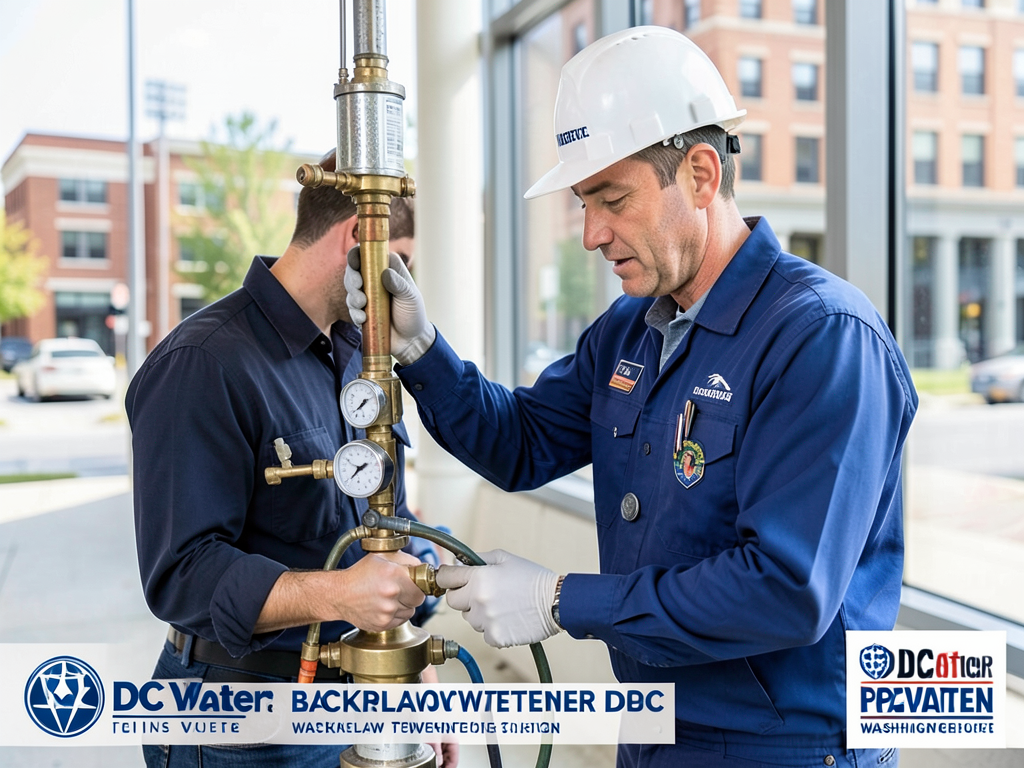
Everything You Need to Know About Annual Backflow Testing Requirements for DC Business Owners
Washington DC business owners face strict annual backflow testing requirements under DC Water’s Cross-Connection Control Program. Every commercial property with a testable backflow prevention assembly must undergo testing by a certified DC Water-approved tester once per year. This isn’t optional—it’s a legal mandate designed to protect DC’s drinking water supply from contamination. DC Water Cross-Connection Control Program.
The District of Columbia Municipal Regulations (DCMR) Chapter 48, Section 48-1002.1 requires all testable backflow devices to be inspected annually by a DC-licensed plumber certified in backflow prevention. Property owners receive notification letters from DC Water when testing is due, and failure to comply can result in water service disconnection until the test is completed and filed. District of Columbia Municipal Regulations Chapter 48.
Backflow occurs when water pressure drops suddenly—like during a water main break or firefighting operations—causing contaminated water to flow backward into clean water lines. Without a properly functioning backflow preventer, substances like cleaning chemicals, fertilizers, or even sewage could enter the public water supply, creating serious health hazards for thousands of DC residents. Emergency Water Shut-Off Service.
DC business owners must act now to ensure compliance and protect their operations. Annual testing is your legal responsibility, and DC Water requires test reports to be filed within 30 days of the test date. Let’s examine what you need to know to stay compliant in 2026.
DC Water’s Annual Backflow Testing Requirements
DC Water mandates annual testing for all testable backflow prevention assemblies installed at commercial properties throughout Washington DC’s eight wards. The testing requirement applies to devices like Reduced Pressure Zone (RPZ) valves, Double Check Valve Assemblies (DCVA), and Pressure Vacuum Breakers (PVB) found in restaurants, medical facilities, manufacturing plants, and multi-unit residential buildings.. Read more about Dependable Commercial Plumbing Services for DC Offices and Retail Spaces.
According to DC Water’s Cross-Connection Control Program, property owners must use only certified backflow testers who hold current DC Water approval. These testers must complete specialized training and pass examinations demonstrating knowledge of DC’s specific regulations and testing procedures. Each tester carries a unique certification number that must appear on all test reports.
The testing process involves several critical steps. First, the certified tester isolates the backflow assembly from the water system. They then connect test gauges to measure pressure differentials across the device’s check valves. The tester opens and closes valves while monitoring pressure readings to verify proper operation. If any component fails, repairs must be completed before the device passes.
DC Water requires specific documentation for each test. The official DC Water Test Performance Report form documents device information, test results, and any repairs performed. Testers must submit these reports electronically through DC Water’s portal within 30 days. Property owners receive confirmation once DC Water processes their compliance documentation.
Testing costs vary based on device type, location accessibility, and whether repairs are needed. Most DC businesses can expect to pay between $150 and $350 for a standard test, with additional charges for difficult-to-access assemblies or necessary repairs. Some properties with multiple devices may qualify for volume discounts.
DC Water’s notification system tracks testing compliance across the District. Property owners who miss testing deadlines receive escalating notices, and repeated non-compliance can trigger administrative hearings. The agency maintains a public database of compliant properties, which inspectors may reference during routine visits.
Understanding these requirements helps DC business owners budget appropriately and schedule testing during convenient times. Many properties schedule testing during slower business periods to minimize disruption. Planning ahead ensures you won’t face emergency service calls or potential water shutoffs that could impact your operations. Who to Call When You Need an Emergency Plumber in Georgetown Right Away.
Types of Backflow Preventers We Service in DC
DC businesses use various backflow prevention assemblies depending on their specific hazard level and plumbing configuration. Each device type requires specialized testing knowledge and equipment to ensure proper evaluation and compliance with DC Water standards. Common Plumbing Problems in Historic Capitol Hill Rowhouses (and How We Fix Them).
The Reduced Pressure Zone (RPZ) valve represents the highest level of protection available for commercial properties. These assemblies contain two independently operating check valves separated by a pressure differential relief valve. During testing, technicians verify that the relief valve opens at the correct pressure and that both check valves maintain proper sealing. RPZ valves commonly protect restaurants, medical facilities, and properties with chemical processing equipment.
Double Check Valve Assemblies (DCVA) provide moderate protection for properties with moderate contamination risks. These devices feature two spring-loaded check valves in a single body. Testing involves verifying that both check valves open at the correct pressure and close tightly when flow stops. DCVAs often protect multi-unit residential buildings, office complexes, and retail centers where contamination risks exist but are less severe than in high-hazard applications.
Pressure Vacuum Breakers (PVB) protect against backsiphonage but not backpressure. These devices include an independently operating check valve and an air inlet valve that opens when pressure drops. Testing confirms that the check valve maintains proper spring tension and that the air inlet valve opens at the correct vacuum level. PVBs typically protect irrigation systems and equipment with chemical injection capabilities.
Atmospheric Vacuum Breakers (AVB) represent the simplest protection method, suitable only for low-hazard applications. These devices rely on atmospheric pressure to prevent backsiphonage and require no testing. However, DC Water typically mandates testable assemblies for commercial properties, making AVBs uncommon in business applications.
Commercial property owners should know which device protects their water supply. Device location varies significantly—some installations hide in mechanical rooms, while others mount on exterior walls or underground vaults. Testing accessibility affects both scheduling and cost, as difficult-to-reach assemblies require additional time and specialized equipment.
DC Water’s regulations specify which device type each property requires based on the potential contamination hazard. Properties with chemical storage, medical equipment, or food processing capabilities typically need RPZ protection. Standard commercial buildings might qualify for DCVA protection. Understanding your specific requirements helps ensure you have appropriate protection and avoid compliance issues.
The DC Backflow Testing Process Step by Step
Professional backflow testing follows a standardized process that ensures thorough evaluation and compliance with DC Water requirements. Understanding this process helps business owners know what to expect and how to prepare for their annual testing appointment.
The testing process begins with documentation review. The certified tester examines your backflow assembly’s identification tag, which contains the device model, size, and serial number. They also review any previous test reports to identify recurring issues or needed repairs. This preliminary step typically takes 10-15 minutes and helps the technician prepare appropriate test equipment.
Next comes system isolation. The tester shuts off water supply to the backflow assembly and verifies that no water flows through the device. This isolation protects both the testing equipment and the building’s plumbing system during evaluation. For some commercial properties, this step requires coordination with building management to minimize disruption to operations. Plumbing Bowie.
Test gauge installation represents the technical core of the process. The technician connects calibrated pressure gauges to specific test ports on the backflow assembly. These gauges measure differential pressures across check valves and monitor relief valve operation. Proper gauge installation requires knowledge of each device type’s specific testing requirements and port locations.
Systematic valve operation follows gauge installation. The tester opens and closes various valves while monitoring pressure readings on the gauges. They verify that check valves open at the correct pressure and close tightly when flow stops. For RPZ valves, they confirm that the relief valve opens at the specified pressure differential. This phase typically requires 20-30 minutes of careful observation and adjustment.
Data recording concludes the active testing phase. The technician documents all pressure readings, valve operation observations, and any irregularities discovered during testing. They complete the DC Water Test Performance Report form, noting the device’s pass/fail status and any repairs needed. This documentation becomes your official compliance record.
Post-test procedures include restoring water service and cleaning the work area. The tester verifies that all valves function correctly after testing and that no leaks develop. They provide you with a copy of the completed test report and explain any findings or recommendations. Most testing appointments conclude within 45-60 minutes for accessible assemblies.. Read more about Heavy Duty Drain Cleaning for Foggy Bottom Restaurants and Commercial Buildings.
Electronic filing with DC Water represents the final compliance step. The tester submits your test report through DC Water’s online portal, typically within 24-48 hours of completing the test. You receive confirmation once DC Water processes your submission, officially documenting your compliance for the current year.
Understanding this process helps business owners prepare appropriately. Ensure clear access to your backflow assembly, provide any necessary keys or access codes, and notify relevant personnel about the temporary water shutdown. Proper preparation streamlines the testing process and minimizes disruption to your operations.
DC Backflow Testing Cost Factors and Pricing
Backflow testing costs in Washington DC vary based on multiple factors that affect the time and expertise required for proper evaluation. Understanding these cost factors helps business owners budget appropriately and avoid unexpected expenses during their annual compliance testing.
Device type significantly impacts testing costs. RPZ valves typically cost more to test than DCVAs because they contain more components and require more detailed evaluation. The relief valve mechanism in RPZ assemblies demands additional testing time and specialized knowledge. PVB testing falls between these extremes in terms of complexity and cost.
Location accessibility represents another major cost factor. Assemblies mounted in mechanical rooms with clear access typically cost less to test than those in underground vaults, crawl spaces, or exterior locations requiring special equipment. Some DC properties feature assemblies in challenging locations that require ladders, scaffolding, or confined space entry procedures, all of which increase testing costs.
Device age and condition affect both testing complexity and potential repair costs. Older assemblies may have corroded components, outdated parts, or previous repair work that complicates testing procedures. Some vintage devices require specialized knowledge or replacement parts that aren’t readily available, potentially extending testing time or necessitating return visits.
Commercial property size influences testing pricing through economies of scale. Properties with multiple backflow assemblies often receive volume discounts, as the tester can complete multiple evaluations during a single visit. A property with three assemblies might pay 20-30% less per device than a property with only one assembly requiring a separate service call.
Emergency versus scheduled testing creates significant price differences. Testing requested outside normal business hours, on weekends, or with less than 48-hour notice typically incurs premium charges. DC businesses that schedule testing during slower periods often secure better rates and more flexible appointment times. Emergency Sump Pump Failure.
Repair requirements dramatically affect total project costs. If testing reveals failed components, repair costs vary based on part availability, labor requirements, and whether specialized tools or techniques are needed. Some repairs can be completed during the initial visit, while others require parts ordering and return appointments.
Geographic location within DC affects pricing due to travel time and local market conditions. Properties in downtown areas with heavy traffic may incur higher service charges than those in more accessible locations. Some testers charge based on ward or quadrant to account for these logistical differences.
Service agreement pricing offers potential savings for businesses committed to long-term compliance. Annual service contracts typically provide discounted rates compared to one-time testing calls, along with priority scheduling and simplified billing. These agreements benefit both the tester and the property owner through predictable costs and streamlined compliance management.
Most DC businesses should budget between $150 and $400 for annual backflow testing, with the final cost depending on the specific factors affecting their property. Obtaining quotes from multiple certified testers helps ensure competitive pricing while verifying that all technicians hold current DC Water approval.
Frequently Asked Questions About DC Backflow Compliance
What happens if I don’t get my backflow preventer tested on time?
DC Water tracks compliance through their notification system and may issue escalating notices to non-compliant properties. Continued non-compliance can result in water service disconnection until testing is completed and the proper documentation is filed. You may also face administrative fines and potential liability if contamination occurs due to a failed device.
How do I know if my business needs backflow testing?
DC Water sends annual notification letters to properties with testable backflow assemblies. If you haven’t received a notice but believe you have a testable device, contact DC Water’s Cross-Connection Control Program or consult a certified backflow tester. Most commercial properties with water service require some form of backflow protection.
Can any plumber perform backflow testing in DC?
No. Only plumbers certified by DC Water as backflow prevention assembly testers can legally perform testing and submit reports. These technicians must complete specialized training, pass DC Water examinations, and maintain current certification. Always verify a tester’s DC Water approval before scheduling service.
How long does backflow testing take?
Most standard backflow tests take 45-60 minutes for accessible assemblies. Complex devices, difficult-to-reach locations, or assemblies requiring repairs may take longer. The technician should provide you with a time estimate when scheduling the appointment based on your specific situation.
What if my backflow preventer fails the test?
If your device fails, the tester will document the specific failure and provide repair recommendations. You must repair the device and have it retested before DC Water will accept your compliance documentation. Some testers can complete minor repairs during the initial visit, while major repairs may require return appointments.
Do I need to be present during testing?
While not always required, having someone available to provide access and answer questions helps streamline the process. The tester may need information about your plumbing system or permission to access certain areas. For businesses with specific operating hours or security requirements, scheduling coordination ensures smooth testing completion.
How far in advance should I schedule testing?
Schedule testing as soon as you receive DC Water’s notification letter, ideally 2-3 weeks in advance. This timing provides flexibility for scheduling during convenient hours and ensures you meet the 30-day filing deadline. Last-minute scheduling may limit your options and potentially incur premium charges.
What documentation do I need to keep?
Keep copies of all test reports, repair documentation, and DC Water confirmation notices for at least three years. These records demonstrate your compliance history and may be useful for insurance purposes or during property transactions. Your certified tester should provide you with complete documentation after each test.
Protect Your DC Business with Proper Backflow Prevention
Annual backflow testing represents a critical compliance requirement for Washington DC businesses, but it’s also an investment in public health and your company’s reputation. By understanding DC Water’s requirements, working with certified testers, and maintaining proper documentation, you protect your business from service interruptions, fines, and potential liability.
The consequences of non-compliance extend beyond administrative penalties. A failed backflow preventer could contaminate DC’s water supply, potentially affecting thousands of residents and creating liability for your business. Regular testing ensures your device functions properly when needed most—during water pressure drops caused by main breaks, firefighting operations, or other emergencies.
DC’s diverse business community faces varying backflow risks based on their specific operations. Restaurants handle food and cleaning chemicals that could contaminate water. Medical facilities use specialized equipment requiring the highest protection levels. Manufacturing plants may process materials that pose severe contamination hazards. Understanding your specific risk category helps ensure you have appropriate protection and comply with all applicable regulations.
Working with certified backflow testers who understand DC Water’s specific requirements streamlines the compliance process. These professionals know the proper testing procedures, documentation requirements, and filing protocols that satisfy DC Water’s standards. They can also identify potential issues before they become compliance problems, helping you maintain continuous protection for your water supply.
Don’t wait until you receive an urgent notice from DC Water. Schedule your annual backflow testing early, work with certified professionals, and maintain proper documentation. This proactive approach protects your business, your customers, and the entire DC community from the risks of water contamination.
Call (771) 223-8111 today to schedule your annual backflow testing and ensure your DC business remains compliant with all 2026 regulations. Our certified technicians understand DC Water’s requirements and can complete your testing efficiently while providing complete documentation for your records.
Protect your business, protect your community, and stay compliant with Washington DC’s backflow prevention requirements. One phone call ensures your annual testing is completed properly and your documentation is filed correctly with DC Water.
You may also find this helpful. Setting Up Your Outdoor Kitchen or Garden Plumbing in Glover Park.
{
“@context”: “https://schema.org”,
“@type”: “BlogPosting”,
“headline”: “Everything You Need to Know About Annual Backflow Testing Requirements for DC Business Owners”,
“description”: “DC business owners must comply with annual backflow testing mandates. Learn DC Water requirements, RPZ testing procedures, and how to stay compliant with 2026 regulations.”,
“wordCount”: 2724,
“datePublished”: “2026-02-19T07:12:00.000Z”,
“dateModified”: “2026-02-19T07:12:00.000Z”,
“inLanguage”: “en-US”,
“mainEntityOfPage”: {
“@type”: “WebPage”,
“@id”: “https://crestlineplumbingwashingtondc.com”
},
“publisher”: {
“@type”: “LocalBusiness”,
“name”: “Crestline Plumbing Washington DC”,
“url”: “https://crestlineplumbingwashingtondc.com”
},
“author”: {
“@type”: “Organization”,
“name”: “Crestline Plumbing Washington DC”,
“url”: “https://crestlineplumbingwashingtondc.com”
},
“image”: {
“@type”: “ImageObject”,
“url”: “https://crestlineplumbingwashingtondc.com/wp-content/uploads/2026/03/everything-you-need-to-know-about-annual-backflow-1.png”
}
}
{
“@context”: “https://schema.org”,
“@type”: “Plumber”,
“name”: “Crestline Plumbing Washington DC”,
“url”: “https://crestlineplumbingwashingtondc.com”,
“address”: {
“@type”: “PostalAddress”,
“addressLocality”: “Washington DC”
},
“areaServed”: {
“@type”: “City”,
“name”: “Washington DC”
}
}
{
“@context”: “https://schema.org”,
“@type”: “FAQPage”,
“mainEntity”: [
{
“@type”: “Question”,
“name”: “What happens if I don’t get my backflow preventer tested on time?”,
“acceptedAnswer”: {
“@type”: “Answer”,
“text”: “DC Water tracks compliance through their notification system and may issue escalating notices to non-compliant properties. Continued non-compliance can result in water service disconnection until testing is completed and the proper documentation is filed. You may also face administrative fines and potential liability if contamination occurs due to a failed device.”
}
},
{
“@type”: “Question”,
“name”: “How do I know if my business needs backflow testing?”,
“acceptedAnswer”: {
“@type”: “Answer”,
“text”: “DC Water sends annual notification letters to properties with testable backflow assemblies. If you haven’t received a notice but believe you have a testable device, contact DC Water’s Cross-Connection Control Program or consult a certified backflow tester. Most commercial properties with water service require some form of backflow protection.”
}
},
{
“@type”: “Question”,
“name”: “Can any plumber perform backflow testing in DC?”,
“acceptedAnswer”: {
“@type”: “Answer”,
“text”: “No. Only plumbers certified by DC Water as backflow prevention assembly testers can legally perform testing and submit reports. These technicians must complete specialized training, pass DC Water examinations, and maintain current certification. Always verify a tester’s DC Water approval before scheduling service.”
}
},
{
“@type”: “Question”,
“name”: “How long does backflow testing take?”,
“acceptedAnswer”: {
“@type”: “Answer”,
“text”: “Most standard backflow tests take 45-60 minutes for accessible assemblies. Complex devices, difficult-to-reach locations, or assemblies requiring repairs may take longer. The technician should provide you with a time estimate when scheduling the appointment based on your specific situation.”
}
},
{
“@type”: “Question”,
“name”: “What if my backflow preventer fails the test?”,
“acceptedAnswer”: {
“@type”: “Answer”,
“text”: “If your device fails, the tester will document the specific failure and provide repair recommendations. You must repair the device and have it retested before DC Water will accept your compliance documentation. Some testers can complete minor repairs during the initial visit, while major repairs may require return appointments.”
}
},
{
“@type”: “Question”,
“name”: “Do I need to be present during testing?”,
“acceptedAnswer”: {
“@type”: “Answer”,
“text”: “While not always required, having someone available to provide access and answer questions helps streamline the process. The tester may need information about your plumbing system or permission to access certain areas. For businesses with specific operating hours or security requirements, scheduling coordination ensures smooth testing completion.”
}
},
{
“@type”: “Question”,
“name”: “How far in advance should I schedule testing?”,
“acceptedAnswer”: {
“@type”: “Answer”,
“text”: “Schedule testing as soon as you receive DC Water’s notification letter, ideally 2-3 weeks in advance. This timing provides flexibility for scheduling during convenient hours and ensures you meet the 30-day filing deadline. Last-minute scheduling may limit your options and potentially incur premium charges.”
}
},
{
“@type”: “Question”,
“name”: “What documentation do I need to keep?”,
“acceptedAnswer”: {
“@type”: “Answer”,
“text”: “Keep copies of all test reports, repair documentation, and DC Water confirmation notices for at least three years. These records demonstrate your compliance history and may be useful for insurance purposes or during property transactions. Your certified tester should provide you with complete documentation after each test.”
}
}
]
}
{
“@context”: “https://schema.org”,
“@type”: “BreadcrumbList”,
“itemListElement”: [
{
“@type”: “ListItem”,
“position”: 1,
“name”: “Home”,
“item”: “https://crestlineplumbingwashingtondc.com”
},
{
“@type”: “ListItem”,
“position”: 2,
“name”: “Blog”,
“item”: “https://crestlineplumbingwashingtondc.com/blog”
},
{
“@type”: “ListItem”,
“position”: 3,
“name”: “Everything You Need to Know About Annual Backflow Testing Requirements for DC Business Owners”
}
]
}
{
“@context”: “https://schema.org”,
“@type”: “Service”,
“serviceType”: “Plumbing”,
“provider”: {
“@type”: “LocalBusiness”,
“name”: “Crestline Plumbing Washington DC”,
“url”: “https://crestlineplumbingwashingtondc.com”
},
“areaServed”: {
“@type”: “City”,
“name”: “Washington DC”
},
“description”: “DC business owners must comply with annual backflow testing mandates. Learn DC Water requirements, RPZ testing procedures, and how to stay compliant with 2026 regulations.”
}