
Dealing with Hard Water Damage to Your Hair and Skin in Washington DC
Your shower should leave you feeling refreshed, but if you’re in Washington DC, the water flowing from your tap might be doing more harm than good. The Potomac River supplies most of DC’s water, and it carries high levels of dissolved minerals that create what plumbers call “hard water.” These minerals don’t just affect your plumbing—they can damage your hair and skin in ways you might not expect. Who to Call When You Need an Emergency Plumber in Georgetown Right Away.
Hard water contains elevated levels of calcium and magnesium. When these minerals mix with soap and shampoo, they form a sticky residue that clings to your hair and skin. Over time, this buildup can cause dryness, breakage, and irritation. Many DC residents notice their hair feels dull, their skin gets itchy, or their expensive hair color fades faster than it should.. Read more about How to Flush Your Traditional Water Heater to Remove Sediment and Noise.
The problem is especially common in older DC neighborhoods like Capitol Hill and Georgetown, where historic plumbing systems can concentrate mineral deposits. If you’ve tried every expensive shampoo without success, the issue might be coming from your water supply itself. Common Plumbing Problems in Historic Capitol Hill Rowhouses (and How We Fix Them).
How DC’s Hard Water Damages Your Hair and Skin
Hard water affects your body in several ways. The calcium and magnesium ions in the water react with the natural oils in your hair and skin, creating a film that blocks moisture from penetrating. This leaves your hair feeling rough and your skin feeling tight and dry after showering.
Your hair cuticle—the outer protective layer—becomes raised and rough when exposed to hard water minerals. This makes your hair more porous, leading to increased breakage and split ends. Color-treated hair suffers especially, as the mineral buildup prevents color molecules from bonding properly, causing fading and brassiness.
Skin problems are equally frustrating. The mineral film left by hard water can clog pores and disrupt your skin’s natural pH balance. This often leads to dryness, irritation, and even conditions like eczema can worsen. Many people notice they need more moisturizer than usual or experience unexplained itching after bathing.
Top Signs Your Hair and Skin Are Suffering from Hard Water
Recognizing the symptoms of hard water damage helps you identify the problem early. Here are the most common signs that your hair and skin are being affected by Washington DC’s mineral-rich water:
- Dull, lifeless hair that lacks shine even after conditioning
- Increased hair breakage and split ends
- Color fading much faster than expected
- Difficulty lathering shampoo or soap
- Soap scum on shower doors and fixtures
- Skin irritation or persistent dryness
- Scale buildup on faucets and showerheads
- Hair that feels heavy or coated even when clean
If you notice several of these symptoms, you’re likely dealing with hard water damage. The good news is that professional solutions exist that can protect both your appearance and your plumbing system.
Why Washington DC Water is Harder Than You Think
Washington DC’s water hardness varies throughout the year but typically ranges from 7 to 13 grains per gallon (gpg), which falls into the “hard” to “very hard” category according to the U.S. Geological Survey. The Potomac River, our primary water source, naturally contains high mineral content from the limestone and sedimentary rock formations it flows through.
The DC Water Annual Water Quality Report shows that our local water contains approximately 140-200 parts per million of dissolved minerals. This level is significantly higher than the national average of 60-120 ppm. Neighborhoods closest to the Potomac, like Georgetown and parts of Northwest DC, often experience the highest mineral concentrations.
Older DC homes face additional challenges. Many historic properties still have galvanized steel pipes that corrode over time, creating rough interior surfaces where mineral scale can accumulate more rapidly. This creates a vicious cycle where hard water damages aging pipes, which then release more minerals into your water supply.
According to the District of Columbia Water and Sewer Authority, the water hardness in different DC neighborhoods can vary by as much as 20% depending on the specific water main and the age of the local infrastructure. This means two homes just a few blocks apart might experience dramatically different levels of hard water effects.
Temporary Fixes vs. Permanent Solutions for Hard Water
Many people try to combat hard water damage with specialty products, but these only address the symptoms, not the cause. Let’s compare the temporary fixes with professional solutions:
| Solution Type | Method | Cost Range | Effectiveness | Duration |
|---|---|---|---|---|
| Chelating Shampoos | Remove mineral buildup from hair | $15-40 per bottle | Moderate | 24-48 hours |
| Vinegar Rinses | Acid rinse to dissolve minerals | $2-5 per treatment | Low | Few hours |
| Showerhead Filters | Point-of-use filtration | $30-150 initial | Moderate | 6-12 months |
| Whole-House Softener | Removes minerals before distribution | $1,200-2,500 installed | High | 10-15 years |
| Reverse Osmosis System | Comprehensive filtration | $2,000-4,000 installed | Very High | 10-20 years |
While showerhead filters and specialty shampoos provide temporary relief, they require constant repurchase and only treat water at one point of use. A whole-house water softener treats all the water entering your home, protecting your plumbing, appliances, and your body from mineral damage.
Professional Water Filtration: The Ultimate Solution
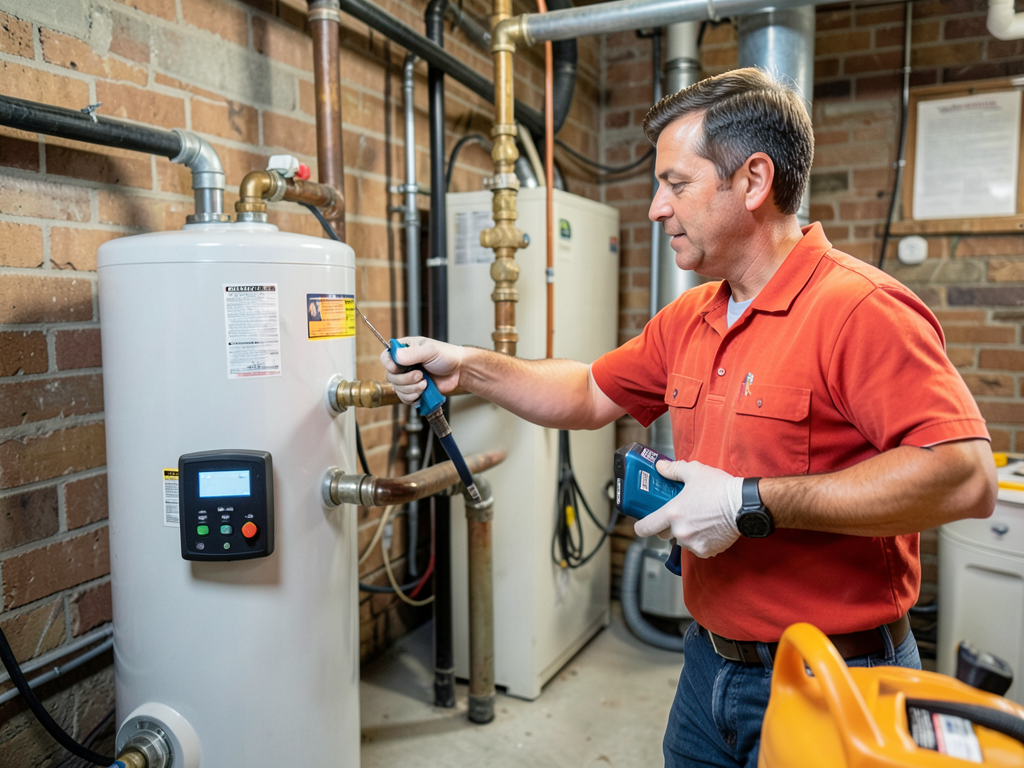
A professional water softening system uses ion exchange technology to remove calcium and magnesium ions from your water supply. As hard water passes through a tank filled with resin beads, the minerals are swapped for sodium or potassium ions, resulting in “soft” water that’s gentler on your hair, skin, and plumbing.
The installation process typically takes 4-6 hours for a qualified plumber. The system connects to your main water line, ensuring every tap in your home delivers soft water. Modern systems include digital controls that monitor water usage and automatically regenerate the resin when needed.
For DC homes, we often recommend systems with additional filtration stages to address other local water concerns. The Potomac River can contain sediment and occasional chlorine byproducts that affect water taste and quality. A multi-stage system might include sediment pre-filters, carbon filtration, and the water softening resin bed.
Maintenance is straightforward—most systems require adding salt to the brine tank every 4-8 weeks, depending on your household size and water usage. The resin bed typically lasts 10-15 years before needing replacement, making this a long-term investment in your home’s infrastructure and your family’s comfort.
Benefits Beyond Beautiful Hair and Skin
Installing a water softener provides benefits that extend far beyond improved hair and skin health. Soft water protects your entire plumbing system from scale buildup that can reduce water pressure and cause premature pipe failure. Safely Installing New Gas Lines for Your DC Kitchen Remodel.
Your appliances also benefit significantly. Water heaters, dishwashers, and washing machines operate more efficiently with soft water, often using 20-30% less energy. The lack of mineral scale means heating elements stay clean and water flows freely through pipes and valves.. Read more about Why Your Clothes Washer Fills So Slowly in Your Fairfax Village Apartment.
Soap and detergent usage drops dramatically with soft water. You’ll use less shampoo, body wash, laundry detergent, and dish soap while getting better cleaning results. Many homeowners report their clothes feel softer and colors stay brighter without the mineral deposits that dull fabrics over time.
Even your fixtures benefit. Faucets, showerheads, and glass shower doors stay cleaner without the constant battle against soap scum and mineral spots. This means less cleaning time and longer-lasting fixtures throughout your home.
Choosing the Right System for Your DC Home
Selecting the appropriate water treatment system depends on several factors specific to your home and location. A professional water test is the first step—this analyzes your exact water hardness level and identifies any additional contaminants that might need addressing.
DC’s older housing stock presents unique challenges. Many historic row homes have limited space for equipment installation, requiring compact or wall-mounted systems. Homes with lead service lines might need additional filtration to address lead concerns, while properties with well water in the surrounding Maryland and Virginia suburbs face different water quality issues.
Water usage patterns also matter. A household of four uses significantly more water than a single person or couple, requiring a larger capacity system. Peak usage times—typically morning and evening when everyone showers—determine the system’s flow rate requirements.
Energy efficiency varies between models. Some modern systems use demand-initiated regeneration, meaning they only clean the resin when necessary rather than on a timer. This saves water and salt while ensuring you always have soft water when you need it.
Installation and What to Expect
Professional installation ensures your water treatment system operates correctly and complies with all local plumbing codes. The process begins with a site assessment to determine the best location for the equipment, typically near the main water line entry point in your basement or utility area. Don’t Let Your Basement Flood—Expert Sump Pump Repair and Maintenance in Northwest DC.
Installation involves shutting off your home’s water supply temporarily, cutting into the main line, and installing the softener with bypass valves for maintenance. The system requires a nearby electrical outlet and a drain connection for the regeneration cycle. Most installations can be completed in a single day.
After installation, the system needs initial programming based on your water hardness level and household size. The plumber will demonstrate how to add salt, check salt levels, and adjust settings if needed. You’ll notice the difference in your water quality almost immediately—soap lathers better, and your skin feels noticeably smoother after showering.
Most systems come with a manufacturer’s warranty of 5-10 years on the tank and valve, with the resin bed covered for 10 years. Professional installation typically includes a one-year labor warranty, giving you peace of mind about your investment.
Maintaining Your Water Softener System
Proper maintenance keeps your water softener working efficiently for years. The most frequent task is checking and refilling the salt level in the brine tank. Most households need to add salt every 6-8 weeks, though this varies based on water usage and system size.
Annual professional maintenance includes checking the resin bed condition, cleaning the brine tank, and testing water hardness to ensure the system is functioning correctly. Some systems benefit from resin bed cleaning every few years to remove iron buildup that can reduce efficiency.
Watch for signs that your system needs attention: hard water spots reappearing on fixtures, reduced soap lathering, or changes in water taste. These symptoms often indicate low salt levels or system malfunction that requires professional diagnosis.
DC’s water quality can fluctuate seasonally, with higher mineral content sometimes occurring during certain times of year. Your system might need occasional adjustments to handle these variations effectively. A qualified plumber can monitor these changes and optimize your system’s performance.
Cost Considerations and ROI
The initial investment in a water softening system typically ranges from $1,500 to $3,000 installed, depending on the system size, features, and installation complexity. While this might seem substantial, the long-term savings often justify the expense.
Consider the costs you’re already incurring: specialty hair products for hard water, increased soap and detergent usage, potential plumbing repairs from scale buildup, and the shortened lifespan of water-using appliances. A softener can reduce these expenses significantly over its lifetime.
Energy savings provide another return on investment. Water heaters scale up 20-30% faster with hard water, reducing efficiency and increasing energy bills. Soft water can extend your water heater’s life by several years while lowering monthly utility costs.
Many DC homeowners find that the improved quality of life—better hair and skin, cleaner clothes, and easier home maintenance—provides value beyond the financial calculations. The system also increases your home’s appeal to potential buyers, as water quality is increasingly important to health-conscious buyers.
Frequently Asked Questions
Is hard water really that bad for my hair and skin?
Yes. Hard water minerals create a film that blocks moisture from penetrating your hair and skin. This leads to dryness, irritation, and can worsen conditions like eczema. Many people notice dramatic improvements in their hair and skin within weeks of installing a water softener.
How do I know if I have hard water in my DC home?
Common signs include soap that doesn’t lather well, white scale buildup on faucets, dry skin after showering, dull hair, and spots on dishes and glassware. You can also purchase a simple water hardness test kit or have a professional plumber test your water.
Will a water softener make my water taste salty?
No. The amount of sodium added during the softening process is minimal—typically less than 12.5 milligrams per 8-ounce glass, which is considered low-sodium by FDA standards. Most people cannot taste any difference in the water’s flavor.
How long does it take to install a water softener?
Most professional installations take 4-6 hours. The plumber will need access to your main water line, a drain, and an electrical outlet. Installation time can vary based on your home’s plumbing configuration and the system type you choose.
Can I install a water softener myself?
While DIY installation is possible, we strongly recommend professional installation. Water softeners require proper plumbing connections, electrical work, and knowledge of local building codes. Professional installation ensures the system works correctly and comes with a labor warranty.
Will a water softener remove all the minerals from my water?
Water softeners remove calcium and magnesium—the minerals that cause hardness—but they don’t remove all minerals. Some minerals like fluoride, which helps prevent tooth decay, remain in the water. If you need additional filtration, systems can be combined with other treatment options.
How much maintenance does a water softener require?
Basic maintenance involves checking salt levels monthly and adding salt every 6-8 weeks. Annual professional maintenance checks the system’s operation and resin bed condition. The resin typically lasts 10-15 years before needing replacement.
Will a water softener help with my plumbing problems?
Yes. Soft water prevents scale buildup in pipes and appliances, which can improve water pressure and extend the life of your plumbing system. It also reduces the risk of mineral-related clogs and can prevent the premature failure of water heaters and other appliances. Emergency Sump Pump Failure.
Is a water softener environmentally friendly?
Modern water softeners are designed to be efficient, using less water and salt than older models. Some systems feature demand-initiated regeneration that only cleans the resin when necessary. The environmental impact is generally lower than the energy waste from scale buildup in appliances.
How do I choose between different water softener brands?
Look for systems with good warranties, energy-efficient features, and positive customer reviews. Consider your household size, water hardness level, and available space. A professional plumber can recommend systems that work well in DC’s specific water conditions and housing types.
Take Control of Your Water Quality Today
Living with hard water damage to your hair and skin doesn’t have to be your reality. Washington DC’s mineral-rich water affects thousands of homeowners, but professional solutions exist that can transform your water quality and protect your home’s plumbing system.
The first step is understanding your specific water conditions. A simple water test reveals exactly what’s in your water and helps determine the best treatment approach for your home. Whether you live in a historic Capitol Hill row house or a modern condo in Navy Yard, there’s a water treatment solution that fits your needs.
Don’t let another day pass with damaged hair, irritated skin, and inefficient plumbing. The investment in a water softener pays for itself through reduced product usage, lower energy bills, and extended appliance life. Plus, you’ll enjoy the daily benefits of soft water on your hair, skin, and overall comfort.
Ready to solve your hard water problems? Call (771) 223-8111 today to schedule your water quality assessment. Our experienced plumbers serve all of Washington DC and can recommend the perfect water treatment system for your home. Stop fighting hard water and start enjoying the benefits of professionally treated water throughout your entire house.
Pick up the phone and call (771) 223-8111 before the next storm hits. Your hair, skin, and plumbing system will thank you.
Additional Resources
Learn more about water quality and plumbing solutions from these trusted sources:
- EPA National Primary Drinking Water Regulations
- CDC Water Quality Information
- Water Quality Association – Hard Water Information
{
“@context”: “https://schema.org”,
“@type”: “BlogPosting”,
“headline”: “Dealing with Hard Water Damage to Your Hair and Skin in Washington DC”,
“description”: “Discover how DC’s hard water affects your hair and skin. Learn about local water quality, mineral buildup, and professional solutions from Crestline Plumbing.”,
“wordCount”: 2681,
“datePublished”: “2026-05-26T07:39:00.000Z”,
“dateModified”: “2026-05-26T07:39:00.000Z”,
“inLanguage”: “en-US”,
“mainEntityOfPage”: {
“@type”: “WebPage”,
“@id”: “https://crestlineplumbingwashingtondc.com”
},
“publisher”: {
“@type”: “LocalBusiness”,
“name”: “Crestline Plumbing Washington DC”,
“url”: “https://crestlineplumbingwashingtondc.com”
},
“author”: {
“@type”: “Organization”,
“name”: “Crestline Plumbing Washington DC”,
“url”: “https://crestlineplumbingwashingtondc.com”
},
“image”: {
“@type”: “ImageObject”,
“url”: “https://crestlineplumbingwashingtondc.com/wp-content/uploads/2026/03/dealing-with-hard-water-damage-to-your-hair-and-sk-1.png”
}
}
{
“@context”: “https://schema.org”,
“@type”: “Plumber”,
“name”: “Crestline Plumbing Washington DC”,
“url”: “https://crestlineplumbingwashingtondc.com”,
“address”: {
“@type”: “PostalAddress”,
“addressLocality”: “Washington DC”
},
“areaServed”: {
“@type”: “City”,
“name”: “Washington DC”
}
}
{
“@context”: “https://schema.org”,
“@type”: “FAQPage”,
“mainEntity”: [
{
“@type”: “Question”,
“name”: “Is hard water really that bad for my hair and skin?”,
“acceptedAnswer”: {
“@type”: “Answer”,
“text”: “Yes. Hard water minerals create a film that blocks moisture from penetrating your hair and skin. This leads to dryness, irritation, and can worsen conditions like eczema. Many people notice dramatic improvements in their hair and skin within weeks of installing a water softener.”
}
},
{
“@type”: “Question”,
“name”: “How do I know if I have hard water in my DC home?”,
“acceptedAnswer”: {
“@type”: “Answer”,
“text”: “Common signs include soap that doesn’t lather well, white scale buildup on faucets, dry skin after showering, dull hair, and spots on dishes and glassware. You can also purchase a simple water hardness test kit or have a professional plumber test your water.”
}
},
{
“@type”: “Question”,
“name”: “Will a water softener make my water taste salty?”,
“acceptedAnswer”: {
“@type”: “Answer”,
“text”: “No. The amount of sodium added during the softening process is minimal—typically less than 12.5 milligrams per 8-ounce glass, which is considered low-sodium by FDA standards. Most people cannot taste any difference in the water’s flavor.”
}
},
{
“@type”: “Question”,
“name”: “How long does it take to install a water softener?”,
“acceptedAnswer”: {
“@type”: “Answer”,
“text”: “Most professional installations take 4-6 hours. The plumber will need access to your main water line, a drain, and an electrical outlet. Installation time can vary based on your home’s plumbing configuration and the system type you choose.”
}
},
{
“@type”: “Question”,
“name”: “Can I install a water softener myself?”,
“acceptedAnswer”: {
“@type”: “Answer”,
“text”: “While DIY installation is possible, we strongly recommend professional installation. Water softeners require proper plumbing connections, electrical work, and knowledge of local building codes. Professional installation ensures the system works correctly and comes with a labor warranty.”
}
},
{
“@type”: “Question”,
“name”: “Will a water softener remove all the minerals from my water?”,
“acceptedAnswer”: {
“@type”: “Answer”,
“text”: “Water softeners remove calcium and magnesium—the minerals that cause hardness—but they don’t remove all minerals. Some minerals like fluoride, which helps prevent tooth decay, remain in the water. If you need additional filtration, systems can be combined with other treatment options.”
}
},
{
“@type”: “Question”,
“name”: “How much maintenance does a water softener require?”,
“acceptedAnswer”: {
“@type”: “Answer”,
“text”: “Basic maintenance involves checking salt levels monthly and adding salt every 6-8 weeks. Annual professional maintenance checks the system’s operation and resin bed condition. The resin typically lasts 10-15 years before needing replacement.”
}
},
{
“@type”: “Question”,
“name”: “Will a water softener help with my plumbing problems?”,
“acceptedAnswer”: {
“@type”: “Answer”,
“text”: “Yes. Soft water prevents scale buildup in pipes and appliances, which can improve water pressure and extend the life of your plumbing system. It also reduces the risk of mineral-related clogs and can prevent the premature failure of water heaters and other appliances. Emergency Sump Pump Failure.”
}
},
{
“@type”: “Question”,
“name”: “Is a water softener environmentally friendly?”,
“acceptedAnswer”: {
“@type”: “Answer”,
“text”: “Modern water softeners are designed to be efficient, using less water and salt than older models. Some systems feature demand-initiated regeneration that only cleans the resin when necessary. The environmental impact is generally lower than the energy waste from scale buildup in appliances.”
}
},
{
“@type”: “Question”,
“name”: “How do I choose between different water softener brands?”,
“acceptedAnswer”: {
“@type”: “Answer”,
“text”: “Look for systems with good warranties, energy-efficient features, and positive customer reviews. Consider your household size, water hardness level, and available space. A professional plumber can recommend systems that work well in DC’s specific water conditions and housing types.”
}
}
]
}
{
“@context”: “https://schema.org”,
“@type”: “BreadcrumbList”,
“itemListElement”: [
{
“@type”: “ListItem”,
“position”: 1,
“name”: “Home”,
“item”: “https://crestlineplumbingwashingtondc.com”
},
{
“@type”: “ListItem”,
“position”: 2,
“name”: “Blog”,
“item”: “https://crestlineplumbingwashingtondc.com/blog”
},
{
“@type”: “ListItem”,
“position”: 3,
“name”: “Dealing with Hard Water Damage to Your Hair and Skin in Washington DC”
}
]
}
{
“@context”: “https://schema.org”,
“@type”: “Service”,
“serviceType”: “Plumbing”,
“provider”: {
“@type”: “LocalBusiness”,
“name”: “Crestline Plumbing Washington DC”,
“url”: “https://crestlineplumbingwashingtondc.com”
},
“areaServed”: {
“@type”: “City”,
“name”: “Washington DC”
},
“description”: “Discover how DC’s hard water affects your hair and skin. Learn about local water quality, mineral buildup, and professional solutions from Crestline Plumbing.”
}