
Adding a Utility Sink to Your Garage or Workshop in Berkley
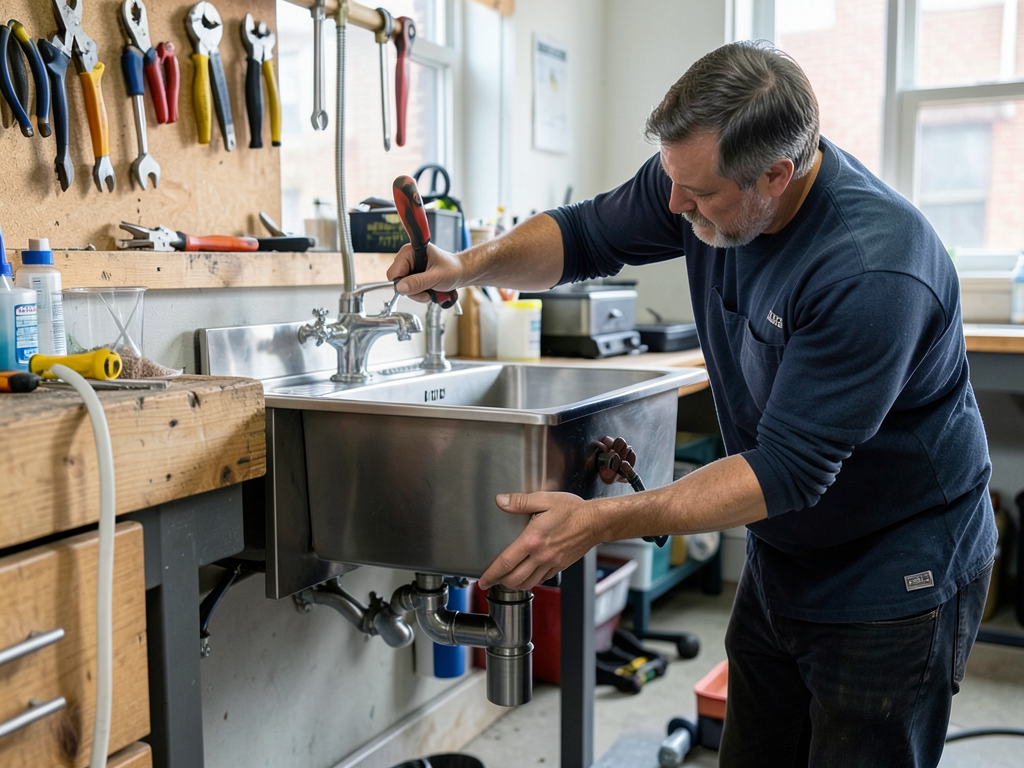
Installing a utility sink in your garage or workshop transforms the space into a true functional hub. Whether you need to rinse paintbrushes, wash gardening tools, or clean muddy boots before entering your home, a dedicated sink provides convenience and protects your indoor plumbing from heavy-duty use. In Berkley, where many homes feature detached garages and workshop spaces, this upgrade is especially practical for hobbyists, DIYers, and homeowners who value a clean, organized workspace. Common Plumbing Problems in Historic Capitol Hill Rowhouses (and How We Fix Them).
Adding a utility sink requires more than just picking out a basin. You need to consider water supply lines, drainage solutions, venting requirements, and local building codes. In Washington DC, the Department of Buildings (DOB) enforces strict regulations on new plumbing installations, and failing to comply can result in fines or failed inspections. This guide walks you through the process step-by-step, helping you understand when to call a licensed plumber and how to choose the right setup for your Berkley property. DC Department of Energy and Environment.
The climate in the DMV area adds another layer of complexity. Berkley garages often lack insulation, exposing plumbing to freezing temperatures in winter. Without proper precautions, your new sink could become a liability rather than an asset. We’ll cover insulation strategies, freeze protection, and material choices that withstand DC’s seasonal extremes.. Read more about How to navigate DC plumbing permits for your basement renovation in Brookland.
By the end of this article, you’ll know exactly what’s involved in adding a utility sink to your garage or workshop, from initial planning to final inspection. You’ll also understand the local factors that make professional installation the safest and most reliable option for Berkley homeowners.
Why Install a Utility Sink in Your Berkley Garage?
A utility sink serves as a workhorse for messy tasks that would otherwise damage your kitchen or bathroom fixtures. In Berkley, where many homes have detached garages or standalone workshops, having a sink nearby keeps dirt, chemicals, and debris outside your living space. Gardeners can rinse soil from tools and pots without clogging indoor drains. Mechanics can clean greasy parts without risking plumbing blockages. Pet owners can bathe dogs in a contained area, avoiding bathroom messes.
The benefits extend beyond convenience. A utility sink can increase your property value by enhancing the functionality of your garage or workshop. Potential buyers see it as a professional-grade upgrade that signals a well-maintained, purpose-built space. In Berkley’s competitive real estate market, these details matter.
Local conditions make this upgrade particularly valuable. Berkley’s clay-heavy soil can cause drainage issues, and having a dedicated utility sink with proper venting prevents backups in your main plumbing system. Additionally, many Berkley homes are older constructions where adding a utility sink requires careful integration with existing cast iron or galvanized pipes. A professional plumber understands how to tie into these systems without causing leaks or pressure imbalances. Who to Call When You Need an Emergency Plumber in Georgetown Right Away.
Beyond practical uses, a utility sink supports hobby spaces. Woodworkers can clean sawdust and glue residue. Artists can wash brushes and palettes. Home brewers can sanitize equipment. The versatility makes it a worthwhile investment for anyone who spends significant time in their garage or workshop.
Technical Considerations for DC Homeowners
Installing a utility sink in your Berkley garage involves several technical challenges unique to Washington DC’s building environment. First, you must address drainage. Most garages lack existing floor drains, so you’ll need to create a new drainage path. This often means cutting into concrete floors to install PVC piping that connects to your home’s main sewer line or septic system. In older Berkley homes, this may involve working with clay or cast iron pipes that require specialized fittings and sealing techniques. Safely Installing New Gas Lines for Your DC Kitchen Remodel.
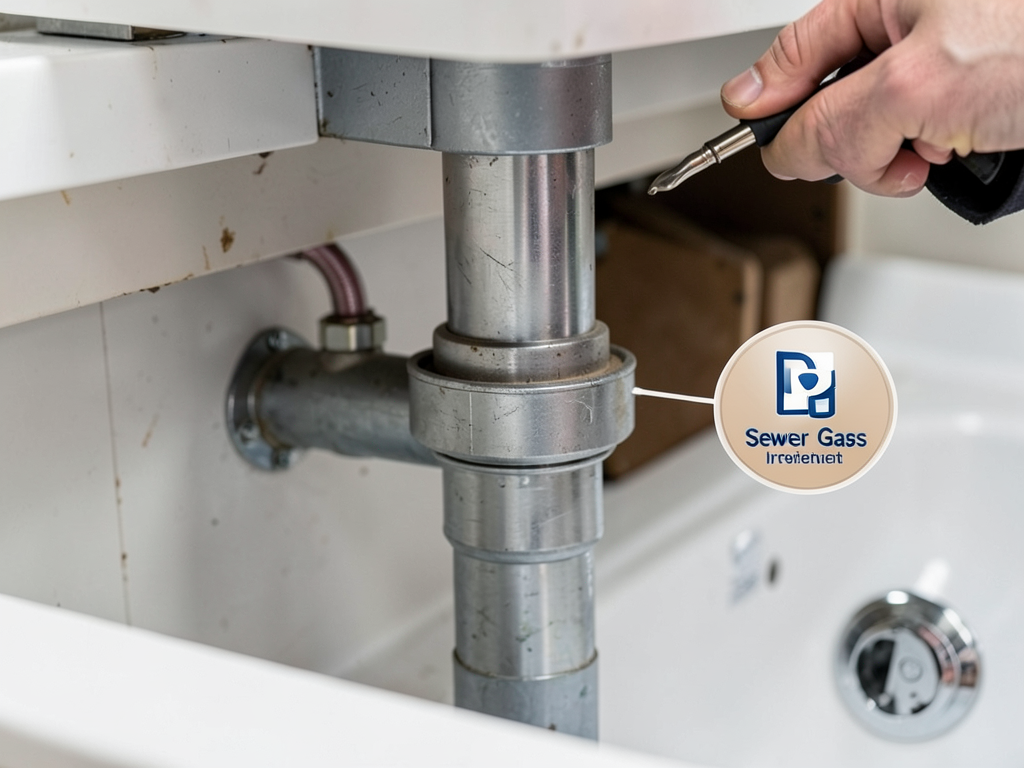
Venting presents another critical consideration. Every plumbing fixture needs proper venting to prevent sewer gases from entering your living space and to ensure smooth drainage. In a garage setup, you might need to extend existing vent stacks or install new ones through the roof. The International Plumbing Code (IPC) requires vents to be at least 1.5 inches in diameter for utility sinks, and improper venting can cause slow drainage or gurgling sounds. International Plumbing Code.
Water supply installation requires careful planning. You’ll need to tap into existing hot and cold water lines, typically using copper or PEX piping. In Berkley’s older homes, copper is more common, requiring soldering skills and proper pressure testing. PEX offers flexibility and freeze resistance but must be installed according to manufacturer specifications and local codes.
Winterization is crucial in Berkley’s climate. Uninsulated garages can reach freezing temperatures, causing pipes to burst. You’ll need to install heat tape, insulate supply lines, and consider freeze-proof faucets. Some homeowners opt for electric tankless water heaters for their utility sinks, eliminating the need for long hot water runs and reducing freeze risk. Choosing the Best Tankless Water Heater for Your Small Washington DC Condo.
Permitting requirements add another layer of complexity. The DC Department of Buildings requires permits for new plumbing installations that alter existing systems. This includes new water lines, drainage modifications, and vent additions. Skipping permits can result in fines and complicate future home sales.
Choosing the Right Utility Sink for Your Space
Selecting the appropriate utility sink depends on your specific needs and space constraints. Wall-mounted stainless steel sinks offer durability and easy cleaning but require sturdy wall backing to support the weight when filled with water. These work well in workshops where floor space is at a premium.
Floor-standing utility tubs provide more capacity and stability, making them ideal for garages where you might wash large items or need a deeper basin. Look for heavy-duty polypropylene models that resist chemicals and won’t rust or stain. Some models include built-in cabinets for storing cleaning supplies and tools.
Size matters significantly. A 20-gallon capacity sink handles most household tasks, but if you frequently work with large containers or need to soak items, consider a 40-gallon model. Measure your available space carefully, accounting for faucet clearance and any planned shelving above the sink.
Faucet selection impacts functionality. A high-arc faucet with a pull-out sprayer provides flexibility for cleaning large items and reaching into corners. Look for models with ceramic disc valves that resist wear and provide smooth operation. Some utility sinks come with pre-drilled faucet holes, while others require custom drilling.
Material durability is crucial in Berkley’s climate. Stainless steel resists corrosion and cleans easily but can dent if heavy objects are dropped. Polypropylene offers excellent chemical resistance and won’t rust, making it ideal for workshops where you might use solvents or harsh cleaners. Composite materials provide a balance of durability and aesthetics.
Consider accessories that enhance functionality. Built-in soap dispensers, towel bars, and cutting boards can make your utility sink more versatile. Some models include integrated drain boards for drying items or catching drips.
DC Plumbing Codes and Permit Requirements
Washington DC enforces strict plumbing regulations through the Department of Buildings (DOB). Any new plumbing installation that modifies existing systems requires a permit. For a utility sink in your Berkley garage, you’ll need permits for new water supply lines, drainage modifications, and venting changes. The DOB requires licensed plumbers to pull these permits, ensuring work meets current safety standards.
The District of Columbia Plumbing Code, based on the International Plumbing Code (IPC), mandates specific requirements for utility sink installations. Drainage pipes must be at least 1.5 inches in diameter, and P-traps are required to prevent sewer gas entry. Vent pipes need to extend at least 6 inches above the roofline and cannot be smaller than 1.25 inches in diameter.
Backflow prevention is another critical code requirement. If your utility sink could potentially contaminate the potable water supply, you need an approved backflow prevention device. This is particularly important if you use the sink for chemical cleaning or if it’s located below the level of your home’s main drain line.
Water hammer arrestors may be required on supply lines to prevent pipe damage from sudden pressure changes. The DOB inspector will check for these during final inspection. Missing required components can result in failed inspections and costly rework.
Historic preservation guidelines apply in certain Berkley areas, particularly near older homes or designated historic districts. These may restrict exterior modifications, including new vent stacks or drainage alterations visible from the street. Always check with the Historic Preservation Office before beginning work.
Insurance considerations matter too. Unpermitted plumbing work can void your homeowner’s insurance if problems arise later. Professional installation with proper permits protects your investment and ensures compliance with all applicable regulations.
Installation Process: What to Expect
Professional utility sink installation follows a systematic process that ensures code compliance and long-term reliability. The first step involves site assessment, where a plumber evaluates your garage’s existing plumbing, identifies the best location for the sink, and determines the most efficient route for water supply and drainage lines.
During the rough-in phase, the plumber cuts access holes in walls or floors to run new piping. This may involve breaking through concrete floors to install drainage pipes or creating wall openings for vent stacks. The plumber installs shut-off valves on both hot and cold supply lines, allowing you to control water flow without affecting your home’s main supply.
P-trap installation comes next, ensuring proper drainage and preventing sewer gas entry. The plumber connects the P-trap to your home’s main drain line, which may require accessing pipes in crawl spaces or basements. This connection must be watertight and properly sloped to prevent standing water. Don’t Let Your Basement Flood—Expert Sump Pump Repair and Maintenance in Northwest DC.
Vent installation follows, either by extending existing vent stacks or creating new ones. Proper venting prevents slow drainage and eliminates gurgling sounds. The plumber ensures vents extend above the roofline and are positioned away from windows and air intakes.
Once rough plumbing passes inspection, the plumber installs the sink itself. This involves mounting wall brackets or securing floor-standing units, connecting supply lines, and attaching the faucet. The plumber tests all connections for leaks under pressure and ensures proper drainage flow.
Final inspection by the DOB ensures all work meets code requirements. The inspector checks pipe sizing, venting, backflow prevention, and overall installation quality. Any deficiencies must be corrected before final approval.
Throughout the process, the plumber addresses unexpected challenges like hidden pipes, structural obstacles, or code violations in existing systems. Professional experience helps anticipate and solve these issues efficiently.
Cost Factors in the DMV Area
Utility sink installation costs in Berkley and the broader DMV area vary significantly based on several factors. Basic installations in accessible locations with existing plumbing nearby might cost $800-$1,500. However, complex projects involving concrete cutting, extensive pipe runs, or historic home modifications can exceed $3,000.
Labor rates in Washington DC are higher than national averages due to the cost of living and strict licensing requirements. Master plumbers charge $100-$150 per hour, while journeymen charge $75-$100 per hour. A typical installation requires 8-12 hours of labor, including site preparation, installation, testing, and cleanup.
Material costs vary by quality and type. Basic polypropylene utility tubs cost $100-$300, while heavy-duty stainless steel models range from $300-$800. High-quality faucets with pull-out sprayers add $150-$400. Supply lines, fittings, and venting materials typically cost $200-$500.
Permit fees add $100-$300 to your total cost, depending on the scope of work. Some jurisdictions require additional fees for inspections or plan reviews. These fees are non-negotiable and must be paid regardless of who performs the work.
Unexpected complications can significantly increase costs. Discovering corroded pipes during installation might require replacement of entire sections. Structural modifications to accommodate new plumbing can add hundreds of dollars. Working in confined spaces or historic homes often requires additional labor hours.
DIY installation might seem cost-effective, but mistakes can be expensive. Incorrect pipe sizing, improper venting, or code violations can lead to failed inspections, water damage, or the need to hire professionals to correct errors. Professional installation includes warranties and ensures code compliance.
Consider long-term value when evaluating costs. Professional installation prevents future problems, maintains your home’s value, and ensures compliance with insurance requirements. The peace of mind from knowing your installation meets all safety standards often justifies the higher upfront cost.
Maintenance and Care for Your Utility Sink
Proper maintenance ensures your utility sink serves you well for years. Regular cleaning prevents buildup of soap scum, mineral deposits, and grime. Use non-abrasive cleaners on stainless steel to avoid scratching the surface. For polypropylene sinks, mild detergents work well without damaging the material.
Check supply lines annually for signs of wear or corrosion. Look for moisture around connections, which indicates potential leaks. Replace supply lines every 5-7 years as preventive maintenance, even if they appear functional. Older rubber hoses can burst without warning, causing water damage.
Inspect the P-trap periodically for leaks or blockages. Slow drainage often indicates partial clogs that need attention. Remove and clean the P-trap annually to prevent buildup of debris. Check vent pipes for obstructions like bird nests or leaves that could impair function.
In winter, take extra precautions to prevent freezing. Insulate exposed pipes with foam sleeves or heat tape. Keep garage temperatures above freezing when possible, using space heaters if necessary. Disconnect and drain outdoor hoses before cold weather arrives.
Address problems promptly. Small leaks can cause significant damage over time. If you notice reduced water pressure, unusual sounds, or slow drainage, investigate immediately. These symptoms often indicate developing issues that are easier to fix when caught early.
Professional inspections every few years can identify potential problems before they become emergencies. A plumber can check for hidden leaks, test water pressure, and ensure all components function properly. This preventive maintenance extends the life of your utility sink and prevents costly repairs.
Keep a basic repair kit handy for minor issues. Include plumber’s tape, adjustable wrench, replacement washers, and a plunger. Knowing how to shut off water supply quickly can prevent damage if a pipe bursts or a connection fails.
Common Problems and Solutions
Even well-installed utility sinks can develop issues over time. Understanding common problems helps you address them quickly or know when to call a professional.
Slow drainage is one of the most frequent complaints. This usually results from partial clogs in the P-trap or drain line. Try using a plunger first, then remove and clean the P-trap if plunging doesn’t work. Avoid chemical drain cleaners, which can damage pipes and harm the environment.
Leaky faucets waste water and increase utility bills. Most leaks result from worn washers or O-rings. Turn off water supply, disassemble the faucet, and replace worn components. If the leak persists, the valve seat may be damaged and require professional repair.
Water hammer, the banging sound when turning off faucets, indicates pressure issues. Install water hammer arrestors near the sink to absorb shock waves. If the problem affects your entire home, you may need a pressure-reducing valve on your main supply line.
Frozen pipes are a serious winter hazard in Berkley. If you discover frozen pipes, thaw them slowly using a hair dryer or heat lamp. Never use open flames, which can damage pipes or cause fires. Once thawed, insulate pipes and consider heat tape for future protection.
Sewer odors indicate problems with the P-trap or vent system. Check that the P-trap contains water, as evaporation can allow gases to enter. If odors persist, the vent may be blocked or improperly installed, requiring professional attention.
Cracked or damaged sinks need prompt replacement. Small cracks can expand, causing leaks and water damage. Choose replacement sinks that match your existing plumbing configuration to minimize installation costs.
Low water pressure might result from mineral buildup in supply lines or a failing pressure regulator. Clean aerators and showerheads first. If pressure remains low throughout your home, have a plumber test your system and identify the cause.
Understanding these common issues helps you maintain your utility sink effectively. When problems exceed your DIY skills, professional help ensures proper repairs and prevents further damage.
DIY vs. Professional Installation: Making the Right Choice
Deciding between DIY and professional installation depends on your skills, tools, and the project’s complexity. Simple replacements of existing fixtures might be manageable for experienced DIYers. However, new installations involving drainage modifications, venting, or permit requirements typically require professional expertise.
DIY advantages include cost savings on labor and the satisfaction of completing the project yourself. You control the timeline and can work at your own pace. Basic tools like wrenches, pipe cutters, and soldering equipment are often already in your workshop.
However, DIY risks are significant. Improper installation can cause water damage, mold growth, or code violations. Mistakes often cost more to fix than professional installation would have cost initially. Without proper permits, you risk fines and insurance complications.
Professional installation offers several advantages. Licensed plumbers understand local codes and pull necessary permits. They have specialized tools and experience handling unexpected problems. Most importantly, professional work includes warranties covering both labor and materials.
Consider your skill level honestly. Do you understand how to size pipes correctly? Can you properly vent a fixture to prevent sewer gas entry? Are you comfortable cutting into concrete floors or walls? If you answer no to any of these questions, professional installation is likely the better choice.
Time is another factor. What might take a professional 8 hours could take you several weekends, especially if you need to learn techniques as you go. Your time has value, and mistakes can significantly extend project duration.
Safety considerations matter too. Working with plumbing involves water, which can cause extensive damage if mishandled. Electrical components near water require proper grounding. Gas lines, if present, need careful handling to prevent leaks.
Finally, consider resale value. Professional installation with proper permits maintains your home’s value and prevents complications during future sales. DIY work, even if done correctly, might raise questions during home inspections.
Enhancing Your Utility Sink Area
Once your utility sink is installed, consider enhancements that maximize its functionality and integrate it seamlessly into your garage or workshop space.
Storage solutions keep your workspace organized. Install shelves above the sink for cleaning supplies, tools, and frequently used items. Consider a cabinet under the sink for chemicals and materials you want to keep out of sight. Wall-mounted organizers for brushes, sponges, and spray bottles keep countertops clear.
Lighting improvements make the sink area more functional. Under-cabinet LED strips provide task lighting for detailed work. Overhead fixtures with good color rendering help you see true colors when mixing paints or matching materials. Motion-sensor lights add convenience when your hands are full.
Countertop additions create dedicated work surfaces. Install a waterproof countertop that extends from the sink for potting plants, cleaning tools, or working on small projects. Choose materials that resist chemicals and clean easily, like stainless steel, epoxy resin, or sealed concrete.
Backsplash protection prevents water damage to walls. Install tile, stainless steel panels, or waterproof paint in the area around the sink. This is especially important if your sink is near wood paneling or drywall that could be damaged by moisture.
Utility sink accessories enhance functionality. Soap dispensers eliminate clutter from soap bottles. Paper towel holders keep cleaning supplies handy. Cutting boards that fit over the sink create additional workspace when needed.
Consider adding a small water heater if your sink is far from your home’s main water heater. Point-of-use electric tankless heaters provide instant hot water without long wait times or wasted water. This is particularly useful in unheated garages where hot water would otherwise take time to arrive.
Organization systems keep the area tidy. Install hooks for hanging tools, a magnetic strip for metal items, or pegboard for customizable storage. Label shelves and containers to maintain organization over time.
Climate control improvements make the space more comfortable. If your garage lacks heating, consider a small space heater for winter use. Proper ventilation prevents moisture buildup and reduces the risk of mold growth.
These enhancements transform a basic utility sink into a complete workstation that supports your hobbies and projects efficiently.
Environmental Considerations
Modern utility sink installations can incorporate environmentally friendly features that conserve water and reduce chemical pollution. Low-flow faucets with aerators maintain good pressure while using less water. Look for WaterSense certified fixtures that meet EPA efficiency standards.
Greywater systems can divert sink water to landscaping or garden areas. This requires careful planning to ensure soaps and detergents won’t harm plants. Use biodegradable, plant-safe cleaning products if you implement greywater recycling.
Energy-efficient water heaters reduce electricity consumption. Tankless electric models heat water only when needed, eliminating standby energy losses. Solar water heaters, while more expensive initially, can provide free hot water in sunny locations.
Proper drainage prevents chemical contamination of local waterways. Never pour hazardous materials like paint thinners, solvents, or pesticides down your utility sink. These substances can harm aquatic life and contaminate groundwater. Use designated collection containers for hazardous waste and dispose of them properly.
Water conservation habits make a significant difference. Fix leaks promptly, as a dripping faucet can waste hundreds of gallons annually. Use sink water efficiently by turning off taps while scrubbing or brushing. Consider collecting rainwater for outdoor cleaning tasks when possible.
Material choices impact environmental footprint. Recycled content sinks and fixtures reduce resource consumption. Durable materials that last longer mean less frequent replacement and less waste. Choose products with minimal packaging to reduce waste.
Local regulations may restrict certain practices. Some jurisdictions prohibit greywater systems or require specific backflow prevention devices. Always check with local authorities before implementing water-saving features.
Educational aspects matter too. Label hazardous waste collection containers clearly and educate family members about proper disposal methods. Create a system that makes environmentally responsible choices easy and convenient.
Environmental considerations add value beyond cost savings. They demonstrate responsible stewardship and can be selling points if you ever move. Many buyers appreciate homes with sustainable features and lower utility costs.
Frequently Asked Questions
How long does utility sink installation typically take?
Most professional installations take 6-10 hours, depending on complexity. Simple replacements might finish in 4 hours, while new installations requiring concrete cutting or extensive plumbing modifications can take 12-16 hours spread over multiple days.
Do I need a permit to install a utility sink in my garage?
Yes, in Washington DC you need permits for new plumbing installations that modify existing systems. This includes new water lines, drainage changes, and venting additions. Licensed plumbers pull these permits as part of professional installation services.
Can I install a utility sink in an unheated garage?
Yes, but you must take precautions against freezing. Insulate pipes, install heat tape, and consider freeze-proof faucets. Some homeowners use electric tankless water heaters that eliminate long pipe runs and reduce freeze risk.
What’s the best material for a garage utility sink?
Stainless steel offers durability and easy cleaning but can dent. Polypropylene resists chemicals and won’t rust, making it ideal for workshops. The best choice depends on your specific needs and the types of materials you’ll be cleaning.
How much does professional utility sink installation cost in Berkley?
Costs range from $800-$3,000 depending on complexity. Basic installations start around $800, while projects involving concrete cutting, extensive plumbing, or historic home modifications can exceed $3,000.
Can I use my utility sink for pet washing?
Absolutely. Many homeowners install utility sinks specifically for pet bathing. Choose a model with good depth and consider a sprayer attachment for easier rinsing. Ensure proper drainage to handle pet hair and prevent clogs.
What maintenance does a utility sink require?
Regular cleaning, annual P-trap inspection, and checking supply lines for leaks are essential. In winter, protect pipes from freezing. Professional inspections every few years can identify potential problems early.
Will a utility sink increase my home’s value?
Yes, a well-installed utility sink can increase property value by enhancing garage or workshop functionality. It’s particularly valuable in Berkley where many homes have detached garages or dedicated workshop spaces.
Conclusion
Adding a utility sink to your garage or workshop in Berkley is a smart investment that enhances your home’s functionality and convenience. Whether you’re a dedicated DIYer, a gardening enthusiast, or simply someone who values a clean, organized workspace, this upgrade provides immediate benefits while potentially increasing your property value.
The key to successful installation lies in understanding local requirements and choosing the right approach for your specific situation. Washington DC’s building codes, Berkley’s climate conditions, and your home’s existing plumbing all influence the best installation method. Professional installation ensures code compliance, proper permitting, and long-term reliability.
Remember that this is more than just adding a sink. It’s about creating a functional space that supports your hobbies and projects while protecting your home’s main plumbing system from heavy-duty use. The right utility sink, properly installed, becomes an essential tool that makes countless tasks easier and cleaner.
If you’re ready to transform your garage or workshop with a professional utility sink installation, don’t risk DIY mistakes or code violations. Call (771) 223-8111 today to schedule your consultation. Our licensed plumbers understand Berkley’s unique requirements and will ensure your new sink meets all local codes while providing years of reliable service.
Pick up the phone and call (771) 223-8111 before the next project leaves you wishing for a convenient place to clean up. Your perfect utility sink is just one call away.
{
“@context”: “https://schema.org”,
“@type”: “BlogPosting”,
“headline”: “Adding a Utility Sink to Your Garage or Workshop in Berkley”,
“description”: “Learn how to add a durable utility sink to your Berkley garage or workshop with expert plumbing tips, local code compliance, and DC-specific installation guidance.”,
“wordCount”: 4219,
“datePublished”: “2026-05-19T09:34:00.000Z”,
“dateModified”: “2026-05-19T09:34:00.000Z”,
“inLanguage”: “en-US”,
“mainEntityOfPage”: {
“@type”: “WebPage”,
“@id”: “https://crestlineplumbingwashingtondc.com”
},
“publisher”: {
“@type”: “LocalBusiness”,
“name”: “Crestline Plumbing Washington DC”,
“url”: “https://crestlineplumbingwashingtondc.com”
},
“author”: {
“@type”: “Organization”,
“name”: “Crestline Plumbing Washington DC”,
“url”: “https://crestlineplumbingwashingtondc.com”
},
“image”: {
“@type”: “ImageObject”,
“url”: “https://crestlineplumbingwashingtondc.com/wp-content/uploads/2026/03/adding-a-utility-sink-to-your-garage-or-workshop-i-1.png”
}
}
{
“@context”: “https://schema.org”,
“@type”: “Plumber”,
“name”: “Crestline Plumbing Washington DC”,
“url”: “https://crestlineplumbingwashingtondc.com”,
“address”: {
“@type”: “PostalAddress”,
“addressLocality”: “Washington DC”
},
“areaServed”: {
“@type”: “City”,
“name”: “Washington DC”
}
}
{
“@context”: “https://schema.org”,
“@type”: “FAQPage”,
“mainEntity”: [
{
“@type”: “Question”,
“name”: “Why Install a Utility Sink in Your Berkley Garage?”,
“acceptedAnswer”: {
“@type”: “Answer”,
“text”: “A utility sink serves as a workhorse for messy tasks that would otherwise damage your kitchen or bathroom fixtures. In Berkley, where many homes have detached garages or standalone workshops, having a sink nearby keeps dirt, chemicals, and debris outside your living space. Gardeners can rinse soil from tools and pots without clogging indoor drains. Mechanics can clean greasy parts without risking plumbing blockages. Pet owners can bathe dogs in a contained area, avoiding bathroom messes.”
}
},
{
“@type”: “Question”,
“name”: “How long does utility sink installation typically take?”,
“acceptedAnswer”: {
“@type”: “Answer”,
“text”: “Most professional installations take 6-10 hours, depending on complexity. Simple replacements might finish in 4 hours, while new installations requiring concrete cutting or extensive plumbing modifications can take 12-16 hours spread over multiple days.”
}
},
{
“@type”: “Question”,
“name”: “Do I need a permit to install a utility sink in my garage?”,
“acceptedAnswer”: {
“@type”: “Answer”,
“text”: “Yes, in Washington DC you need permits for new plumbing installations that modify existing systems. This includes new water lines, drainage changes, and venting additions. Licensed plumbers pull these permits as part of professional installation services.”
}
},
{
“@type”: “Question”,
“name”: “Can I install a utility sink in an unheated garage?”,
“acceptedAnswer”: {
“@type”: “Answer”,
“text”: “Yes, but you must take precautions against freezing. Insulate pipes, install heat tape, and consider freeze-proof faucets. Some homeowners use electric tankless water heaters that eliminate long pipe runs and reduce freeze risk.”
}
},
{
“@type”: “Question”,
“name”: “What’s the best material for a garage utility sink?”,
“acceptedAnswer”: {
“@type”: “Answer”,
“text”: “Stainless steel offers durability and easy cleaning but can dent. Polypropylene resists chemicals and won’t rust, making it ideal for workshops. The best choice depends on your specific needs and the types of materials you’ll be cleaning.”
}
},
{
“@type”: “Question”,
“name”: “How much does professional utility sink installation cost in Berkley?”,
“acceptedAnswer”: {
“@type”: “Answer”,
“text”: “Costs range from $800-$3,000 depending on complexity. Basic installations start around $800, while projects involving concrete cutting, extensive plumbing, or historic home modifications can exceed $3,000.”
}
},
{
“@type”: “Question”,
“name”: “Can I use my utility sink for pet washing?”,
“acceptedAnswer”: {
“@type”: “Answer”,
“text”: “Absolutely. Many homeowners install utility sinks specifically for pet bathing. Choose a model with good depth and consider a sprayer attachment for easier rinsing. Ensure proper drainage to handle pet hair and prevent clogs.”
}
},
{
“@type”: “Question”,
“name”: “What maintenance does a utility sink require?”,
“acceptedAnswer”: {
“@type”: “Answer”,
“text”: “Regular cleaning, annual P-trap inspection, and checking supply lines for leaks are essential. In winter, protect pipes from freezing. Professional inspections every few years can identify potential problems early.”
}
},
{
“@type”: “Question”,
“name”: “Will a utility sink increase my home’s value?”,
“acceptedAnswer”: {
“@type”: “Answer”,
“text”: “Yes, a well-installed utility sink can increase property value by enhancing garage or workshop functionality. It’s particularly valuable in Berkley where many homes have detached garages or dedicated workshop spaces.”
}
}
]
}
{
“@context”: “https://schema.org”,
“@type”: “BreadcrumbList”,
“itemListElement”: [
{
“@type”: “ListItem”,
“position”: 1,
“name”: “Home”,
“item”: “https://crestlineplumbingwashingtondc.com”
},
{
“@type”: “ListItem”,
“position”: 2,
“name”: “Blog”,
“item”: “https://crestlineplumbingwashingtondc.com/blog”
},
{
“@type”: “ListItem”,
“position”: 3,
“name”: “Adding a Utility Sink to Your Garage or Workshop in Berkley”
}
]
}
{
“@context”: “https://schema.org”,
“@type”: “Service”,
“serviceType”: “Plumbing”,
“provider”: {
“@type”: “LocalBusiness”,
“name”: “Crestline Plumbing Washington DC”,
“url”: “https://crestlineplumbingwashingtondc.com”
},
“areaServed”: {
“@type”: “City”,
“name”: “Washington DC”
},
“description”: “Learn how to add a durable utility sink to your Berkley garage or workshop with expert plumbing tips, local code compliance, and DC-specific installation guidance.”
}