
Deciding Between a Tankless or Storage Tank Water Heater for Your Growing Family in Fort Davis
Choosing the right water heater for your Fort Davis home means balancing hot water demands, energy costs, and space constraints. Tankless units deliver endless hot water on demand and free up valuable basement space in older DC row homes, while traditional tanks offer lower upfront costs and simpler installation. Your decision depends on household size, water usage patterns, and whether you want to maximize energy savings over time. Choosing the Best Tankless Water Heater for Your Small Washington DC Condo.
Fort Davis homes built before the 1950s often have limited mechanical room space and aging galvanized pipes that reduce flow rates. These factors can influence whether a compact tankless system or a standard 40- to 80-gallon tank makes more sense. Local utility rebates through Washington Gas and DCSEU can offset the higher initial price of high-efficiency models, making the long-term investment more attractive. Washington Gas Rebates.
Water hardness in the District averages 8-10 grains per gallon, which affects both types of heaters. Tankless units require annual descaling to prevent scale buildup on heat exchangers, while tanks need anode rod replacement every few years to prevent corrosion. Understanding these maintenance needs helps you avoid unexpected repair costs and ensures reliable hot water for your growing family.. Read more about Why the Small Tank Above Your Water Heater is Leaking in Your Kent Home.
Quick Comparison: At-a-Glance Differences
| Feature | Tankless Water Heater | Storage Tank Water Heater |
|---|---|---|
| Upfront Cost | $2,500-$4,500 | $800-$1,800 |
| Energy Efficiency | 95-99% (EF 0.82-0.94) | 60-70% (EF 0.58-0.67) |
| Space Required | Wall-mounted, 2-3 sq ft | Floor space, 4-5 sq ft |
| Lifespan | 20+ years | 10-15 years |
| Hot Water Capacity | Endless (5-10 GPM) | Limited to tank size |
Deep Dive: The Pros and Cons of Tankless Water Heaters
Tankless water heaters heat water only when you need it, eliminating standby energy losses from keeping 40-80 gallons hot 24/7. This on-demand approach means you never run out of hot water, even during back-to-back showers or when running the dishwasher. For a family of four in a Fort Davis home, this can mean the difference between a comfortable morning routine and cold surprises.. Read more about How to Navigate the DC Water Lead Pipe Replacement Program if You Live in Hillcrest.
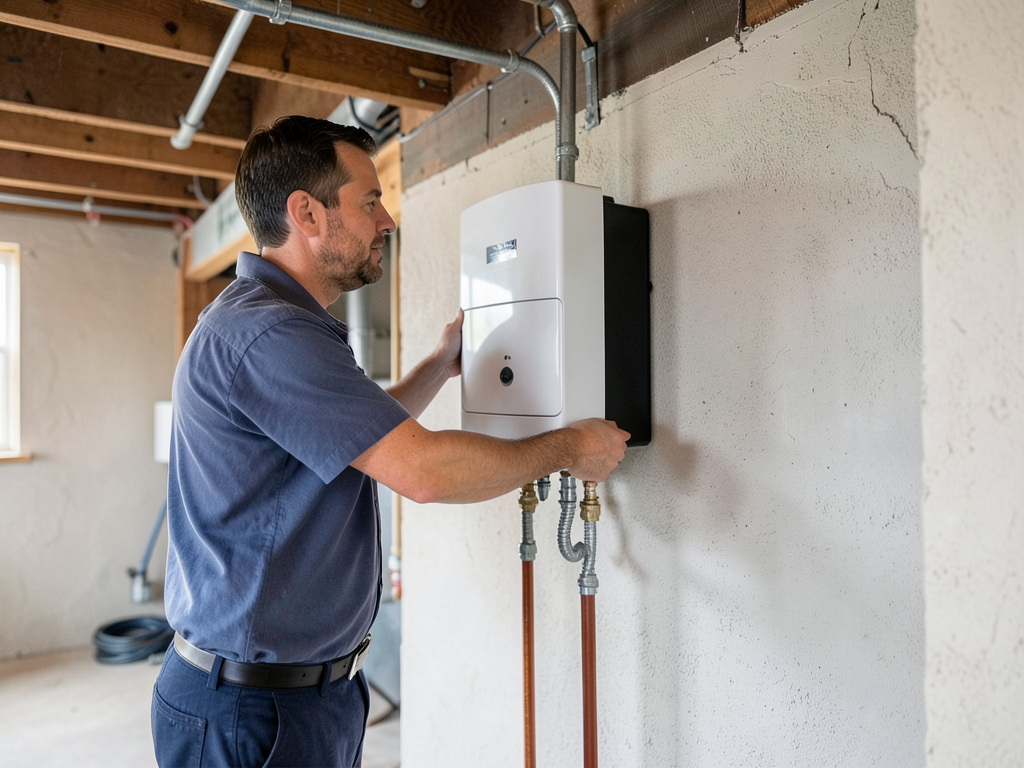
The compact design mounts on a wall, freeing up floor space in basements where every square foot counts. In many Fort Davis row homes, this recovered space can be used for storage or converted into a utility closet. However, tankless units require proper venting through an exterior wall or roof, which may need structural modifications in historic masonry buildings. Don’t Let Your Basement Flood—Expert Sump Pump Repair and Maintenance in Northwest DC.
Installation complexity increases with gas line sizing requirements. Tankless units often need 3/4-inch gas lines compared to the 1/2-inch lines common in older homes. This means additional gas line work that adds to installation costs but ensures safe, adequate fuel delivery for the higher BTU input these units require. Common Plumbing Problems in Historic Capitol Hill Rowhouses (and How We Fix Them).
Deep Dive: The Pros and Cons of Traditional Tank Heaters
Storage tank water heaters remain popular because of their simplicity and lower initial investment. The technology is proven, with straightforward installation that typically connects to existing plumbing and electrical or gas lines without major modifications. For budget-conscious families, this means getting reliable hot water service without extensive retrofitting.. Read more about Dealing with Hard Water Damage to Your Hair and Skin in Washington DC.
Tanks provide consistent water temperature and flow rate, which some homeowners prefer over the slight delay that can occur with tankless units as water travels through the heat exchanger. They also work well with recirculation pumps, which can be installed to eliminate wait times for hot water at fixtures far from the heater.. Read more about How to Flush Your Traditional Water Heater to Remove Sediment and Noise.
The main drawback is energy waste from maintaining hot water temperature even when no one is using it. In a Fort Davis home with moderate hot water usage, this standby loss can add $10-$20 monthly to utility bills. Tanks also take up valuable floor space and eventually develop sediment buildup that reduces efficiency over time.. Read more about Why Your Shower Water Temperature Changes When Someone Flushes in Your North Cleveland Park Home.
The ‘DC Factor’: Space, Historical Homes, and Water Quality
Fort Davis row homes built in the early 1900s present unique challenges for water heater installation. Many have narrow basement stairs that make removing old tanks difficult and installing new units a tight fit. Tankless systems can navigate these constraints more easily since they arrive in compact boxes and mount on walls rather than requiring floor space. Safely Installing New Gas Lines for Your DC Kitchen Remodel.
Washington DC’s water contains moderate hardness levels that affect both heater types differently. In tankless units, calcium and magnesium scale can coat heat exchanger surfaces, reducing efficiency by up to 30% within five years if not addressed. This makes annual descaling with food-grade citric acid or vinegar essential for maintaining performance.
Historic preservation guidelines in certain DC neighborhoods restrict exterior modifications, which can complicate tankless venting. When sidewall venting isn’t possible, roof penetration becomes necessary, adding height and cost to the installation. Understanding these local constraints helps you plan realistic timelines and budgets for your water heater upgrade.
Cost Analysis: Upfront Price vs. Long-Term ROI
Tankless water heaters cost $2,500-$4,500 installed, while traditional tanks run $800-$1,800. The price gap narrows when you factor in DCSEU rebates of $300-$500 for high-efficiency units and Washington Gas incentives for Energy Star certified models. These programs can reduce tankless installation costs by 15-20%, making the technology more accessible. DCSEU Rebate Programs.
Energy savings vary based on household usage patterns. A family of four using 60-80 gallons daily might save $100-$150 annually with a tankless unit compared to a standard tank. Over the 20+ year lifespan of a tankless heater, these savings can offset the higher initial investment, especially when combined with utility rebates.
Maintenance costs also factor into long-term ownership. Tankless units need annual descaling ($150-$200) and occasional heat exchanger cleaning, while tanks require anode rod replacement every 3-5 years ($100-$150) and tank flushing to remove sediment. These ongoing costs should be weighed against the energy savings when calculating total ownership expenses.
Installation Requirements in the District (Permits & Gas Lines)
DC Water and Sewer Authority requires permits for water heater replacements, whether tankless or tank-style. The permit process ensures proper venting, gas line sizing, and compliance with current building codes. Licensed plumbers handle permit applications and inspections, streamlining the process for homeowners while ensuring code compliance. Who to Call When You Need an Emergency Plumber in Georgetown Right Away.
Gas line requirements differ significantly between heater types. Tankless units typically need 3/4-inch gas lines capable of delivering 150,000-200,000 BTU, while standard tanks operate on 1/2-inch lines at 30,000-50,000 BTU. Upgrading gas lines adds $300-$600 to installation costs but ensures safe operation and prevents pressure drops that could damage the unit.
Venting requirements also vary by model. Tankless units use sealed combustion with PVC venting through walls or roofs, while some high-efficiency tanks use similar venting systems. Proper venting prevents carbon monoxide buildup and ensures efficient operation. In historic Fort Davis homes, existing chimneys may need relining or replacement to accommodate modern venting requirements.
Maintenance Comparison: What to Expect Over 20 Years
Tankless water heaters require annual maintenance to prevent scale buildup and maintain efficiency. This includes descaling the heat exchanger, cleaning the inlet filter, and checking gas connections and venting. Skipping annual maintenance can reduce efficiency by 20-30% and void manufacturer warranties, making this a critical ongoing cost to budget for.
Traditional tanks need less frequent but equally important maintenance. Anode rod replacement every 3-5 years prevents internal tank corrosion, while annual tank flushing removes sediment that reduces heating efficiency. These tasks cost less per service call but add up over the tank’s 10-15 year lifespan.
DC’s water chemistry affects maintenance frequency. Homes with higher hardness levels may need tankless descaling every six months instead of annually. Testing your water hardness helps determine the optimal maintenance schedule and prevents premature component failure that could leave your family without hot water.
Verdict: Which One Should You Choose?
For growing families in Fort Davis, tankless water heaters often make the most sense when space is limited and long-term energy savings matter. The endless hot water supply handles busy morning routines without running out, while the wall-mounted design frees up valuable basement space. When utility rebates are factored in, the higher upfront cost becomes more manageable.
Traditional tanks remain the better choice for homeowners prioritizing lower initial investment and simpler installation. If your current setup uses existing 1/2-inch gas lines and has adequate floor space, replacing like-for-like avoids costly modifications. Tanks also work well for households with predictable hot water usage patterns that don’t require the capacity of tankless systems.
The decision ultimately depends on your specific situation. Consider your family’s hot water usage, available space, budget constraints, and willingness to perform annual maintenance. Consulting with a licensed DC plumber who understands local codes and utility programs can help you make the choice that best serves your family’s needs for the next 15-20 years.
Frequently Asked Questions
How long does it take to install a new water heater in Fort Davis?
Standard tank replacements typically take 2-4 hours when replacing like-for-like. Tankless installations or major modifications can take 6-8 hours due to gas line upgrades, venting changes, or electrical work.
Are there any DC-specific rebates for water heaters?
Yes. DCSEU offers rebates of $300-$500 for high-efficiency water heaters, and Washington Gas provides incentives for Energy Star certified models. These can significantly reduce your upfront costs.
Can I install a tankless water heater in my historic Fort Davis home?
Often yes, but venting may require roof penetration rather than sidewall venting due to historic preservation guidelines. A licensed plumber familiar with DC historic districts can assess your specific situation.
How much can I save on energy bills with a tankless water heater?
Most families save $100-$150 annually compared to standard tanks, though actual savings depend on usage patterns. Over 20 years, this can offset much of the higher initial investment.

Call (771) 223-8111 today to schedule your water heater consultation. Our licensed DC plumbers will assess your home’s specific needs and help you choose the right system for your growing family.
{
“@context”: “https://schema.org”,
“@type”: “BlogPosting”,
“headline”: “Deciding Between a Tankless or Storage Tank Water Heater for Your Growing Family in Fort Davis”,
“description”: “Compare tankless vs tank water heaters for your Fort Davis home. Learn about energy efficiency, space savings, and DC-specific rebates to make the right choice.”,
“wordCount”: 1671,
“datePublished”: “2026-05-04T08:08:00.000Z”,
“dateModified”: “2026-05-04T08:08:00.000Z”,
“inLanguage”: “en-US”,
“mainEntityOfPage”: {
“@type”: “WebPage”,
“@id”: “https://crestlineplumbingwashingtondc.com”
},
“publisher”: {
“@type”: “LocalBusiness”,
“name”: “Crestline Plumbing Washington DC”,
“url”: “https://crestlineplumbingwashingtondc.com”
},
“author”: {
“@type”: “Organization”,
“name”: “Crestline Plumbing Washington DC”,
“url”: “https://crestlineplumbingwashingtondc.com”
},
“image”: {
“@type”: “ImageObject”,
“url”: “https://crestlineplumbingwashingtondc.com/wp-content/uploads/2026/03/deciding-between-a-tankless-or-storage-tank-water-1.png”
}
}
{
“@context”: “https://schema.org”,
“@type”: “Plumber”,
“name”: “Crestline Plumbing Washington DC”,
“url”: “https://crestlineplumbingwashingtondc.com”,
“address”: {
“@type”: “PostalAddress”,
“addressLocality”: “Washington DC”
},
“areaServed”: {
“@type”: “City”,
“name”: “Washington DC”
}
}
{
“@context”: “https://schema.org”,
“@type”: “FAQPage”,
“mainEntity”: [
{
“@type”: “Question”,
“name”: “Verdict: Which One Should You Choose?”,
“acceptedAnswer”: {
“@type”: “Answer”,
“text”: “For growing families in Fort Davis, tankless water heaters often make the most sense when space is limited and long-term energy savings matter. The endless hot water supply handles busy morning routines without running out, while the wall-mounted design frees up valuable basement space. When utility rebates are factored in, the higher upfront cost becomes more manageable.”
}
},
{
“@type”: “Question”,
“name”: “How long does it take to install a new water heater in Fort Davis?”,
“acceptedAnswer”: {
“@type”: “Answer”,
“text”: “Standard tank replacements typically take 2-4 hours when replacing like-for-like. Tankless installations or major modifications can take 6-8 hours due to gas line upgrades, venting changes, or electrical work.”
}
},
{
“@type”: “Question”,
“name”: “Are there any DC-specific rebates for water heaters?”,
“acceptedAnswer”: {
“@type”: “Answer”,
“text”: “Yes. DCSEU offers rebates of $300-$500 for high-efficiency water heaters, and Washington Gas provides incentives for Energy Star certified models. These can significantly reduce your upfront costs.”
}
},
{
“@type”: “Question”,
“name”: “Can I install a tankless water heater in my historic Fort Davis home?”,
“acceptedAnswer”: {
“@type”: “Answer”,
“text”: “Often yes, but venting may require roof penetration rather than sidewall venting due to historic preservation guidelines. A licensed plumber familiar with DC historic districts can assess your specific situation.”
}
},
{
“@type”: “Question”,
“name”: “How much can I save on energy bills with a tankless water heater?”,
“acceptedAnswer”: {
“@type”: “Answer”,
“text”: “Most families save $100-$150 annually compared to standard tanks, though actual savings depend on usage patterns. Over 20 years, this can offset much of the higher initial investment.”
}
}
]
}
{
“@context”: “https://schema.org”,
“@type”: “BreadcrumbList”,
“itemListElement”: [
{
“@type”: “ListItem”,
“position”: 1,
“name”: “Home”,
“item”: “https://crestlineplumbingwashingtondc.com”
},
{
“@type”: “ListItem”,
“position”: 2,
“name”: “Blog”,
“item”: “https://crestlineplumbingwashingtondc.com/blog”
},
{
“@type”: “ListItem”,
“position”: 3,
“name”: “Deciding Between a Tankless or Storage Tank Water Heater for Your Growing Family in Fort Davis”
}
]
}
{
“@context”: “https://schema.org”,
“@type”: “Service”,
“serviceType”: “Plumbing”,
“provider”: {
“@type”: “LocalBusiness”,
“name”: “Crestline Plumbing Washington DC”,
“url”: “https://crestlineplumbingwashingtondc.com”
},
“areaServed”: {
“@type”: “City”,
“name”: “Washington DC”
},
“description”: “Compare tankless vs tank water heaters for your Fort Davis home. Learn about energy efficiency, space savings, and DC-specific rebates to make the right choice.”
}