
Why the Water Flow in Your Benning Heights Faucet is Suddenly Weak
Weak water flow from a single faucet in your Benning Heights home can be frustrating, especially when the rest of your plumbing works fine. Before you call a plumber, there are several common causes you can check yourself. In many cases, the problem is something simple like a clogged aerator or a partially closed shut-off valve. However, if the issue persists, it could indicate a deeper problem with your home’s plumbing system that requires professional attention. Who to Call When You Need an Emergency Plumber in Georgetown Right Away.
Benning Heights, located in Southeast DC, has a mix of older homes and newer developments. Many properties in this area were built before the 1970s and may still have galvanized steel pipes, which are prone to internal corrosion and mineral buildup over time. This can lead to reduced water pressure in individual fixtures as sediment flakes off and clogs aerators or cartridges. Additionally, DC Water’s aging infrastructure in certain parts of the city can contribute to sediment in the water supply, especially after a main break or maintenance work. DC Water.
The first step is to determine if the low pressure is isolated to one faucet or affecting multiple fixtures. If it’s just one faucet, the issue is likely localized and easier to fix. If you notice weak flow throughout your home, that points to a whole-house problem like a failing pressure reducing valve (PRV) or a leak in the main supply line.
- Check Other Faucets
Turn on hot and cold water at multiple sinks, showers, and tubs. If only one faucet is affected, the problem is likely in that fixture or its supply lines. Emergency Water Shut-Off Service.
- Inspect the Aerator
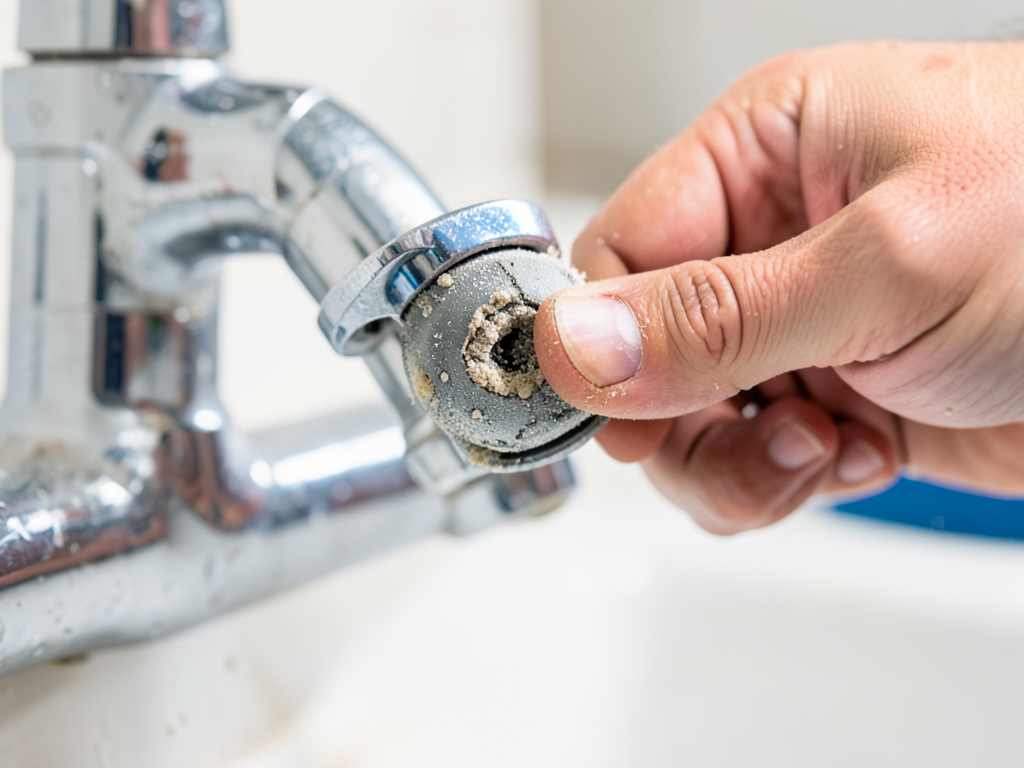
Unscrew the mesh screen at the tip of the faucet spout. Look for sediment, mineral deposits, or debris that could be blocking water flow.
- Test the Shut-off Valves
Locate the small valves under the sink and ensure they are fully open. A partially closed valve can restrict water flow to that fixture.
- Flush the Lines
After removing the aerator, briefly turn the faucet on to flush out any loose debris in the supply lines.
Common Causes of Weak Water Flow in a Single Faucet
Understanding the root cause is key to fixing the problem efficiently. Here are the most frequent reasons why one faucet might suddenly lose pressure:
Clogged Aerator
The aerator is a small mesh screen at the end of your faucet spout that mixes air with water to create a smooth flow. Over time, mineral deposits from hard water can build up inside the aerator, reducing water pressure. This is especially common in DC, where water hardness averages around 7-10 grains per gallon. Cleaning or replacing the aerator is often the quickest fix. DC Plumbing Code (DCMR Title 12E).
Faulty Faucet Cartridge
Inside the faucet body, a cartridge controls the mix and flow of hot and cold water. If the cartridge becomes clogged with sediment or its internal seals wear out, water flow can drop significantly. This is more common in older fixtures or after a sudden pressure surge in the water main. Common Plumbing Problems in Historic Capitol Hill Rowhouses (and How We Fix Them).
Corroded Supply Lines
Flexible supply lines connect the shut-off valves to the faucet. If these lines are old or of poor quality, they can develop internal buildup or even collapse slightly, restricting flow. In older Benning Heights homes, the main supply lines may still be galvanized steel, which corrodes from the inside and flakes off, clogging valves and aerators.
Partially Closed Shut-off Valve
Under the sink, there are small valves that control water to the faucet. If one of these valves was accidentally bumped or not fully reopened after a repair, it can cause weak flow. Always check that both hot and cold valves are fully open by turning them counterclockwise.
DC-Specific Plumbing Issues in Benning Heights
Benning Heights, like many parts of Southeast DC, has a unique plumbing profile. Many homes in this area were built in the mid-20th century and still contain original galvanized steel piping. According to the District of Columbia Plumbing Code (DCMR Title 12E), galvanized steel is no longer permitted for new installations due to its tendency to corrode and restrict flow over time. If your home still has these pipes, you may experience recurring issues with water pressure as the pipes age. Plumbing Bowie.
Another factor is DC Water’s service area, which includes parts of the city with older cast iron mains. These mains can shed rust and sediment, especially after pressure changes or repairs. If you notice weak flow after a nearby water main break or city maintenance, flushing your faucets can help clear out the debris.. Read more about Choosing Modern Faucets that Match the Character of Marshall Heights Homes.
Hard water is another contributor. DC Water reports moderate hardness levels, which means mineral deposits like calcium and magnesium can accumulate in your plumbing fixtures. Over time, this buildup narrows the openings in aerators and cartridges, reducing flow. Regular cleaning can help, but in severe cases, replacement may be necessary.
Step-by-Step Troubleshooting Guide
If you’re comfortable with basic DIY, here’s how to systematically check and fix a weak faucet:
- Turn Off Water Supply
Close both shut-off valves under the sink to prevent leaks while you work.
- Remove the Aerator
Use pliers if needed, but wrap the aerator in a cloth to avoid scratching the finish. Check for sediment or mineral buildup inside.
- Clean or Replace the Aerator
Soak it in vinegar for an hour to dissolve mineral deposits, or replace it with a new one from a hardware store.
- Check the Cartridge
If cleaning the aerator doesn’t help, the cartridge may be clogged. Turn off the water, remove the faucet handle, and replace the cartridge with a matching model from the manufacturer.
- Inspect Supply Lines
If flow is still weak, turn off the water and disconnect the supply lines. Point them into a bucket and briefly turn the water back on to check for good pressure. If pressure is strong here, the issue is in the faucet itself.
When to Call a Professional Plumber
While many faucet issues can be resolved with simple cleaning or part replacement, some situations require a licensed plumber. Call a professional if:
- The problem affects multiple fixtures or the entire house
- You notice water stains, mold, or unexplained moisture near pipes
- Your home has galvanized steel pipes that are deteriorating
- The pressure drops suddenly without an obvious cause
- You’ve tried cleaning the aerator and cartridge but still have weak flow
A licensed plumber can diagnose hidden issues like a failing PRV, a leak in the main line, or corrosion deep inside your plumbing system. In Benning Heights, where many homes are older, it’s wise to have a professional inspect your system if you’re experiencing recurring pressure problems.
Cost Comparison: DIY vs. Professional Repair
| Repair Type | DIY Cost | Professional Cost (DC Metro) | Time Required |
|---|---|---|---|
| Aerator Cleaning | $0-$10 | $50-$100 service call | 5-15 minutes |
| Cartridge Replacement | $15-$50 (part only) | $150-$300 (labor + part) | 30-60 minutes |
| Supply Line Replacement | $20-$40 (part only) | $200-$400 (labor + part) | 45-90 minutes |
| Galvanized Pipe Replacement | Not recommended | $1,500-$5,000+ (full repipe) | 1-3 days |
Preventing Future Faucet Problems
Once you’ve restored proper water flow, a few simple habits can help prevent future issues:
- Clean Aerators Annually
Remove and soak aerators in vinegar once a year to prevent mineral buildup.
- Flush Lines After Water Main Work
If DC Water announces nearby maintenance, briefly run cold water through all faucets to clear sediment.
- Replace Old Supply Lines
If your supply lines are more than 10 years old, consider upgrading to braided stainless steel for better durability.
- Monitor Water Pressure
If you notice fluctuating pressure, it could indicate a failing PRV or a leak. A plumber can test and adjust your home’s pressure to the recommended 40-60 psi.
Local Resources and Support
If you’re dealing with persistent water pressure issues in Benning Heights, it’s helpful to know where to turn for support. DC Water provides customer service and can alert you to nearby water main work or known issues in your area. Their website also offers tips for maintaining your home’s plumbing and understanding your water quality report.
For homes with older plumbing, the District’s Lead Service Line Replacement Program may be relevant. While primarily focused on lead lines, the program highlights the city’s ongoing efforts to upgrade aging infrastructure, which can indirectly benefit water pressure and quality.
Finally, if you’re planning a renovation or repipe, always check the current DC Plumbing Code (DCMR Title 12E) to ensure your work meets local standards. A licensed plumber can help you navigate these requirements and choose the best materials for your home.
Frequently Asked Questions
Why is my faucet pressure fine sometimes but weak other times?
Intermittent pressure can be caused by a partially closed shut-off valve, a failing PRV, or fluctuations in the city’s water supply. If it happens at certain times of day, it may be due to peak usage in your neighborhood.
Can hard water really cause weak faucet flow?
Yes. Mineral deposits from hard water can build up inside aerators, cartridges, and supply lines, narrowing the openings and reducing flow. Regular cleaning or installing a water softener can help. Safely Installing New Gas Lines for Your DC Kitchen Remodel.
How do I know if my home has galvanized pipes?
Galvanized pipes are silver-gray and magnetic. If your home was built before the 1970s and you see these pipes near your water heater or under sinks, you likely have galvanized plumbing. A plumber can confirm and recommend replacement options.
Conclusion
Weak water flow in a single faucet is often caused by a simple issue like a clogged aerator or a partially closed valve. However, in older neighborhoods like Benning Heights, it can also signal deeper problems with aging pipes or city infrastructure. By following a systematic troubleshooting process, you can often restore normal flow yourself. If the problem persists or affects multiple fixtures, it’s time to call a licensed DC plumber to diagnose and fix the underlying cause.
Don’t let low water pressure disrupt your daily routine. Whether it’s a quick DIY fix or a professional repair, addressing the issue early can prevent more costly damage down the road. If you’re in Benning Heights or anywhere in the DC Metro area and need fast, reliable plumbing help, call (771) 223-8111 today to schedule your inspection.
{
“@context”: “https://schema.org”,
“@type”: “BlogPosting”,
“headline”: “Why the Water Flow in Your Benning Heights Faucet is Suddenly Weak”,
“description”: “Is your faucet pressure dropping in Benning Heights? Discover the top causes of weak water flow and when to call a DC plumber for fast repairs.”,
“wordCount”: 1740,
“datePublished”: “2026-04-08T09:11:00.000Z”,
“dateModified”: “2026-04-08T09:11:00.000Z”,
“inLanguage”: “en-US”,
“mainEntityOfPage”: {
“@type”: “WebPage”,
“@id”: “https://crestlineplumbingwashingtondc.com”
},
“publisher”: {
“@type”: “LocalBusiness”,
“name”: “Crestline Plumbing Washington DC”,
“url”: “https://crestlineplumbingwashingtondc.com”
},
“author”: {
“@type”: “Organization”,
“name”: “Crestline Plumbing Washington DC”,
“url”: “https://crestlineplumbingwashingtondc.com”
},
“image”: {
“@type”: “ImageObject”,
“url”: “https://crestlineplumbingwashingtondc.com/wp-content/uploads/2026/03/why-the-water-flow-in-your-benning-heights-faucet-1.png”
}
}
{
“@context”: “https://schema.org”,
“@type”: “Plumber”,
“name”: “Crestline Plumbing Washington DC”,
“url”: “https://crestlineplumbingwashingtondc.com”,
“address”: {
“@type”: “PostalAddress”,
“addressLocality”: “Washington DC”
},
“areaServed”: {
“@type”: “City”,
“name”: “Washington DC”
}
}
{
“@context”: “https://schema.org”,
“@type”: “FAQPage”,
“mainEntity”: [
{
“@type”: “Question”,
“name”: “Why is my faucet pressure fine sometimes but weak other times?”,
“acceptedAnswer”: {
“@type”: “Answer”,
“text”: “Intermittent pressure can be caused by a partially closed shut-off valve, a failing PRV, or fluctuations in the city’s water supply. If it happens at certain times of day, it may be due to peak usage in your neighborhood.”
}
},
{
“@type”: “Question”,
“name”: “Can hard water really cause weak faucet flow?”,
“acceptedAnswer”: {
“@type”: “Answer”,
“text”: “Yes. Mineral deposits from hard water can build up inside aerators, cartridges, and supply lines, narrowing the openings and reducing flow. Regular cleaning or installing a water softener can help. Safely Installing New Gas Lines for Your DC Kitchen Remodel.”
}
},
{
“@type”: “Question”,
“name”: “How do I know if my home has galvanized pipes?”,
“acceptedAnswer”: {
“@type”: “Answer”,
“text”: “Galvanized pipes are silver-gray and magnetic. If your home was built before the 1970s and you see these pipes near your water heater or under sinks, you likely have galvanized plumbing. A plumber can confirm and recommend replacement options.”
}
}
]
}
{
“@context”: “https://schema.org”,
“@type”: “HowTo”,
“name”: “How to Diagnose Weak Faucet Flow”,
“step”: [
{
“@type”: “HowToStep”,
“position”: 1,
“name”: “Check Other Faucets”,
“text”: “Turn on hot and cold water at multiple sinks, showers, and tubs. If only one faucet is affected, the problem is likely in that fixture or its supply lines. Emergency Water Shut-Off Service.”
},
{
“@type”: “HowToStep”,
“position”: 2,
“name”: “Inspect the Aerator”,
“text”: “Unscrew the mesh screen at the tip of the faucet spout. Look for sediment, mineral deposits, or debris that could be blocking water flow.”
},
{
“@type”: “HowToStep”,
“position”: 3,
“name”: “Test the Shut-off Valves”,
“text”: “Locate the small valves under the sink and ensure they are fully open. A partially closed valve can restrict water flow to that fixture.”
},
{
“@type”: “HowToStep”,
“position”: 4,
“name”: “Flush the Lines”,
“text”: “After removing the aerator, briefly turn the faucet on to flush out any loose debris in the supply lines.”
}
],
“image”: “https://crestlineplumbingwashingtondc.com/wp-content/uploads/2026/03/why-the-water-flow-in-your-benning-heights-faucet-1.png”
}
{
“@context”: “https://schema.org”,
“@type”: “BreadcrumbList”,
“itemListElement”: [
{
“@type”: “ListItem”,
“position”: 1,
“name”: “Home”,
“item”: “https://crestlineplumbingwashingtondc.com”
},
{
“@type”: “ListItem”,
“position”: 2,
“name”: “Blog”,
“item”: “https://crestlineplumbingwashingtondc.com/blog”
},
{
“@type”: “ListItem”,
“position”: 3,
“name”: “Why the Water Flow in Your Benning Heights Faucet is Suddenly Weak”
}
]
}
{
“@context”: “https://schema.org”,
“@type”: “Service”,
“serviceType”: “Plumbing”,
“provider”: {
“@type”: “LocalBusiness”,
“name”: “Crestline Plumbing Washington DC”,
“url”: “https://crestlineplumbingwashingtondc.com”
},
“areaServed”: {
“@type”: “City”,
“name”: “Washington DC”
},
“description”: “Is your faucet pressure dropping in Benning Heights? Discover the top causes of weak water flow and when to call a DC plumber for fast repairs.”
}