
Snaking vs Hydro-Jetting for Clearing Stubborn Tree Roots in Takoma Sewer Lines
Tree roots invade sewer lines when they seek water and your pipes provide exactly what they need. In Takoma’s mature neighborhoods like Maple Avenue and Carroll Avenue where towering oaks and maples create a dense canopy homeowners face this problem frequently. The question isn’t if you’ll experience root intrusion but rather which clearing method will solve it most effectively for your specific situation.. Read more about Fixing Standing Water and Floor Drain Backups in Your Michigan Park Basement.
Both traditional snaking and modern hydro-jetting work well in Takoma’s unique environment. Your choice depends on pipe age severity of the blockage and how long you want the solution to last. Understanding these differences helps you make the right decision for your home.
How Drain Snaking Works in Takoma Homes
Drain snaking uses a long flexible metal cable with an auger head that rotates through your pipes. A technician feeds this cable into the sewer line until it reaches the blockage. As the auger spins it breaks up the root mass and pushes debris through the system.
The process typically takes 1-2 hours for a standard residential line. Technicians use different cable sizes depending on your pipe diameter usually ranging from 3/8 inch to 3/4 inch. The machine generates enough torque to cut through most root masses though extremely dense root balls may require multiple passes.
Snaking works best for minor to moderate root intrusions. If you hear a grinding sound as the auger hits roots that’s normal. The cable often pulls back small root fragments which technicians can show you as proof of the blockage.
Understanding Hydro Jetting Technology
Hydro jetting takes a different approach by using high-pressure water instead of mechanical cutting. A specialized machine pumps water through a hose at pressures ranging from 1,500 to 4,000 PSI. The water exits through forward and backward-facing nozzles that create a 360-degree cleaning pattern.
The process begins with a video camera inspection to assess pipe condition and locate the blockage. This step is mandatory because hydro jetting can damage compromised pipes. Once approved the technician inserts the jetting hose and activates the machine.
Water volume typically ranges from 2 to 8 gallons per minute depending on the severity of the blockage. The high-pressure stream not only cuts through roots but also scours pipe walls removing grease scale and mineral buildup that snaking leaves behind.. Read more about Managing Grease Trap Maintenance for Your Busy Restaurant on 14th Street NW.
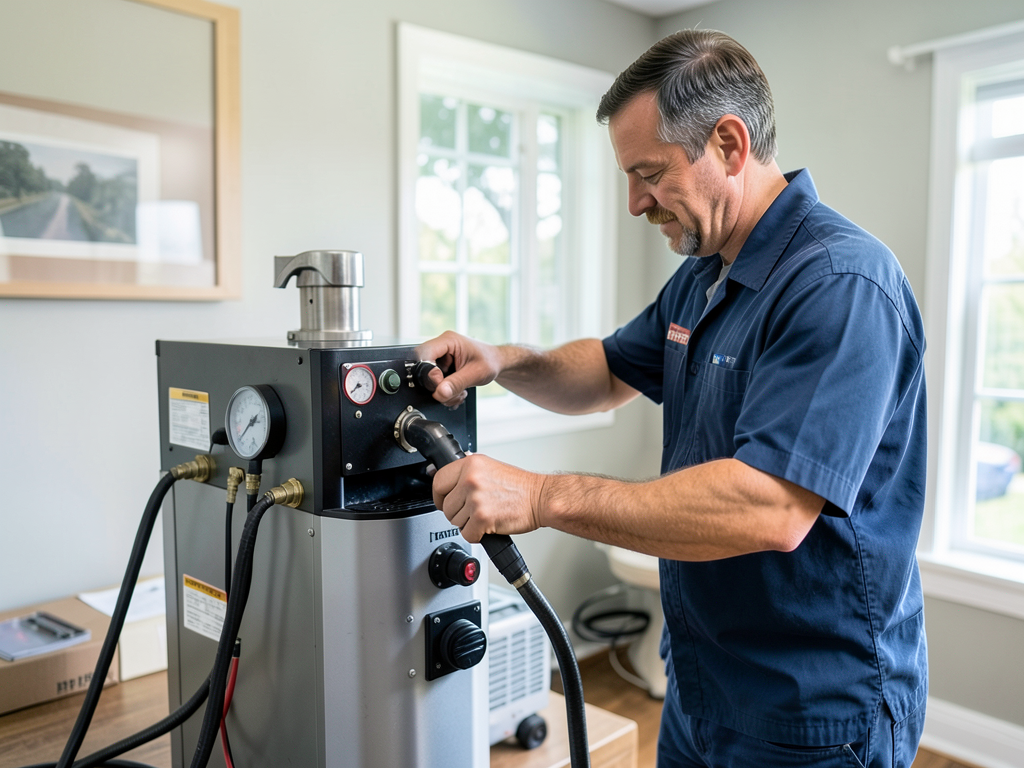
– Photo showing a technician operating a hydro jetting machine with pressure gauges visible demonstrating the equipment used for high-pressure root removal in Takoma’s older sewer lines.
Cost Comparison for Takoma Residents
| Method | Initial Cost | Time Required | Typical Warranty |
|---|---|---|---|
| Drain Snaking | $250-$450 | 1-2 hours | 30-60 days |
| Hydro Jetting | $500-$800 | 2-4 hours | 6-12 months |
Snaking costs less upfront but may need repeating every 12-18 months as roots grow back. Hydro jetting’s higher initial investment often pays off through longer-lasting results and comprehensive pipe cleaning.
When Snaking Makes Sense for Your Takoma Home
Snaking works best when you have a recent isolated root intrusion or when budget constraints are your primary concern. It’s also the right choice for pipes older than 50 years that might not withstand high-pressure cleaning.
If your main line clog is caused by something other than roots like a child’s toy or accumulated grease snaking provides targeted removal without the expense of hydro jetting. The method also works well for emergency situations where you need immediate drainage restored. Who to Call When You Need an Emergency Plumber in Georgetown Right Away.
Many Takoma homeowners choose snaking for their first root clearing attempt. If roots return within a year they often upgrade to hydro jetting for the next service.
Hydro Jetting Advantages for Tree-Heavy Areas
Hydro jetting excels in Takoma’s tree-dense environment because it removes not just the visible roots but also the fine root hairs that snaking misses. These tiny roots quickly grow back if left behind causing repeat blockages.
The scouring action of hydro jetting also removes years of accumulated debris from pipe walls. This comprehensive cleaning can improve your sewer line’s flow capacity by 30-40% reducing the likelihood of future clogs from any source.
For homes near Sligo Creek or in the Maple Avenue area where mature trees are common hydro jetting provides longer-lasting protection. The method also helps identify pipe damage during the camera inspection allowing you to address issues before they become emergencies. Common Plumbing Problems in Historic Capitol Hill Rowhouses (and How We Fix Them).

– Before and after comparison showing a sewer pipe section with heavy root intrusion on the left and the same pipe after hydro jetting on the right demonstrating the thorough cleaning achieved.
DC Water Regulations and Your Sewer Line
DC Water maintains the main sewer line in the street but homeowners are responsible for the lateral line connecting their home to the main. This lateral extends from your foundation to the property line typically 50-100 feet depending on your lot size. DC Water regulations.
DC Water’s regulations require that any work on your sewer lateral meet current plumbing codes. This means using licensed contractors and obtaining permits when necessary. The agency also mandates that all excavations be inspected to prevent damage to existing infrastructure. plumbing codes.
For Takoma residents this means your chosen clearing method must comply with both DC Water standards and local building codes. Both snaking and hydro jetting qualify when performed by licensed professionals.
Pipe Material Considerations in Takoma
Takoma’s diverse housing stock means you might have anything from 100-year-old clay pipes to modern PVC. Clay pipes common in homes built before 1970 are particularly vulnerable to root intrusion because they often have porous surfaces and joint gaps.
Cast iron pipes found in many mid-century homes resist roots better but can corrode internally. PVC pipes standard in homes built after 1980 offer the best resistance to both roots and corrosion but can still be penetrated by persistent roots over time.
Before choosing a clearing method a video inspection reveals your pipe material and condition. This information helps determine whether the gentler approach of snaking or the more aggressive hydro jetting is appropriate. Choosing the Best Tankless Water Heater for Your Small Washington DC Condo.
Preventing Future Root Intrusions
After clearing your sewer line several steps can prevent future root problems. Chemical root killers can be flushed down your drains quarterly to inhibit root growth near pipes. These copper-based compounds are safe for your plumbing but toxic to roots.. Read more about Our Guide to Finding the Best Plumbing Services in Mount Pleasant and Beyond.
Planting trees at least 10 feet from your sewer line helps prevent future intrusions. Fast-growing species like willows and poplars are particularly problematic and should be avoided near underground utilities.
Regular video inspections every 18-24 months allow you to catch root growth before it causes blockages. Many Takoma homeowners schedule these as preventative maintenance especially if their property has mature trees.
Emergency Signs You Need Immediate Service
Several warning signs indicate you need professional root clearing service immediately. Multiple drains backing up simultaneously suggests a main line blockage. Gurgling sounds from toilets when other fixtures drain often indicate partial blockages from roots.
Sewer odors in your yard or basement point to breaks in your sewer line where roots may have already entered. Slow drains throughout your home that worsen over weeks typically indicate growing root masses inside your pipes. Don’t Let Your Basement Flood—Expert Sump Pump Repair and Maintenance in Northwest DC.
If you notice any of these signs don’t wait. Root blockages can cause sewage backups that damage your home and create health hazards. Quick action prevents more expensive repairs.
Environmental Impact of Each Method
Hydro jetting uses only water and produces no chemical waste making it environmentally friendly. The process actually helps prevent groundwater contamination by ensuring your sewer line functions properly and doesn’t leak sewage into the soil.
Snaking requires no water but may leave behind root fragments that decompose in your yard. The steel cables and auger heads require manufacturing resources but last for many years with proper maintenance.
Both methods are approved by environmental agencies when performed correctly. The key environmental benefit comes from preventing sewage leaks that can contaminate local waterways like Sligo Creek and the Anacostia River.
Making Your Decision: Snaking or Hydro Jetting
Your choice depends on several factors the severity of root intrusion your pipe material and age your budget and how long you plan to stay in your home. For first-time blockages in newer pipes snaking often provides adequate results at lower cost.
For recurring problems older pipes or when you want the most thorough cleaning possible hydro jetting delivers superior results. The method’s ability to remove all root material and clean pipe walls makes it worth the extra investment for many homeowners.
Consider your specific situation. If you’re planning to sell your home soon the less expensive snaking might suffice. If you’re staying long-term in a tree-heavy area hydro jetting’s longer-lasting results often provide better value.
Professional Assessment Process
A qualified plumber will start with a video camera inspection to assess your specific situation. This inspection shows pipe condition locates blockages and identifies pipe material. The camera also reveals any existing damage that might affect your clearing method choice.
Based on inspection results your plumber will recommend the most appropriate method. They should explain their reasoning and provide clear pricing for both options if both are viable for your situation.
Ask about warranties and what they cover. A reputable company will stand behind their work and offer guarantees on both the clearing service and the results.
Local Success Stories from Takoma
Many Takoma homeowners have resolved their root problems through these methods. One Maple Avenue resident had recurring backups every six months until hydro jetting removed all root material and restored full flow. Two years later they haven’t needed service again.
A Carroll Avenue homeowner chose snaking for budget reasons but roots returned within a year. They upgraded to hydro jetting and haven’t had issues in three years since. The initial savings from snaking cost more in the long run through repeated service calls.
These experiences show that while both methods work the right choice depends on your specific situation and long-term goals.
Frequently Asked Questions
How long does each method keep roots away?
Snaking typically lasts 12-18 months before roots regrow enough to cause problems again. Hydro jetting often provides 3-5 years of clear flow because it removes all root material and cleans pipe walls thoroughly.
Can hydro jetting damage my old pipes?
Hydro jetting can damage compromised pipes which is why video inspection is mandatory first. The process is safe for pipes in good condition including clay and cast iron. Your plumber will determine if your pipes can handle the pressure.
What’s the average cost difference between methods?
Hydro jetting costs $500-$800 versus $250-$450 for snaking. The higher cost reflects more powerful equipment longer service time and more thorough cleaning. Many homeowners find the longer-lasting results justify the price difference.
Should I get a camera inspection before clearing?
Yes always. A camera inspection reveals pipe condition locates blockages precisely and helps determine the best clearing method. It also identifies any damage that needs repair before clearing can proceed safely. Safely Installing New Gas Lines for Your DC Kitchen Remodel.
How can I tell if roots are causing my drain problems?
Symptoms include multiple slow drains gurgling toilets sewer odors and recurring clogs that return within weeks of clearing. Only a professional camera inspection can confirm root presence though these signs strongly suggest it.
Next Steps for Your Sewer Line
Don’t let tree roots ruin your plumbing. Whether you choose snaking or hydro jetting the key is acting before a complete blockage causes sewage backup in your home. Both methods work when applied to the right situation.
Start with a professional video inspection to understand exactly what’s happening in your sewer line. This inspection typically $150-$250 provides the information you need to make an informed decision about clearing method and cost.
Remember that Takoma’s tree canopy while beautiful creates unique plumbing challenges. The right solution keeps your sewer line flowing freely while protecting your investment in your home’s infrastructure.
– Technician holding a sewer camera monitor showing clear pipe after hydro jetting with the jetting hose visible in the background demonstrating successful root removal in a Takoma home.
Ready to solve your root problem? Call (771) 223-8111 today to schedule your video inspection and get expert recommendations for your specific situation. Don’t wait until a backup floods your basement professional help is just a phone call away.
{
“@context”: “https://schema.org”,
“@type”: “BlogPosting”,
“headline”: “Snaking vs Hydro-Jetting for Clearing Stubborn Tree Roots in Takoma Sewer Lines”,
“description”: “Compare snaking and hydro-jetting for tree root removal in Takoma’s sewer lines. Learn costs, effectiveness, and which method works best for your home.”,
“wordCount”: 2078,
“datePublished”: “2026-03-06T12:05:00.000Z”,
“dateModified”: “2026-03-06T12:05:00.000Z”,
“inLanguage”: “en-US”,
“mainEntityOfPage”: {
“@type”: “WebPage”,
“@id”: “https://crestlineplumbingwashingtondc.com”
},
“publisher”: {
“@type”: “LocalBusiness”,
“name”: “Crestline Plumbing Washington DC”,
“url”: “https://crestlineplumbingwashingtondc.com”
},
“author”: {
“@type”: “Organization”,
“name”: “Crestline Plumbing Washington DC”,
“url”: “https://crestlineplumbingwashingtondc.com”
},
“image”: {
“@type”: “ImageObject”,
“url”: “https://crestlineplumbingwashingtondc.com/wp-content/uploads/2026/03/snaking-vs-hydro-jetting-for-clearing-stubborn-tre-1.png”
}
}
{
“@context”: “https://schema.org”,
“@type”: “Plumber”,
“name”: “Crestline Plumbing Washington DC”,
“url”: “https://crestlineplumbingwashingtondc.com”,
“address”: {
“@type”: “PostalAddress”,
“addressLocality”: “Washington DC”
},
“areaServed”: {
“@type”: “City”,
“name”: “Washington DC”
}
}
{
“@context”: “https://schema.org”,
“@type”: “FAQPage”,
“mainEntity”: [
{
“@type”: “Question”,
“name”: “How long does each method keep roots away?”,
“acceptedAnswer”: {
“@type”: “Answer”,
“text”: “Snaking typically lasts 12-18 months before roots regrow enough to cause problems again. Hydro jetting often provides 3-5 years of clear flow because it removes all root material and cleans pipe walls thoroughly.”
}
},
{
“@type”: “Question”,
“name”: “Can hydro jetting damage my old pipes?”,
“acceptedAnswer”: {
“@type”: “Answer”,
“text”: “Hydro jetting can damage compromised pipes which is why video inspection is mandatory first. The process is safe for pipes in good condition including clay and cast iron. Your plumber will determine if your pipes can handle the pressure.”
}
},
{
“@type”: “Question”,
“name”: “What’s the average cost difference between methods?”,
“acceptedAnswer”: {
“@type”: “Answer”,
“text”: “Hydro jetting costs $500-$800 versus $250-$450 for snaking. The higher cost reflects more powerful equipment longer service time and more thorough cleaning. Many homeowners find the longer-lasting results justify the price difference.”
}
},
{
“@type”: “Question”,
“name”: “Should I get a camera inspection before clearing?”,
“acceptedAnswer”: {
“@type”: “Answer”,
“text”: “Yes always. A camera inspection reveals pipe condition locates blockages precisely and helps determine the best clearing method. It also identifies any damage that needs repair before clearing can proceed safely. Safely Installing New Gas Lines for Your DC Kitchen Remodel.”
}
},
{
“@type”: “Question”,
“name”: “How can I tell if roots are causing my drain problems?”,
“acceptedAnswer”: {
“@type”: “Answer”,
“text”: “Symptoms include multiple slow drains gurgling toilets sewer odors and recurring clogs that return within weeks of clearing. Only a professional camera inspection can confirm root presence though these signs strongly suggest it.”
}
}
]
}
{
“@context”: “https://schema.org”,
“@type”: “BreadcrumbList”,
“itemListElement”: [
{
“@type”: “ListItem”,
“position”: 1,
“name”: “Home”,
“item”: “https://crestlineplumbingwashingtondc.com”
},
{
“@type”: “ListItem”,
“position”: 2,
“name”: “Blog”,
“item”: “https://crestlineplumbingwashingtondc.com/blog”
},
{
“@type”: “ListItem”,
“position”: 3,
“name”: “Snaking vs Hydro-Jetting for Clearing Stubborn Tree Roots in Takoma Sewer Lines”
}
]
}
{
“@context”: “https://schema.org”,
“@type”: “Service”,
“serviceType”: “Plumbing”,
“provider”: {
“@type”: “LocalBusiness”,
“name”: “Crestline Plumbing Washington DC”,
“url”: “https://crestlineplumbingwashingtondc.com”
},
“areaServed”: {
“@type”: “City”,
“name”: “Washington DC”
},
“description”: “Compare snaking and hydro-jetting for tree root removal in Takoma’s sewer lines. Learn costs, effectiveness, and which method works best for your home.”
}