
Setting Up Your Outdoor Kitchen or Garden Plumbing in Glover Park
Outdoor plumbing in Glover Park requires understanding both DC’s strict building codes and the area’s freeze-thaw cycles. Whether you’re adding a garden faucet or building a full outdoor kitchen, proper installation prevents costly damage and ensures year-round functionality. This guide covers everything from permit requirements to winterization strategies specific to Glover Park’s historic homes and mature tree roots. DC Water.
Understanding Glover Park’s Outdoor Plumbing Challenges
Glover Park’s mix of early 20th-century homes and newer constructions creates unique plumbing challenges. The area’s dense clay soil retains moisture, which can cause pipe corrosion and root intrusion. Additionally, many properties sit near Rock Creek Park, where fluctuating water tables affect underground installations. Common Plumbing Problems in Historic Capitol Hill Rowhouses (and How We Fix Them).
DC Water mandates specific backflow prevention devices for all outdoor plumbing connections. The Department of Buildings requires permits for any work involving water lines deeper than 18 inches or gas line installations. These regulations protect the city’s aging infrastructure and prevent contamination of the municipal water supply. DC Department of Energy and Environment.
Types of Outdoor Plumbing Installations
Garden Faucets and Hose Bibbs
Standard garden faucets connect directly to your home’s water supply. For Glover Park’s climate, frost-proof hose bibbs prevent freezing by keeping the valve mechanism inside your home’s heated space. These units extend through the wall with the handle on the exterior, but the actual shut-off valve sits 10-12 inches inside.
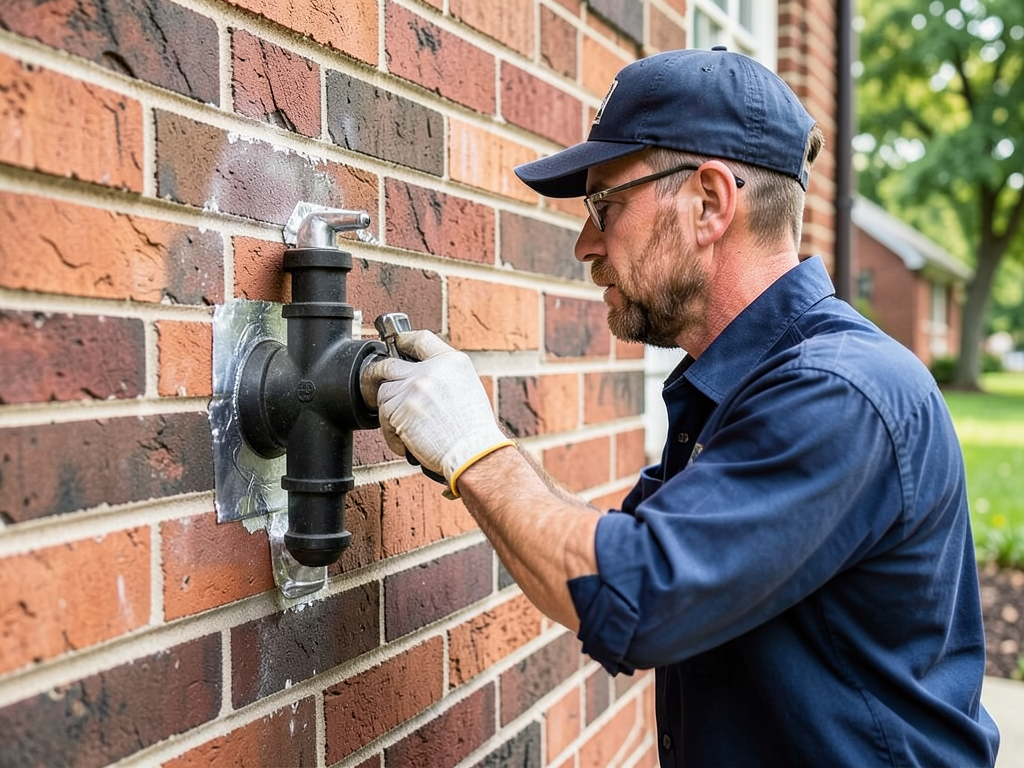
Installation requires drilling through exterior walls, which can be challenging in Glover Park’s brick and stone facades. The process involves cutting a precise hole, installing a flange, and connecting PEX or copper piping to your existing water line. Proper sealing prevents moisture infiltration that could damage historic masonry. Safely Installing New Gas Lines for Your DC Kitchen Remodel.
Outdoor Kitchen Plumbing
Outdoor kitchens need both hot and cold water lines plus proper drainage. The drainage system must connect to your home’s sewer line or a dry well system, depending on your property’s layout. DC code requires all outdoor drains to have P-traps to prevent sewer gases from entering your outdoor space.. Read more about What Kind of Kitchen Sink is Best for Your High-Traffic Union Market Rental Property.
Water lines for outdoor kitchens typically use PEX piping due to its freeze resistance and flexibility around existing structures. The system includes a main shut-off valve inside your home, allowing you to drain the lines before winter. Hot water lines require insulation to maintain temperature over longer runs from your water heater.
Gas Line Installation for Grills and Fire Pits
Natural gas or propane lines for outdoor appliances require professional installation due to explosion risks. DC code mandates specific pipe depths, typically 18-24 inches, with protective sleeves where pipes pass under driveways or walkways. The installation includes pressure testing to ensure no leaks exist before final connection.
Gas lines use black steel pipe or flexible CSST (corrugated stainless steel tubing) depending on the installation path. Black steel offers durability for direct burial, while CSST works better for tight spaces around existing structures. Both require proper bonding to prevent electrical hazards.
Irrigation System Plumbing
Lawn irrigation systems need backflow preventers to protect DC’s water supply from contamination. The system includes a main shut-off valve, zone control valves, and proper drainage to prevent freeze damage. DC Water requires annual testing of backflow preventers by certified technicians.
Underground irrigation lines typically use PVC schedule 40 pipe for main lines and thinner PVC or polyethylene for lateral lines. The system connects to your home’s water supply through a dedicated line with its own shut-off valve, preventing interference with household water pressure.
DC Permit Requirements and Building Codes
DC’s Department of Buildings requires permits for most outdoor plumbing work. The permit process involves submitting detailed plans showing pipe routes, connection points, and compliance with local codes. Inspections occur at multiple stages: before covering any work, after pressure testing, and upon final completion.
Key code requirements include:
- Minimum 18-inch depth for water lines in non-protected areas
- Pressure testing at 1.5 times working pressure for 15 minutes
- Backflow prevention devices on all connections to municipal supply
- Proper support spacing for horizontal piping runs
- Insulation requirements for pipes in unconditioned spaces
DC Water enforces additional standards for cross-connection control. All outdoor plumbing must prevent backflow through air gaps, reduced pressure principle assemblies, or double-check valve assemblies depending on the hazard level. These devices require testing and certification before final approval.
Winterization Strategies for Glover Park
Glover Park experiences freeze-thaw cycles that can damage outdoor plumbing. When water freezes, it expands by approximately 9%, creating pressure that can split pipes and fittings. Proper winterization prevents these failures and extends the life of your outdoor plumbing system. Emergency Sump Pump Failure.
The winterization process includes:
- Shutting off the main water supply to outdoor lines
- Opening all outdoor faucets to drain remaining water
- Using compressed air to blow out irrigation lines
- Insulating exposed pipes and fixtures
- Installing faucet covers on hose bibbs
For irrigation systems, professional blow-out services use 40-80 PSI compressed air to clear all water from pipes and sprinkler heads. This prevents ice formation that could crack PVC fittings and damage valves. The service typically costs $75-150 depending on system size and complexity.
Material Selection for Outdoor Applications
Choosing the right materials affects system longevity and maintenance requirements. Outdoor conditions expose plumbing to UV radiation, temperature extremes, and soil chemicals that can degrade certain materials. Choosing the Best Tankless Water Heater for Your Small Washington DC Condo.
PEX piping offers excellent freeze resistance and flexibility, making it ideal for outdoor applications in Glover Park. The material expands slightly when frozen, reducing burst risk. PEX also resists chlorine and scale buildup common in DC’s municipal water supply.
Copper piping provides durability and handles high temperatures well, making it suitable for hot water lines. However, copper requires proper support and protection from soil contact to prevent corrosion. L-type copper offers thicker walls than M-type, providing better freeze resistance for outdoor use.
PVC remains the standard for irrigation and drainage applications due to its chemical resistance and low cost. Schedule 40 PVC handles underground installation, while schedule 80 provides extra strength for areas with potential physical damage. UV-resistant PVC prevents degradation from sun exposure on above-ground runs.
Installation Process and Timeline
Professional outdoor plumbing installation follows a systematic process that ensures code compliance and system reliability. The timeline varies based on project complexity, permit approval speed, and weather conditions.
Initial consultation involves site evaluation, utility locating, and design discussion. Technicians use ground-penetrating radar to identify existing utilities before excavation begins. This prevents damage to electrical, gas, or communication lines buried on your property.
Excavation typically requires hand digging near existing structures to prevent foundation damage. Machine excavation speeds up work in open areas but requires careful operation near utilities. The process exposes soil conditions that may affect pipe bedding and backfill requirements.
Pipe installation includes proper slope for drainage, secure connections, and protective sleeving where pipes pass through foundation walls. Pressure testing verifies system integrity before covering any work. The test involves filling pipes with water or air and monitoring pressure for 15 minutes to detect leaks.
Final inspection by DC authorities ensures compliance with all codes. The inspection process includes verifying backflow preventer installation, checking pipe depths, and confirming proper support and protection measures. Only after passing inspection can you cover the installation and connect fixtures.
Cost Factors and Budgeting
Outdoor plumbing costs vary significantly based on project scope, material selection, and site conditions. Simple hose bibb installation might cost $300-500, while complete outdoor kitchen plumbing could exceed $3,000.
Key cost factors include:
- Permit fees: $100-500 depending on project scope
- Excavation requirements: $500-2,000 for extensive trenching
- Material costs: PEX vs. copper vs. PVC price differences
- Backflow preventer installation: $200-600 for residential applications
- Labor rates: DC area plumbing labor typically $100-150 per hour
Historic properties in Glover Park often require additional work to protect existing structures during installation. This might include temporary support for aging foundations or specialized sealing techniques for historic masonry. These precautions add $200-1,000 to typical installation costs.
Maintenance and Troubleshooting
Regular maintenance prevents costly repairs and extends system life. Annual inspections identify potential issues before they become emergencies. Key maintenance tasks include checking for leaks, testing shut-off valves, and inspecting insulation integrity.
Common outdoor plumbing issues include:
- Dripping hose bibbs from worn washers or packing nuts
- Low water pressure from mineral buildup or partially closed valves
- Freezing damage from inadequate winterization
- Root intrusion in underground pipes
- Backflow preventer failure preventing proper operation
Troubleshooting starts with identifying the symptom location and checking the most accessible components first. For low pressure, check the main shut-off valve and any visible filters or strainers. For leaks, examine all visible connections and exposed pipe sections before assuming underground problems.
Choosing a Professional Installer
Outdoor plumbing requires specific expertise beyond basic plumbing skills. Look for contractors with experience in DC’s permit process, knowledge of local soil conditions, and understanding of historic property requirements.
Key qualifications include:
- DC Master Plumber license with outdoor plumbing endorsement
- Experience with historic property renovations
- Knowledge of DC Water cross-connection control requirements
- Insurance coverage for excavation and underground work
- References from similar projects in Glover Park
Professional installers provide detailed proposals showing material specifications, permit requirements, and inspection schedules. They should explain the entire process, including any potential complications specific to your property. Avoid contractors who cannot provide license information or refuse to pull required permits.
Frequently Asked Questions
Do I need a permit for outdoor faucet installation?
Yes, DC requires permits for any outdoor plumbing work that involves water lines deeper than 18 inches or connections to your home’s main water supply. The permit ensures proper backflow prevention and code compliance.
How deep should outdoor water lines be buried?
DC code requires minimum 18-inch depth for water lines in non-protected areas. Lines under driveways or areas with vehicle traffic need 24-inch minimum depth. Frost line depth in DC is approximately 30 inches, so deeper burial provides additional freeze protection.
Can I install outdoor plumbing myself?
While DIY installation is possible for simple projects, DC requires permits and inspections for most outdoor plumbing work. Professional installation ensures code compliance, proper testing, and warranty protection. Complex systems like outdoor kitchens or gas lines should always use licensed professionals.
How do I prevent my outdoor pipes from freezing?
Use frost-proof hose bibbs, install shut-off valves inside your home’s heated space, and drain all water from outdoor lines before freezing weather arrives. Insulation helps but does not prevent freezing if water remains in the pipes.
What’s the difference between PEX and copper for outdoor use?
PEX offers better freeze resistance and flexibility, making installation easier around existing structures. Copper provides durability and handles high temperatures better but requires more careful installation to prevent corrosion. Both work well for outdoor applications when properly installed.
How much does outdoor kitchen plumbing cost?
Basic outdoor kitchen plumbing with hot and cold water lines plus drainage typically costs $1,500-3,000. Complex installations with multiple fixtures, gas lines, and drainage systems can exceed $5,000. Costs vary based on distance from existing utilities and site conditions.
Do I need special drainage for outdoor sinks?
Yes, outdoor sink drainage must connect to your home’s sewer system or a dry well system. DC code requires P-traps on all outdoor drains to prevent sewer gas entry. The drainage system must handle both wastewater and potential rainwater runoff.
Ready to Upgrade Your Outdoor Space?
Outdoor plumbing installation in Glover Park requires expertise in DC codes, historic property considerations, and freeze protection strategies. Whether you’re adding a simple garden faucet or building a complete outdoor kitchen, professional installation prevents costly mistakes and ensures years of reliable operation.
Don’t risk water damage or code violations with DIY attempts. Our licensed plumbers understand Glover Park’s unique challenges and can handle everything from permit acquisition to final inspection. We use proper materials, follow all DC codes, and provide warranty protection on our work. Who to Call When You Need an Emergency Plumber in Georgetown Right Away.
Call (771) 223-8111 today to schedule your outdoor plumbing consultation. We’ll evaluate your property, explain your options, and provide a detailed proposal with all permit requirements and timelines. Don’t wait until freezing weather arrives or your outdoor project gets delayed by permit issues.
Pick up the phone and call (771) 223-8111 before the next storm hits. Our team is ready to help you create the perfect outdoor space while protecting your home from plumbing emergencies.
{
“@context”: “https://schema.org”,
“@type”: “BlogPosting”,
“headline”: “Setting Up Your Outdoor Kitchen or Garden Plumbing in Glover Park”,
“description”: “Learn how to install outdoor kitchen plumbing, garden irrigation, and gas lines in Glover Park. Expert tips on DC codes, winterization, and professional installation.”,
“wordCount”: 2078,
“datePublished”: “2026-03-12T09:07:00.000Z”,
“dateModified”: “2026-03-12T09:07:00.000Z”,
“inLanguage”: “en-US”,
“mainEntityOfPage”: {
“@type”: “WebPage”,
“@id”: “https://crestlineplumbingwashingtondc.com”
},
“publisher”: {
“@type”: “LocalBusiness”,
“name”: “Crestline Plumbing Washington DC”,
“url”: “https://crestlineplumbingwashingtondc.com”
},
“author”: {
“@type”: “Organization”,
“name”: “Crestline Plumbing Washington DC”,
“url”: “https://crestlineplumbingwashingtondc.com”
},
“image”: {
“@type”: “ImageObject”,
“url”: “https://crestlineplumbingwashingtondc.com/wp-content/uploads/2026/03/setting-up-your-outdoor-kitchen-or-garden-plumbing-1.png”
}
}
{
“@context”: “https://schema.org”,
“@type”: “Plumber”,
“name”: “Crestline Plumbing Washington DC”,
“url”: “https://crestlineplumbingwashingtondc.com”,
“address”: {
“@type”: “PostalAddress”,
“addressLocality”: “Washington DC”
},
“areaServed”: {
“@type”: “City”,
“name”: “Washington DC”
}
}
{
“@context”: “https://schema.org”,
“@type”: “FAQPage”,
“mainEntity”: [
{
“@type”: “Question”,
“name”: “Do I need a permit for outdoor faucet installation?”,
“acceptedAnswer”: {
“@type”: “Answer”,
“text”: “Yes, DC requires permits for any outdoor plumbing work that involves water lines deeper than 18 inches or connections to your home’s main water supply. The permit ensures proper backflow prevention and code compliance.”
}
},
{
“@type”: “Question”,
“name”: “How deep should outdoor water lines be buried?”,
“acceptedAnswer”: {
“@type”: “Answer”,
“text”: “DC code requires minimum 18-inch depth for water lines in non-protected areas. Lines under driveways or areas with vehicle traffic need 24-inch minimum depth. Frost line depth in DC is approximately 30 inches, so deeper burial provides additional freeze protection.”
}
},
{
“@type”: “Question”,
“name”: “Can I install outdoor plumbing myself?”,
“acceptedAnswer”: {
“@type”: “Answer”,
“text”: “While DIY installation is possible for simple projects, DC requires permits and inspections for most outdoor plumbing work. Professional installation ensures code compliance, proper testing, and warranty protection. Complex systems like outdoor kitchens or gas lines should always use licensed professionals.”
}
},
{
“@type”: “Question”,
“name”: “How do I prevent my outdoor pipes from freezing?”,
“acceptedAnswer”: {
“@type”: “Answer”,
“text”: “Use frost-proof hose bibbs, install shut-off valves inside your home’s heated space, and drain all water from outdoor lines before freezing weather arrives. Insulation helps but does not prevent freezing if water remains in the pipes.”
}
},
{
“@type”: “Question”,
“name”: “What’s the difference between PEX and copper for outdoor use?”,
“acceptedAnswer”: {
“@type”: “Answer”,
“text”: “PEX offers better freeze resistance and flexibility, making installation easier around existing structures. Copper provides durability and handles high temperatures better but requires more careful installation to prevent corrosion. Both work well for outdoor applications when properly installed.”
}
},
{
“@type”: “Question”,
“name”: “How much does outdoor kitchen plumbing cost?”,
“acceptedAnswer”: {
“@type”: “Answer”,
“text”: “Basic outdoor kitchen plumbing with hot and cold water lines plus drainage typically costs $1,500-3,000. Complex installations with multiple fixtures, gas lines, and drainage systems can exceed $5,000. Costs vary based on distance from existing utilities and site conditions.”
}
},
{
“@type”: “Question”,
“name”: “Do I need special drainage for outdoor sinks?”,
“acceptedAnswer”: {
“@type”: “Answer”,
“text”: “Yes, outdoor sink drainage must connect to your home’s sewer system or a dry well system. DC code requires P-traps on all outdoor drains to prevent sewer gas entry. The drainage system must handle both wastewater and potential rainwater runoff.”
}
},
{
“@type”: “Question”,
“name”: “Ready to Upgrade Your Outdoor Space?”,
“acceptedAnswer”: {
“@type”: “Answer”,
“text”: “Outdoor plumbing installation in Glover Park requires expertise in DC codes, historic property considerations, and freeze protection strategies. Whether you’re adding a simple garden faucet or building a complete outdoor kitchen, professional installation prevents costly mistakes and ensures years of reliable operation.”
}
}
]
}
{
“@context”: “https://schema.org”,
“@type”: “BreadcrumbList”,
“itemListElement”: [
{
“@type”: “ListItem”,
“position”: 1,
“name”: “Home”,
“item”: “https://crestlineplumbingwashingtondc.com”
},
{
“@type”: “ListItem”,
“position”: 2,
“name”: “Blog”,
“item”: “https://crestlineplumbingwashingtondc.com/blog”
},
{
“@type”: “ListItem”,
“position”: 3,
“name”: “Setting Up Your Outdoor Kitchen or Garden Plumbing in Glover Park”
}
]
}
{
“@context”: “https://schema.org”,
“@type”: “Service”,
“serviceType”: “Plumbing”,
“provider”: {
“@type”: “LocalBusiness”,
“name”: “Crestline Plumbing Washington DC”,
“url”: “https://crestlineplumbingwashingtondc.com”
},
“areaServed”: {
“@type”: “City”,
“name”: “Washington DC”
},
“description”: “Learn how to install outdoor kitchen plumbing, garden irrigation, and gas lines in Glover Park. Expert tips on DC codes, winterization, and professional installation.”
}