
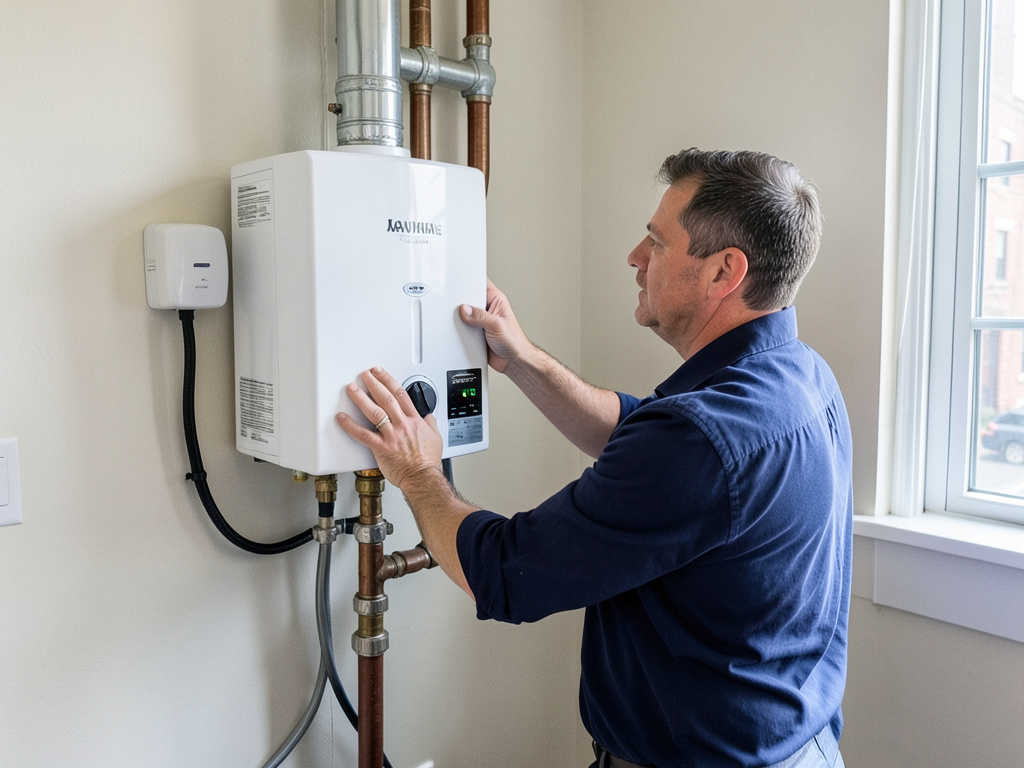
Choosing the Best Tankless Water Heater for Your Small Washington DC Condo
Living in a Washington DC condo means every square foot counts. Tankless water heaters offer a smart solution for small spaces while delivering endless hot water and energy savings. The right unit depends on your condo’s size, water usage patterns, and local building requirements. DC Department of Buildings.
DC’s unique housing stock presents specific challenges. Many condos in neighborhoods like Capitol Hill and Dupont Circle occupy historic buildings with limited utility space. Others in newer developments near the Navy Yard or NoMa have different venting and gas line constraints. Understanding these factors helps you choose a system that works perfectly for your home.. Read more about The Most Reliable Plumbers Near Dupont Circle for Quick Home Repairs.
Why DC Condos Benefit from Tankless Technology
Space constraints make tankless units ideal for DC living. A traditional 40-gallon tank can take up 16-20 square feet of valuable floor space. Tankless systems mount on walls and free up that space for storage or living area. In a 600-square-foot condo, that space matters.
Energy efficiency translates to real savings in DC’s climate. Tankless heaters eliminate standby heat loss from keeping 40-50 gallons hot 24/7. For a typical two-person condo household, this can reduce water heating costs by 24-34 percent annually. With DC’s electricity rates averaging 13.5 cents per kilowatt-hour, savings add up quickly.. Read more about How We Find and Fix Hidden Water Leaks in Logan Circle Condos.
DC Water’s high mineral content affects water heater longevity. The city’s water contains moderate hardness levels around 100-150 parts per million. Tankless units handle mineral buildup better than traditional tanks through their flow-through design. Regular descaling every 12-18 months maintains efficiency and prevents premature failure.
Understanding DC’s Building Code Requirements
The District of Columbia Plumbing Code follows the 2018 International Plumbing Code with local amendments. For tankless installations, key requirements include proper venting, gas line sizing, and condensate disposal. Condensing units produce acidic condensate that must drain to an approved receptor or neutralization system.
Gas line sizing proves critical for tankless performance. A typical 199,000 BTU tankless unit needs a 3/4-inch gas line minimum. Many DC condos built before 1980 have 1/2-inch gas lines that cannot support the load. Our technicians use a manometer to test existing gas pressure before recommending any unit.. Read more about Safely Installing New Gas Lines for Your DC Kitchen Remodel.
Venting requirements differ between condensing and non-condensing models. Condensing units use PVC venting with specific termination clearances. Non-condensing units require stainless steel venting and higher clearances to combustible materials. The DC Department of Buildings requires permits for all gas appliance installations, including tankless water heaters. EPA WaterSense.
Calculating Your Hot Water Needs
Gallons per minute (GPM) determines the right unit size. A small condo with one bathroom needs 3.5-4.5 GPM for simultaneous shower and faucet use. Two-bathroom units require 5-7 GPM. Calculate your peak demand by adding fixtures that might run simultaneously.
DC’s cold water temperature affects performance. Incoming water averages 45-50 degrees Fahrenheit in winter. This means a tankless unit must raise water temperature by 70-75 degrees for a comfortable 120-degree shower. This temperature rise directly impacts the unit’s GPM rating.
Temperature rise formula: GPM = BTU input ÷ (temperature rise × 500). A 199,000 BTU unit heating water from 50 to 120 degrees delivers about 5.5 GPM. Understanding this calculation helps avoid undersized units that leave you with cold showers during peak usage.
Top Tankless Brands for DC Condos
Navien condensing units excel in DC’s climate. Their stainless steel heat exchangers resist mineral buildup from DC water. The NPE series offers 0.95 energy factor ratings, the highest efficiency available. Installation requires 3-inch PVC venting and proper condensate drainage.
Rinnai’s RU series provides reliable performance with simpler installation. These units work well in condos with limited utility space. The RU199iN delivers 11 GPM at 35-degree rise, enough for most two-bathroom condos. Rinnai offers 12-year heat exchanger warranties when installed by certified technicians.
Rheem’s Performance Platinum series balances cost and efficiency. The 18L model provides 8.4 GPM at 35-degree rise, suitable for small to medium condos. These units feature digital temperature controls and leak detection technology. They work with standard 1/2-inch gas lines, avoiding expensive gas line upgrades.
Installation Process and Timeline
Professional installation takes 4-8 hours depending on complexity. The process begins with removing the old unit and assessing existing connections. Gas line modifications, if needed, require licensed plumbers with Washington Gas certification. Electrical connections must meet National Electrical Code Article 424 requirements for fixed electric space heating.
Permit acquisition through the DC Department of Buildings takes 2-3 business days. Our team handles all permitting, ensuring compliance with local codes. The inspection process verifies proper venting, gas line sizing, and condensate disposal. Most installations pass inspection on the first attempt due to our thorough preparation.
Condensate neutralization prevents acidic water from damaging plumbing systems. We install neutralization kits that raise pH from 3.5-4.0 to 6.0-7.0 before discharge. This protects your condo’s plumbing and meets DC Water Authority requirements for commercial and multi-family buildings.
Cost Considerations and ROI
Unit costs range from $800 to $2,500 depending on size and features. Installation adds $1,200 to $2,500 for typical condo applications. Total investment ranges from $2,000 to $5,000. Condensing units cost more upfront but deliver 25-30 percent energy savings compared to non-condensing models.
Energy savings calculations: A family of two using 40 gallons daily at $0.135 per kWh saves approximately $180-220 annually with a high-efficiency unit. The payback period ranges from 8-12 years, but the 20+ year lifespan means years of pure savings afterward.
DC offers various incentives for energy-efficient upgrades. The DC Sustainable Energy Utility provides rebates for qualifying high-efficiency water heaters. Federal tax credits may apply to Energy Star certified units. These incentives can reduce your net investment by $300-500.
Maintenance Requirements
Tankless units need annual maintenance to maintain efficiency. The process includes descaling the heat exchanger, cleaning the inlet filter, and checking venting integrity. DC’s hard water means more frequent descaling may be necessary. Signs of needed maintenance include reduced hot water temperature and longer wait times.
DIY maintenance includes cleaning the air intake filter monthly and checking for error codes. Professional maintenance involves using a descaling pump with food-grade citric acid solution. The process takes 60-90 minutes and restores the unit to near-new efficiency.
Common issues include mineral buildup, ignition failure, and venting blockages. Most problems stem from poor installation or skipped maintenance. Our maintenance plans include annual service calls, priority scheduling, and 15 percent discounts on repairs.
Condo Association Considerations
Before installation, review your condo association’s architectural guidelines. Some buildings require specific venting routes or prohibit exterior wall penetrations. Historic districts like Georgetown have additional restrictions on visible modifications. Our team has experience navigating these requirements throughout DC.
Utility room access affects installation complexity. Some condos have locked utility closets requiring coordination with building management. Others have limited space that requires creative mounting solutions. We provide detailed installation plans for association approval when required.
Insurance implications vary by building. Some associations require licensed contractors and permits for any plumbing modifications. Others need documentation of proper venting and condensate disposal. We provide all necessary documentation to satisfy insurance requirements.
Frequently Asked Questions
Can I install a tankless water heater in my DC condo myself?
No. DC law requires licensed plumbers for gas appliance installations. Improper installation creates safety hazards and violates building codes. Professional installation ensures proper venting, gas line sizing, and condensate disposal.
How long do tankless water heaters last in DC’s climate?
Quality tankless units last 20-25 years with proper maintenance. DC’s moderate climate and water quality support this lifespan. Regular descaling every 12-18 months prevents premature failure from mineral buildup.
Will a tankless unit provide enough hot water for my family?
Proper sizing ensures adequate hot water. Calculate your peak GPM needs by adding simultaneous fixtures. A typical two-person household needs 3.5-4.5 GPM. Our sizing consultation prevents undersized units that cause cold showers.
What permits are required for tankless water heater installation in DC?
DC requires plumbing permits for all gas water heater installations. The permit process includes plan review and final inspection. Our team handles all permitting and ensures compliance with local codes.
Ready to Upgrade Your DC Condo?
Choosing the right tankless water heater transforms your condo living experience. You gain endless hot water, free up valuable space, and reduce energy costs. The key is professional sizing, proper installation, and understanding your condo’s specific requirements.
Our DC-certified plumbers have installed hundreds of tankless systems throughout the District. We understand the unique challenges of condo living, from historic building restrictions to modern high-rise requirements. We handle everything from initial consultation through final inspection.
Don’t wait for your old water heater to fail. Call (771) 223-8111 today to schedule your free consultation. We’ll assess your needs, explain your options, and provide a detailed quote with no hidden fees. Your perfect tankless solution is just a phone call away.
Pick up the phone and call (771) 223-8111 before the next cold shower leaves you shivering. Our team is ready to help you make the switch to efficient, space-saving hot water today.
{
“@context”: “https://schema.org”,
“@type”: “BlogPosting”,
“headline”: “Choosing the Best Tankless Water Heater for Your Small Washington DC Condo”,
“description”: “Find the perfect tankless water heater for your DC condo. Learn about space-saving options, local code compliance, and expert installation from certified plumbers.”,
“wordCount”: 1487,
“datePublished”: “2026-02-14T15:20:00.000Z”,
“dateModified”: “2026-02-14T15:20:00.000Z”,
“inLanguage”: “en-US”,
“mainEntityOfPage”: {
“@type”: “WebPage”,
“@id”: “https://crestlineplumbingwashingtondc.com”
},
“publisher”: {
“@type”: “LocalBusiness”,
“name”: “Crestline Plumbing Washington DC”,
“url”: “https://crestlineplumbingwashingtondc.com”
},
“author”: {
“@type”: “Organization”,
“name”: “Crestline Plumbing Washington DC”,
“url”: “https://crestlineplumbingwashingtondc.com”
},
“image”: {
“@type”: “ImageObject”,
“url”: “https://crestlineplumbingwashingtondc.com/wp-content/uploads/2026/03/choosing-the-best-tankless-water-heater-for-your-s-1.png”
}
}
{
“@context”: “https://schema.org”,
“@type”: “Plumber”,
“name”: “Crestline Plumbing Washington DC”,
“url”: “https://crestlineplumbingwashingtondc.com”,
“address”: {
“@type”: “PostalAddress”,
“addressLocality”: “Washington DC”
},
“areaServed”: {
“@type”: “City”,
“name”: “Washington DC”
}
}
{
“@context”: “https://schema.org”,
“@type”: “FAQPage”,
“mainEntity”: [
{
“@type”: “Question”,
“name”: “Can I install a tankless water heater in my DC condo myself?”,
“acceptedAnswer”: {
“@type”: “Answer”,
“text”: “No. DC law requires licensed plumbers for gas appliance installations. Improper installation creates safety hazards and violates building codes. Professional installation ensures proper venting, gas line sizing, and condensate disposal.”
}
},
{
“@type”: “Question”,
“name”: “How long do tankless water heaters last in DC’s climate?”,
“acceptedAnswer”: {
“@type”: “Answer”,
“text”: “Quality tankless units last 20-25 years with proper maintenance. DC’s moderate climate and water quality support this lifespan. Regular descaling every 12-18 months prevents premature failure from mineral buildup.”
}
},
{
“@type”: “Question”,
“name”: “Will a tankless unit provide enough hot water for my family?”,
“acceptedAnswer”: {
“@type”: “Answer”,
“text”: “Proper sizing ensures adequate hot water. Calculate your peak GPM needs by adding simultaneous fixtures. A typical two-person household needs 3.5-4.5 GPM. Our sizing consultation prevents undersized units that cause cold showers.”
}
},
{
“@type”: “Question”,
“name”: “What permits are required for tankless water heater installation in DC?”,
“acceptedAnswer”: {
“@type”: “Answer”,
“text”: “DC requires plumbing permits for all gas water heater installations. The permit process includes plan review and final inspection. Our team handles all permitting and ensures compliance with local codes.”
}
},
{
“@type”: “Question”,
“name”: “Ready to Upgrade Your DC Condo?”,
“acceptedAnswer”: {
“@type”: “Answer”,
“text”: “Choosing the right tankless water heater transforms your condo living experience. You gain endless hot water, free up valuable space, and reduce energy costs. The key is professional sizing, proper installation, and understanding your condo’s specific requirements.”
}
}
]
}
{
“@context”: “https://schema.org”,
“@type”: “BreadcrumbList”,
“itemListElement”: [
{
“@type”: “ListItem”,
“position”: 1,
“name”: “Home”,
“item”: “https://crestlineplumbingwashingtondc.com”
},
{
“@type”: “ListItem”,
“position”: 2,
“name”: “Blog”,
“item”: “https://crestlineplumbingwashingtondc.com/blog”
},
{
“@type”: “ListItem”,
“position”: 3,
“name”: “Choosing the Best Tankless Water Heater for Your Small Washington DC Condo”
}
]
}
{
“@context”: “https://schema.org”,
“@type”: “Service”,
“serviceType”: “Plumbing”,
“provider”: {
“@type”: “LocalBusiness”,
“name”: “Crestline Plumbing Washington DC”,
“url”: “https://crestlineplumbingwashingtondc.com”
},
“areaServed”: {
“@type”: “City”,
“name”: “Washington DC”
},
“description”: “Find the perfect tankless water heater for your DC condo. Learn about space-saving options, local code compliance, and expert installation from certified plumbers.”
}